Finding the "best" US bag manufacturer is confusing. You waste time on wrong fits, risking your budget and quality. Let's clarify the market and find your perfect match.
There is no single "best" bag manufacturer in the USA. The right choice depends on your product type, like promotional totes or fashion handbags, and order size. American manufacturers are ideal for premium quality, small-to-medium batches, and quick turnarounds, while large-scale production often goes overseas.
It's a question I get asked a lot as a manufacturer myself. Everyone wants a simple answer, a single name to call. But the reality of manufacturing, especially in the US, is much more nuanced and complex than that. Your "best" partner might be completely wrong for another company. To really find the 'best' partner for your business, we first need to understand the different types of players in the American bag manufacturing landscape. Let's dive in and see what makes the most sense for you.
What are the main types of bag manufacturers in the USA?
You might think "bag manufacturer" is just one category. But you could be contacting fashion specialists for bulk promo bags, causing mismatched quotes and total confusion. Let's segment the industry to target your search.
US bag manufacturers generally fall into three types: promotional (for custom totes), fashion (for high-end designer bags), and industrial (for functional packaging). Each has unique materials, capabilities, and target clients. Knowing the difference is key to finding the right partner.
Understanding these categories saves you from wasting valuable time. When I first started in this business, I saw buyers sending requests for 100,000 insulated food bags to a small leather workshop. It just doesn't work. Let's break down who does what so you can target your inquiries effectively.
1. Promotional & Custom Tote Bag Manufacturers
These companies are the go-to for branding. They specialize in putting your logo on bags for events, trade shows, and corporate giveaways. Their strength lies in printing and handling small to medium-sized orders efficiently. You'll find they primarily work with materials like non-woven fabric, cotton, and canvas. They are perfect for a marketing campaign but might not be equipped for complex structural designs or massive, low-cost orders.
2. Fashion Handbag Manufacturers
This segment is driven by design and high quality. They produce smaller batches of high-value bags for designer brands and boutiques. Their expertise is in working with premium materials like genuine leather, suede, and unique textiles. These manufacturers are artists and engineers combined, focusing on craftsmanship, stitching detail, and exclusivity. They are not the right fit if you need 50,000 simple tote bags for a promotion.
3. Industrial & Packaging Bag Manufacturers
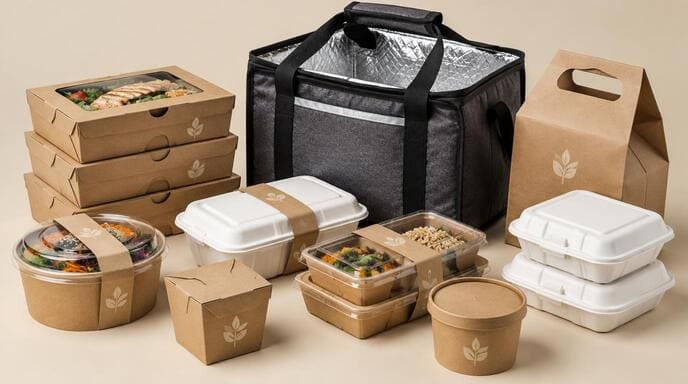
Function over fashion is the motto here. These manufacturers produce bags designed for a specific purpose, such as heavy-duty logistics, insulated food delivery, or medical transport. They focus on durability, waterproofing, insulation, and meeting strict testing standards. Their expertise is in structural engineering and using technical materials to solve a problem.
| Manufacturer Type | Primary Focus | Common Materials | Ideal For |
|---|---|---|---|
| Promotional & Tote | Branding, Events | Non-woven, Cotton | Corporate gifts, trade shows |
| Fashion Handbag | Design, Exclusivity | Leather, Premium Fabrics | Designer brands, boutiques |
| Industrial & Packaging | Functionality, Durability | Polyester, Insulated foil | Logistics, food delivery, heavy-duty use |
Who are some leading bag manufacturers in the USA?
You see names online, but you don't know who is a real factory. You risk dealing with middlemen who add costs and lack production control. Let’s look at actual US manufacturers.
Key US manufacturers include Bag Makers Inc., known for promotional bags, and Unionwear, which focuses on "Made in USA" certified industrial bags. However, many suppliers are distributors, not pure factories. Understanding this distinction is crucial for managing costs and supply chain control.
Finding a true factory is harder than it seems. The US supply chain is filled with excellent distributors and promotional product companies that add a lot of value. But if you need direct-from-factory pricing and control, you have to know who you're talking to. Here are a few examples to illustrate the different types of businesses you'll encounter.
Bag Makers Inc.
This is a classic example of a promotional bag manufacturer. Based in Illinois, they focus almost entirely on producing custom-printed bags for the advertising and promotional products industry. Their strengths are reliable US-based production and high-quality printing, making them a solid choice for brand events or large corporate projects where a "Made in USA" claim is a plus. However, their focus comes with limitations. Their costs will be higher than an overseas alternative, and they aren't structured for extremely large, low-price orders that mass retailers might need.
Unionwear
Based in New Jersey, Unionwear represents a different niche. They are known for producing union-made, "Made in USA" certified products, including hats and bags. This makes them a top choice for political campaigns, government contracts, and brands that prioritize domestic, unionized labor. Their strengths are compliance and consistent delivery. The trade-off is that their product line tends to be more industrial and basic. You won't find cutting-edge fashion designs here, as their focus is on durability and compliance rather than style flexibility.
Other Common US Bag Supply Ecosystem
It's important to recognize that many companies you find are not pure manufacturers. Many are promotional product suppliers who source bags from various places (including overseas) and then print or finish them locally. This hybrid model offers benefits like a huge variety of products (SKUs) and fast delivery on standard items. However, you are working with an integrator, not the original factory. This can impact deep customization, scalability, and of course, price. As a factory owner myself, I know the difference in control and capability is significant.
How can you evaluate the “best” bag manufacturer for your needs?
You're getting quotes, but they are hard to compare. You might focus only on price, overlooking critical factors that will affect your final product and delivery. Let's create a clear evaluation checklist.
Evaluate a manufacturer on key criteria: production capability (capacity vs. craft), material expertise, customization level, and compliance (like Prop 65). Also, consider their cost structure and lead times. A holistic view ensures you find a partner that truly fits your business goals.
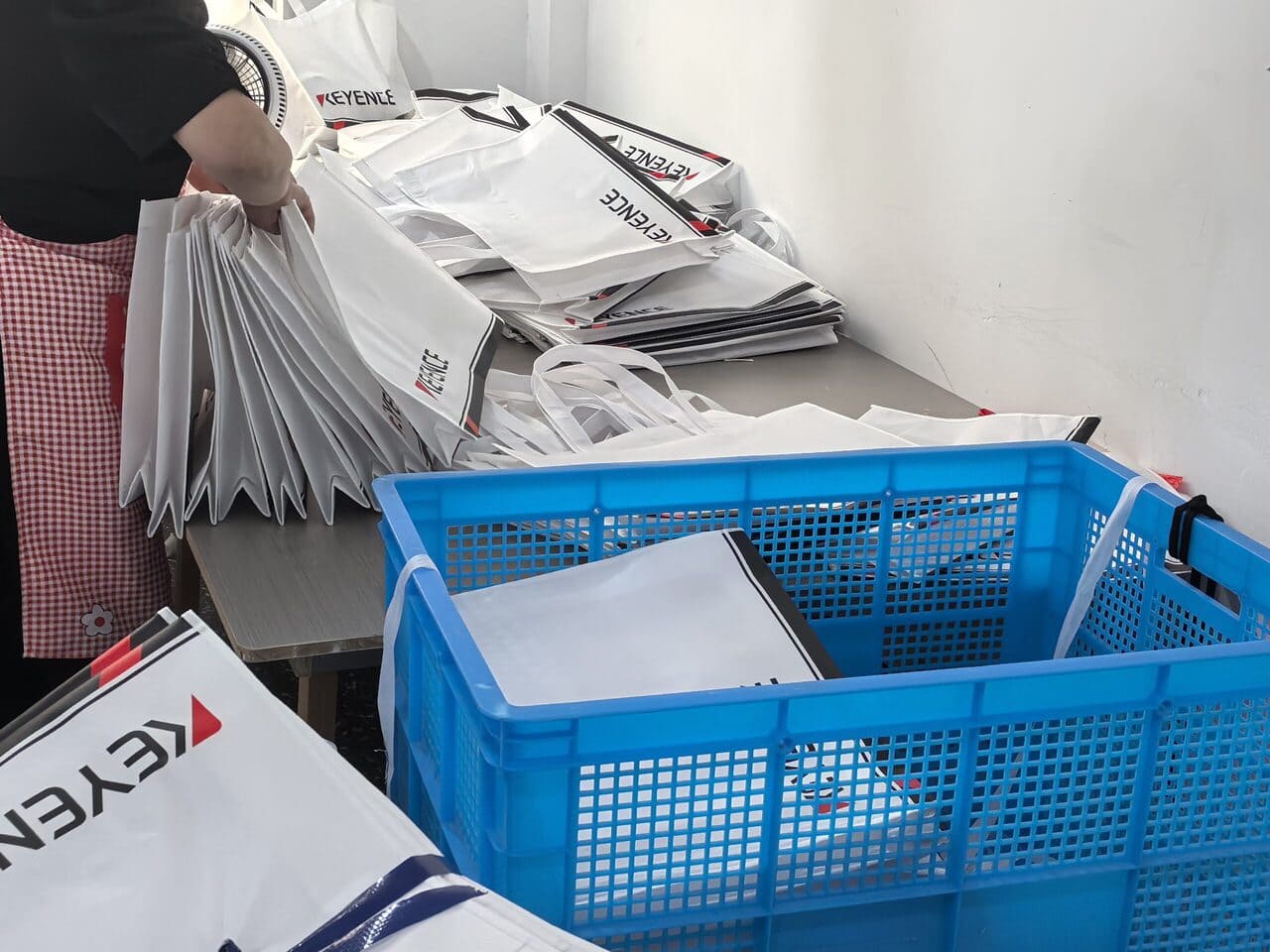
I've seen clients make decisions based on a few cents per bag, only to face disaster with quality or delivery. A true partner needs to be evaluated on more than just the bottom-line price. Your brand's reputation is on the line. I always advise buyers to use a scorecard approach. Look at their production power, their knowledge of materials, and how well they can customize. Check their certifications—this isn't just a piece of paper; it's proof of their commitment to quality and safety. Finally, analyze their cost against their lead time to see if it aligns with your market launch plan. This structured approach helps you compare apples to apples and choose a partner for long-term success.
| Evaluation Criterion | What to Ask the Manufacturer | Why It Matters |
|---|---|---|
| Production Capability | "What is your monthly capacity for this specific bag type?" | Ensures they can handle your order volume and scale with your business growth. |
| Material Expertise | "Can you work with laminated non-woven plus insulation foam?" | Guarantees they have the technical skill for your bag's quality and function. |
| Customization Level | "What are the limitations on size, color, GSM, and closure options?" | Determines if they can bring your unique design vision to life or if you're stuck with stock options. |
| Compliance & Certification | "Are you compliant with Prop 65 for California, and do you hold an ISO 9001 certificate?" | Protects your brand from legal issues and ensures a baseline for quality control. |
| Cost & Lead Time | "What is your unit price for 50,000 units, and what is the production lead time?" | Balances your budget with your go-to-market timeline. |
Should you choose a USA or overseas bag manufacturer?
Deciding between US and overseas manufacturing is a major headache. You hear conflicting advice about cost versus quality, leaving you feeling uncertain. Let’s break down the real pros and cons.
US manufacturers offer fast lead times, lower MOQs, and "Made in USA" branding but at a higher cost. Overseas manufacturers, like us at Jiarong, provide significant cost savings, massive scalability, and vast customization options, but with longer lead times.
This is the big question every sourcing manager has to answer. There is no universally "correct" choice; there is only the right choice for your specific situation. In my experience running a large-scale manufacturing operation, I've seen brands use both strategies effectively. A US manufacturer is fantastic for a quick-turn, premium-branded project. But when a brand needs to produce a million bags for a nationwide retail launch, the economics and production capacity almost always point overseas. The key is to be honest about your priorities. Are you optimizing for speed and local branding, or for cost and scale? The table below gives a practical comparison based on what I see every day.
| Factor | USA Manufacturers | Overseas Manufacturers (like Jiarong) |
|---|---|---|
| Cost | High | Lower |
| MOQ | Low–Medium | Medium–High |
| Lead Time | Fast (3-6 weeks) | Slower (8-12 weeks, incl. shipping) |
| Customization | High | Very High |
| Scalability | Limited | Strong |
The scalability point is critical. A US factory might struggle to go from 50,000 to 500,000 units without major investment. For an operation like ours, that's a standard scale-up. We have 45 automated bag machines and a daily capacity of 4 million bags, so we are built for that kind of growth.
Where can you find reliable bag manufacturers in the USA?
You're searching Google but finding endless lists of distributors, not factories. This wastes hours of vetting and outreach. I'll show you where to find actual manufacturers.
Find reliable US bag manufacturers on industrial B2B platforms like Thomasnet and Maker’s Row. Attending trade shows such as ASD Market Week and PACK EXPO is also effective. For direct outreach, use targeted searches on LinkedIn and Google with specific keywords.
You have to know where to look. Just typing "bag manufacturer" into Google is too broad. You need to use the same tools that professional buyers use to cut through the noise and find real manufacturing partners. I've found success for my clients by pointing them to a few key resources.
1. B2B Platforms
These are directories built for industrial sourcing. Thomasnet is the old-school king of American industrial suppliers. It's a fantastic resource for finding factories that make everything, including industrial and promotional bags. For fashion and apparel-adjacent bags, Maker's Row is more focused and can connect you with smaller, craft-oriented producers.
2. Trade Shows
Never underestimate the power of a handshake. Shows like ASD Market Week, NY NOW (for gift and lifestyle), and PACK EXPO (for packaging) are where manufacturers showcase their capabilities. You can touch the materials, see the quality firsthand, and talk directly to the people who would be making your product.
3. LinkedIn & Direct Factory Outreach
This is a more hands-on approach. Use LinkedIn's search to find people with titles like "Production Manager" or "Owner" at bag manufacturing companies. When using Google, get specific with your search terms. Use keyword combinations like:
"Made in USA tote bag manufacturer""custom canvas bag factory USA wholesale""promotional non-woven bag factory California"
This strategy helps filter out the distributors and gets you closer to the source.
What is the best sourcing strategy for B2B bag buyers?
You're not sure how to structure your supply chain. Should you go all-in with one supplier, or should you diversify? This uncertainty creates risk. Let's outline a smart, flexible strategy.
A smart sourcing strategy is hybrid. Use a USA manufacturer for small test orders and fast turnarounds. For medium to large-scale, stable orders, partner with a proven overseas manufacturer like us for cost and scalability. This gives you the best of both worlds.
A single-source strategy is risky. I always recommend a more balanced approach, especially for growing brands. Don't put all your eggs in one basket. By leveraging different types of manufacturers for different needs, you build a resilient and efficient supply chain. Here’s a practical breakdown of how that looks.
For your initial launch or a small test run of a new design, use a USA manufacturer. The higher unit cost is worth it for the speed. You can get a few thousand bags made in weeks, test them in the market, and gather feedback quickly. This minimizes your upfront risk.
Once your product is proven and you need to scale up for a larger market, it's time to bring in an overseas OEM partner like Jiarong. For orders of 50,000 to 5 million units, the cost savings are impossible to ignore. This is how you achieve healthy profit margins for retail. You can use your US partner for quick-fill orders or special projects while we handle the bulk production.
For large, established brands, the best model is often long-term stable supply from an overseas factory combined with a US-based distribution center. This is the most efficient model, giving you the lowest production cost and fast delivery to your end customers from a domestic warehouse. It's the strategy global brands use to dominate the market.
Do you have more questions about US bag manufacturing?
You still have some lingering questions. Misinformation can lead to costly mistakes. Let's quickly answer some of the most common questions I hear from buyers like you.
Yes, US manufacturers are generally more expensive due to labor and compliance costs. They can do custom designs, but often with higher MOQs or tooling fees. "Made in USA" is not automatically better; its value depends entirely on your brand strategy.
These are the questions that come up in almost every conversation I have with a new buyer who is weighing their options. Getting clear answers is essential before you commit to a production partner.
Are bag manufacturers in the USA expensive?
Yes, and it's important to understand why. Labor costs in the USA are significantly higher than in manufacturing hubs in Asia. Additionally, US factories operate under strict environmental and workplace safety regulations. While these are good things, they add to the overhead costs, which is reflected in the final unit price. A simple non-woven tote that might cost us $0.50 to produce at scale could easily be $2.00 or more from a US manufacturer. You are paying a premium for domestic labor, compliance, and faster shipping.
Can USA manufacturers do custom designs?
Absolutely. Many US factories excel at custom work. However, the process can be different from large overseas operations. For a completely new design, you will likely have to pay for tooling costs—the custom molds or dies needed to create your unique bag shape. Because their operations are often smaller, their Minimum Order Quantity (MOQ) for a fully custom project might be higher than you expect to justify the setup costs. In our factory, we have an entire department dedicated to creating new molds, so we can often absorb these costs into larger orders, offering greater flexibility.
Is “Made in USA” always better?
Not necessarily. "Better" depends entirely on your business goals. For a premium brand that uses American heritage as a key selling point, the "Made in USA" label is invaluable and absolutely "better" for them. But if you are a fast-food chain needing a million promotional bags for a giveaway, "better" means cost-effective, scalable, and reliable production. In that case, a global manufacturing partner who can deliver huge volumes on time and on budget is the superior choice. The label's value is determined by your customer, not by a universal standard of quality.
Conclusion
Finding the 'best' bag manufacturer isn't about one name. It's about matching your needs—category, volume, and brand—to the right partner, whether in the USA or with us overseas.