Skip to content
Are you overlooking a crucial element in your brand's presentation? Many businesses focus heavily on logo design for their wine bags, but the material itself plays a vital role. Choosing the wrong wine bag material can lead to flimsy handles, poor print quality, and a disconnect from your brand's premium image, ultimately impacting customer experience.
The most common wine bag materials include paper, non-woven polypropylene (PP), cotton/canvas, jute, polyester, and RPET recycled fabric. Each material offers distinct advantages in terms of appearance, durability, cost, printability, and sustainability, making the choice dependent on your specific needs and brand goals.
Understanding the nuances of these materials is key to selecting packaging that elevates your product and satisfies your customers. Let's dive into the details of each option to help you make an informed decision for your next batch of custom wine bags.
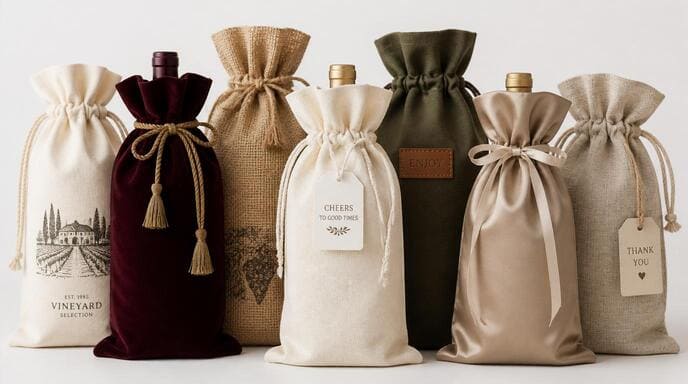
What Materials Are Wine Bags Typically Made Of?
Have you ever received a beautiful bottle of wine in a bag that felt cheap or flimsy? It’s a disappointing experience that detracts from the gift. The material of your wine bag significantly impacts its perceived value, strength, and overall presentation.
Wine bags are typically made from either paper-based materials or reusable fabric materials. Common paper options include kraft, coated, and art paper, while popular fabric choices encompass non-woven polypropylene (PP), cotton, canvas, jute, polyester, and recycled polyester (RPET).
Selecting the right wine bag material is more than just an aesthetic choice; it's a functional one that affects usability, durability, and cost. Let's explore the specifics of each.
Exploring Common Wine Bag Materials
The choice of material for your wine bags dictates everything from their feel to their functionality. Whether you're looking for a premium, eco-friendly, or budget-conscious option, there's a material suited for your needs.
- Paper: Offers a classic, often luxurious feel, ideal for single-use gifts and retail presentation. It provides an excellent surface for detailed printing.
- Non-Woven PP: A very popular, cost-effective, and reusable option. It's durable enough for everyday use and offers good moisture resistance.
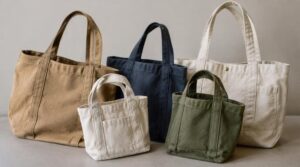
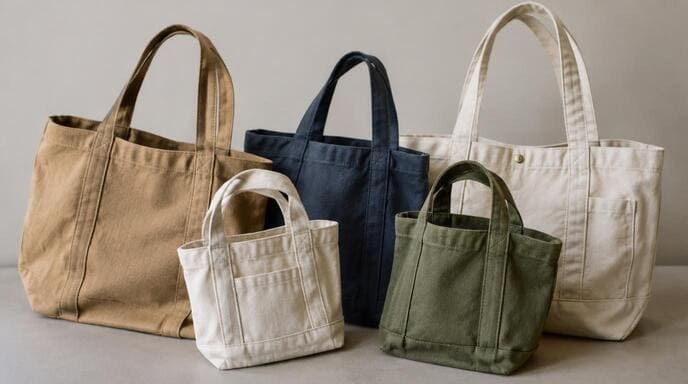
- Cotton/Canvas: These natural fibers provide a high-end, tactile experience. They are strong, durable, and convey an eco-conscious and premium image.
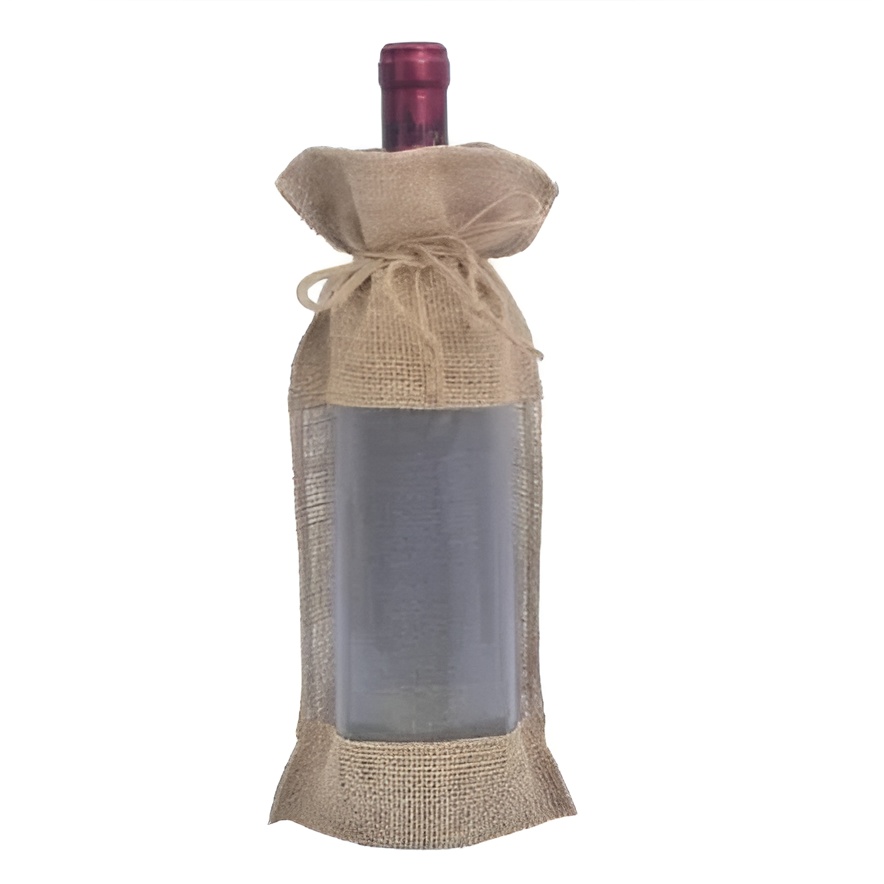
- Jute (Burlap): Known for its rustic, earthy appeal, jute is a highly sustainable and biodegradable choice, perfect for brands emphasizing natural origins.
- Polyester: A synthetic fabric that excels in strength, durability, and resistance to wear and tear. It's flexible and holds color well.
- RPET: Made from recycled plastic bottles, RPET offers a compelling sustainable choice that performs similarly to standard polyester while diverting waste from landfills.
Each of these wine bottle bag materials serves a different purpose and appeals to different brand identities. Understanding their unique properties is the first step in making the right selection for your custom wine bags.
Quick Summary: Wine bags are commonly made from paper or reusable fabrics like PP, cotton, canvas, jute, polyester, and RPET, each offering distinct benefits for branding, durability, and cost.
Paper Wine Bags: Classic Choice for Premium Packaging?
When I think of a truly special gift, the packaging often sets the tone. Paper wine bags, especially those made from quality materials, instantly communicate a sense of care and sophistication. They are my go-to for an elegant presentation.
Paper wine bags offer a classic and premium look, making them ideal for wine gifts and luxury retail. They provide an excellent surface for detailed printing and customization, though they tend to have lower water resistance and fewer reuse cycles compared to fabric alternatives.
If you're aiming for a refined aesthetic that enhances the perceived value of your wine, paper is a material worth serious consideration. Let's explore why.
What Are Paper Wine Bags Made From?
The foundation of a great paper wine bag lies in its paper type and thickness. Different papers offer varying textures, strengths, and print surfaces, allowing for a wide range of aesthetic and functional outcomes.
Common paper types used for wine bags include:
- Kraft Paper: Known for its natural brown color and inherent strength, it offers a rustic yet sturdy feel. It’s a popular choice for eco-conscious brands.
- Coated Paper: This paper has a smooth, often glossy or matte coating applied, which enhances print vibrancy and durability. It provides a more refined finish.
- Art Paper (Cardstock): Thicker and stiffer than coated paper, art paper offers a premium, substantial feel. It’s excellent for high-end packaging.
- Specialty Papers: This category includes textured papers, recycled papers with visible fibers, or papers with unique finishes, adding a distinct character.
The thickness of paper is typically measured in grams per square meter (GSM). The GSM directly correlates to the paper's weight, stiffness, and durability.
- 100–180 GSM: This range is suitable for lightweight retail bags, good for single bottles where durability is less critical than presentation.
- 180–250 GSM: These thicker papers provide more rigidity and strength, making them excellent for wine gift bags that need to hold their shape and support a bottle securely.
- 250 GSM+: This very thick cardstock creates premium, rigid-style packaging that feels incredibly luxurious and offers excellent protection.
Advantages of Paper Wine Bags
Paper wine bags provide a canvas for creativity and professionalism that is hard to beat for certain applications. I've found that for gift sets or boutique retail, they really stand out.
Their advantages include:
- Premium Appearance: Paper inherently lends itself to a sophisticated and natural feel. The texture can range from smooth and glossy to subtly fibrous, enhancing the perceived quality of the wine.
- Excellent Printing Surface: Whether it's offset printing, flexographic printing, or intricate techniques like hot stamping, embossing, or UV coating, paper provides a smooth, receptive surface that makes logos and designs pop with clarity and color depth.
- Easy Customization: Beyond printing, paper bags offer versatile customization options for handles (rope, ribbon, twisted paper) and structural elements like window cutouts, allowing for unique and memorable packaging.
Limitations of Paper Wine Bags
While paper bags offer significant aesthetic benefits, they do have practical limitations, especially when compared to their fabric counterparts. I recall a client who wanted reusable paper bags for an event, but the constant exposure to moisture and handling led to rapid wear and tear.
- Lower Water Resistance: Standard paper is susceptible to moisture damage. While coatings can improve this, they are generally not as resistant to spills or damp conditions as fabric bags.
- Single-Use Tendency: Although some thicker paper bags can be reused, they are often perceived and treated as single-use items, particularly after being exposed to potential spills or wear.
- Handle Weakness: Even with reinforced handles, paper can degrade when wet, potentially leading to handle failure, especially with heavier bottles.
Paper wine bags are best suited for:
- Wineries looking for elegant gift packaging.
- Liquor stores wanting attractive retail bags.
- Premium event goodie bags.
- Special occasions where a one-time, high-impact presentation is key.
Quick Summary: Paper wine bags offer a premium look and excellent printability but are less water-resistant and reusable than fabric options, making them ideal for gifting and retail presentation.
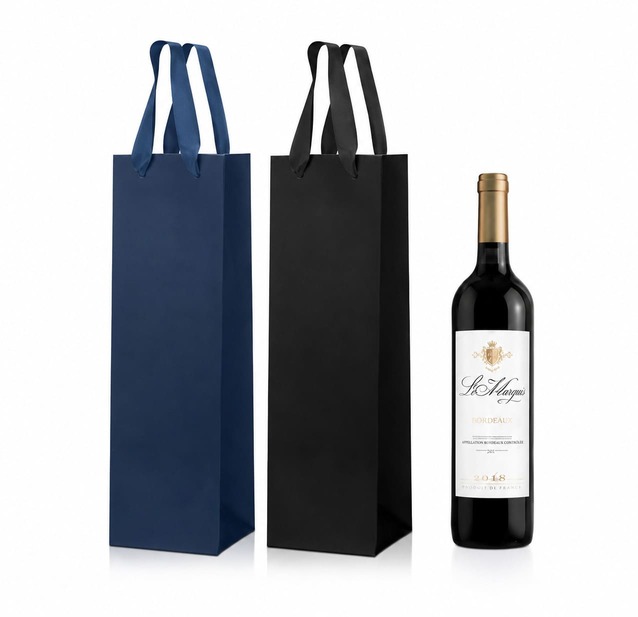
Non-Woven PP Wine Bags: Cost-Effective Reusable Option?
For many businesses, especially those needing to distribute large quantities of branded items, cost-effectiveness and reusability are paramount. This is where non-woven PP bags truly shine. I've seen them used effectively for everything from supermarket promotions to branded corporate gifts.
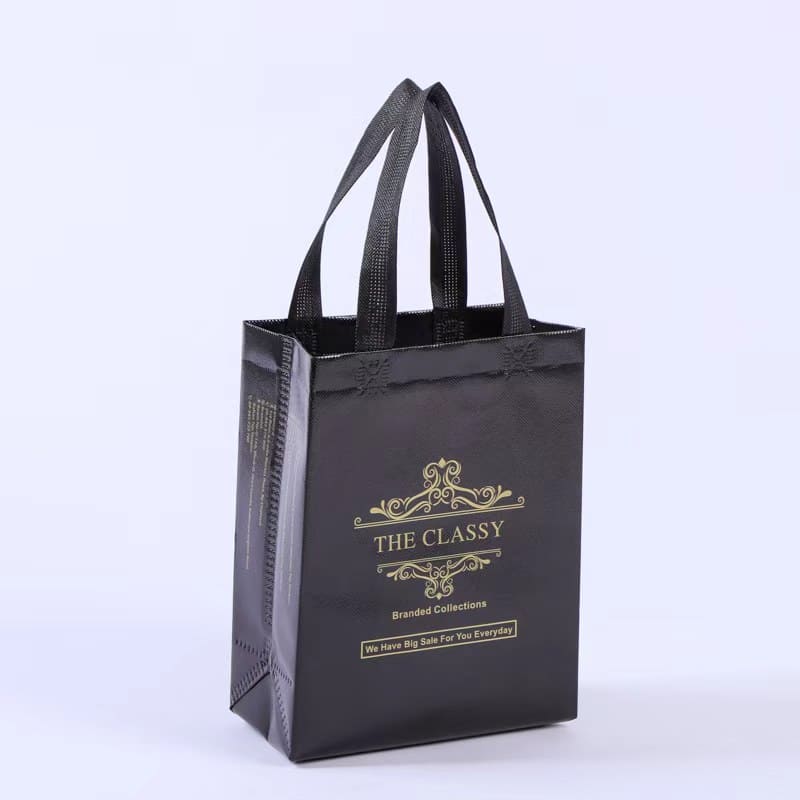
Non-woven PP wine bags are a highly cost-effective and reusable option, making them popular for promotional campaigns, supermarkets, and large-volume orders. They offer good durability and moisture resistance, with capabilities for vibrant printing, though they may lack the premium feel of natural materials.
If your goal is to get your brand out there with a practical, durable, and budget-friendly carrier, non-woven PP is often the most logical choice.
What Is Non-Woven PP Material?
Non-woven polypropylene (PP) is a type of fabric made from long plastic fibers that are bonded together using heat, pressure, or chemical treatments, rather than traditional weaving or knitting methods. This process gives it a unique texture and properties.
Key characteristics of non-woven PP include:
- Lightweight: It’s a very light material, which helps keep overall bag weight down.
- Affordable: The manufacturing process is relatively inexpensive, translating to lower costs for the end product.
- Reusable: It's durable enough for multiple uses, offering a better lifespan than single-use paper bags.
- Moisture Resistant: PP is inherently water-repellent, making these bags suitable for use in various weather conditions and offering protection against minor spills.
Common GSM for Wine Bags
The thickness, or GSM (grams per square meter), of non-woven PP significantly impacts its strength and perceived quality. A higher GSM generally indicates a thicker, more durable bag.
Typical GSM ranges for wine bags include:
- 70–90 GSM: These are lightweight promotional bags, suitable for carrying lighter items or for events where the primary goal is brand visibility.
- 100–120 GSM: This is a standard weight for reusable wine bags, offering a good balance of durability and cost for general use.
- 120–160 GSM: These stronger, premium non-woven bags can handle heavier loads and offer enhanced longevity, suitable for more demanding applications or higher-end promotional items.
Advantages of Non-Woven Wine Bags
The appeal of non-woven PP bags lies in their versatility and economic benefits. For large-scale projects, their cost-effectiveness is a huge draw.
- Cost Advantage: Non-woven PP is one of the most economical materials available for reusable bags. This makes it ideal for supermarkets, promotional campaigns, and large quantity orders where budget is a primary concern. My company, Zhejiang Jiarong Packaging, can produce millions of these daily, driving down costs through scale.
- Strong Custom Printing Capability: Non-woven PP can be enhanced with various printing and finishing techniques. Screen printing offers bold, vibrant colors, while heat transfer allows for detailed photographic images. Lamination printing (applying a film layer) further boosts durability and provides a glossy or matte finish, making graphics stand out.
- Reusable Performance: Compared to paper, non-woven PP bags offer significantly more reuse cycles. Their moisture resistance also makes them more practical for everyday use, protecting the contents better.
Limitations
Despite their advantages, non-woven PP bags are not without their drawbacks. Their synthetic nature means they may not always align with a brand's desire for a completely natural or high-end feel.
- Less Premium Feel: Compared to natural fibers like cotton or jute, non-woven PP can sometimes feel less luxurious or artisanal.
- Synthetic Appearance: The texture is distinctly synthetic, which might not suit brands aiming for an organic or artisanal image.
- Environmental Perception Varies: While reusable, PP is a plastic and not biodegradable. Its environmental perception can vary depending on marketing and consumer awareness.
Quick Summary: Non-woven PP wine bags are an economical and reusable choice, great for promotions and large orders, offering good printability and moisture resistance, though they lack the premium feel of natural materials.
Cotton and Canvas Wine Bags: Premium Natural Material Choice?
When I want to convey true quality and a sense of enduring value, I always lean towards natural fibers. Cotton and canvas wine bags feel substantial, soft, and carry an inherent eco-friendly message that resonates deeply with discerning customers.
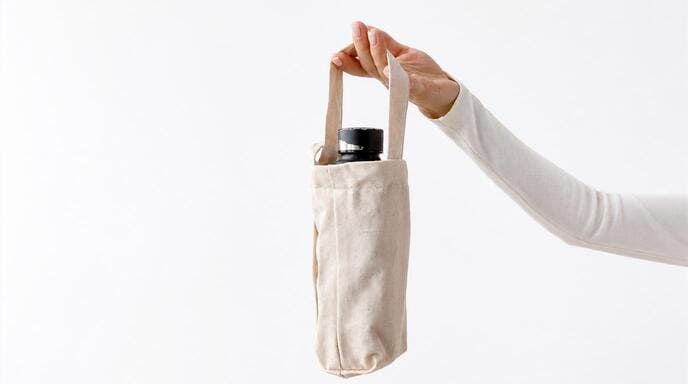
Cotton and canvas wine bags represent a premium natural material choice, offering an eco-friendly image, soft texture, and a high-end gifting experience. They are durable, reusable for years, and suitable for wineries, luxury brands, and corporate gifts, often utilizing printing methods like screen printing or embroidery.
These materials transform a simple wine bag into a statement piece, reflecting thoughtful consideration for both the product and the recipient.
Cotton vs Canvas
While both cotton and canvas are derived from the cotton plant, they differ significantly in weave, thickness, and durability, influencing their application and perceived value.
| Feature | Cotton | Canvas |
|---|---|---|
| Texture | Soft, smooth, comfortable to touch | Stronger, slightly rougher, textured weave |
| Thickness | Medium | Heavy-duty, robust |
| Appearance | Natural, comfortable, relaxed | Premium, artisanal, strong |
| Durability | Good, suitable for regular use | Excellent, built for heavy use and longevity |
Why Brands Choose Cotton Wine Bags
The decision to opt for cotton or canvas often stems from a desire to align the packaging with brand values of quality, sustainability, and luxury.
- Eco-Friendly Image: Cotton is a natural, renewable resource. While its cultivation can be water-intensive, organic cotton options enhance the eco-friendly appeal significantly. Canvas, being a heavier cotton weave, also benefits from this natural perception.
- Soft Texture and Premium Gifting Experience: The tactile feel of cotton and canvas is superior to synthetic materials. This softness contributes to a luxurious unboxing experience, making the wine feel even more special.
- Reusable for Years: These bags are built to last. They can be used repeatedly for carrying wine, groceries, or other items, offering excellent long-term value and reducing waste. This aligns perfectly with a brand's commitment to sustainability.
These materials are particularly suitable for:
- Wineries showcasing their premium vintages.
- Luxury brands looking for packaging that matches their product's status.
- Corporate gifting where perceived value and quality are paramount.
Printing Methods
The natural fiber surface of cotton and canvas requires specific printing techniques to achieve optimal results.
- Screen Printing: This is a popular method for cotton and canvas, allowing for vibrant, opaque inks that sit on the fabric's surface, creating bold designs.
- Embroidery: For a truly premium and tactile finish, embroidery adds dimension and a sophisticated look, often used for logos on higher-end bags.
- Heat Transfer: This method can be used to apply detailed or photographic images, though the ink or transfer paper adheres to the fabric's surface.
It's important to note that cotton's natural fiber surface means printed appearances can differ from those on synthetic fabrics. The ink might absorb slightly or appear less sharp, contributing to a more organic look.
Quick Summary: Cotton and canvas wine bags offer a premium, natural, and eco-friendly choice with excellent durability and a luxurious feel, ideal for high-end gifting and branding.
Jute Wine Bags: Rustic and Eco-Friendly Packaging?
For brands that want to communicate a deep connection to nature, organic origins, or artisanal craftsmanship, jute is an unparalleled choice. Its distinctive texture and earthy tones instantly evoke a sense of authenticity and sustainability.
Jute wine bags offer a rustic, biodegradable, and natural appearance, making them an excellent choice for eco-focused brands and products emphasizing organic or handmade qualities. While their texture is rough and printing options are more limited, their strength and environmental credentials are a significant advantage.
These bags are perfect for conveying a grounded, natural brand story.
Jute Characteristics and Advantages
Jute, often referred to as "the golden fiber," is a natural plant fiber known for its coarse texture, golden-brown color, and remarkable strength. It's one of the most affordable natural fibers, second only to cotton.
Advantages of using jute for wine bags include:
- Biodegradable: As a natural plant fiber, jute is fully biodegradable, breaking down naturally without harming the environment. This is a huge plus for sustainability-focused brands.
- Natural Appearance: The unique, rough texture and earthy hue of jute bags provide an authentic, rustic aesthetic that is highly sought after by certain markets.
- Strong Structure: Despite its natural origin, jute fibers are incredibly strong, making jute bags durable and capable of carrying heavier items, including wine bottles.
Applications and Limitations
Jute bags are ideally suited for brands that want to highlight their commitment to natural, organic, or handmade products.
- Applications: They are commonly used by organic wineries, farm-to-table brands, artisanal producers, and companies selling handmade crafts. They also make excellent promotional items for businesses that value sustainability.
- Limitations: The rough texture, while appealing for some aesthetics, can make fine detail printing challenging. Designs might appear less crisp than on smoother materials. Jute also tends to absorb moisture easily and can be less comfortable to handle for extended periods compared to softer fabrics.
While jute excels in sustainability and rustic charm, it's essential to consider these limitations when designing your custom wine bags.
Quick Summary: Jute wine bags provide a biodegradable, rustic, and strong packaging solution, perfect for eco-conscious brands, though their rough texture limits fine printing options.
Polyester Wine Bags: Durable and Flexible Material?
When durability and resilience are non-negotiable, polyester often comes to the forefront. I've encountered polyester bags that have withstood years of heavy use, looking almost as good as new. This makes them a reliable choice for frequent travelers or busy retailers.
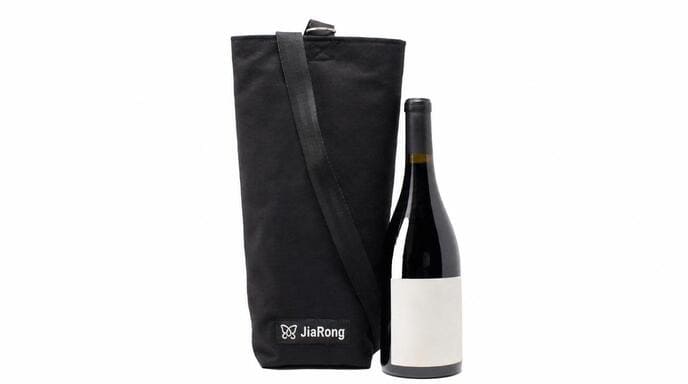
Polyester wine bags are known for their high strength, excellent abrasion resistance, and color stability, making them a durable and flexible material option. Common fabrics like 210D, 300D, and 600D Oxford polyester offer robust performance, often at a higher cost than non-woven PP but providing superior longevity.
If your priority is a bag that can withstand significant wear and tear while maintaining its appearance, polyester is an excellent contender.
Polyester Characteristics
Polyester is a synthetic polymer known for its impressive durability and versatility. These characteristics translate into practical benefits for wine bag applications.
Advantages of polyester include:
- High Strength: Polyester fibers are very strong, allowing the fabric to resist stretching and tearing, even under load.
- Abrasion Resistance: It holds up well against rubbing and friction, making it ideal for bags that will see frequent use or be stored in crowded spaces.
- Color Stability: Polyester dyes are highly resistant to fading from sunlight, washing, or general wear, ensuring your logo and design remain vibrant over time.
- Lightweight: Despite its strength, polyester fabrics are relatively lightweight, adding minimal bulk to the bag.
Common polyester fabrics used for bags vary in weight and weave density, indicated by 'D' (denier), a measure of fiber thickness:
- 210D Polyester: A lighter-weight option, often used for more delicate bags or linings.
- 300D Polyester: Offers a good balance of flexibility and strength, suitable for many everyday tote bags.
- 600D Oxford Polyester: A thicker, more robust weave known for exceptional durability and resistance to tearing, often used for heavy-duty bags.
Polyester vs. Non-Woven PP Wine Bags
When comparing polyester to non-woven PP, several key differences emerge, influencing the choice for specific applications.
| Feature | Polyester | Non-Woven PP |
|---|---|---|
| Strength | Higher | Medium |
| Appearance | More fabric-like, various textures | Basic, slightly fibrous, synthetic |
| Durability | Excellent, high abrasion resistance | Good, can snag or tear under stress |
| Cost | Higher | Lower |
Polyester bags often feel more like traditional fabric bags and offer superior resilience, making them a worthwhile investment for long-term use.
Quick Summary: Polyester wine bags offer superior strength, durability, and color retention compared to non-woven PP, making them a great choice for heavy-duty and long-lasting reusable options.
RPET Wine Bags: Sustainable Recycled Material Option?
In today's environmentally conscious market, consumers and brands alike are seeking sustainable alternatives. RPET (Recycled Polyethylene Terephthalate) offers a compelling solution, transforming plastic waste into functional and attractive packaging. I see this material as a crucial part of the future of eco-friendly packaging.
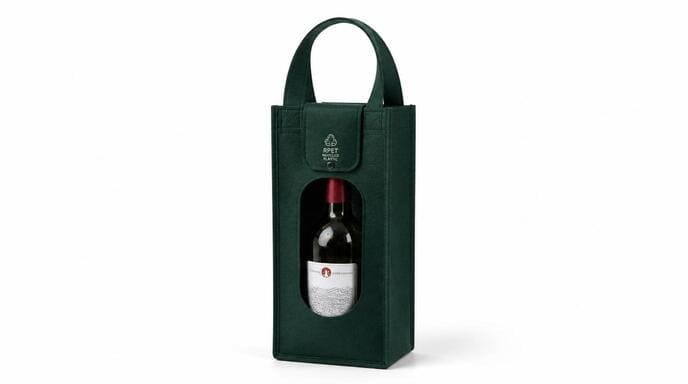
RPET wine bags provide a sustainable packaging option made from recycled PET bottles, reducing plastic waste and supporting environmental goals. They offer performance similar to standard polyester and are an excellent choice for eco brands, though it's important to note that recycled material is not inherently biodegradable.
Choosing RPET is a clear statement of a brand's commitment to the circular economy and reducing its environmental footprint.
What Is RPET Material?
RPET is derived from post-consumer plastic waste, primarily PET bottles. These bottles are collected, cleaned, processed, and melted down to create new polyester fibers or resins. This recycled material can then be spun into yarn and woven into fabric, identical in quality and performance to virgin polyester.
Advantages of using RPET for wine bags include:
- Reduces Plastic Waste: By utilizing recycled PET bottles, RPET diverts significant amounts of plastic from landfills and oceans, contributing to a cleaner environment.
- Supports Sustainability Goals: Using RPET demonstrates a brand's commitment to eco-friendly practices and appeals to consumers who prioritize sustainability in their purchasing decisions.
- Similar Performance to Polyester: RPET fabric possesses the same desirable qualities as virgin polyester: high strength, durability, resistance to stretching and shrinking, and excellent color retention.
Applications and Key Considerations
RPET bags are suitable for a wide range of applications where sustainability is a key selling point.
- Applications: They are perfect for eco-conscious brands, sustainable wine companies, corporate gifts, and promotional items for environmentally focused events.
- Important Clarification: It's crucial to understand that while RPET is recycled, it is not biodegradable. The material remains plastic and will not decompose naturally. The primary environmental benefit comes from diverting waste and reducing the need for new virgin petroleum-based plastics.
When looking for truly sustainable packaging, RPET stands out as a responsible and high-performing choice.
Quick Summary: RPET wine bags are made from recycled plastic bottles, offering a sustainable alternative to virgin polyester with similar durability, helping to reduce plastic waste and support eco-friendly branding.
Wine Bag Material Comparison Chart: Which Is Best?
Selecting the right wine bag material can feel overwhelming with so many options. To help simplify the decision, I've put together a comparison chart that highlights the key characteristics of each popular material. This should give you a quick overview to guide your choice.
This wine bag material comparison chart helps buyers quickly assess options based on durability, cost, premium feel, and eco-image. Paper offers a high premium feel and low cost but medium durability, while natural fibers like cotton and jute score high on eco-image and premium feel but vary in cost and durability.
Understanding these trade-offs is essential for aligning your packaging choice with your brand's specific needs and values.
| Material | Durability | Cost | Premium Feel | Eco Image | Common Use Cases |
|---|---|---|---|---|---|
| Paper | Medium | Low-Medium | High | Medium | Gifts, luxury retail, single-use events |
| Non-Woven PP | Good | Low | Medium | Medium (reusable) | Promotional, supermarkets, large campaigns |
| Cotton | High | Medium | High | High | Luxury gifts, wineries, eco-conscious brands |
| Canvas | Very High | Higher | Very High | High | High-end gifts, durable reusable bags |
| Jute | Good | Medium | High | Very High | Organic brands, rustic/artisanal products |
| Polyester | Very High | Medium | Medium | Medium | Durable reusable bags, travel, heavy-duty use |
| RPET | High | Medium | Medium | High (recycled) | Eco-brands, sustainable promotions, corporate gifts |
This chart provides a snapshot, but remember that specific quality within each material category can vary. For example, a heavy GSM non-woven PP might rival some lower-end cotton bags in durability, while a coated paper can offer better moisture resistance than uncoated kraft.
Quick Summary: This chart compares wine bag materials across durability, cost, premium feel, and eco-image, aiding selection based on priorities like luxury presentation (paper, canvas) or sustainability (jute, RPET).
How to Choose the Right Wine Bag Material for Your Needs?
Now that we've explored the various wine bag materials, the next logical step is understanding how to pick the perfect one for your specific application. I often guide clients by asking them to consider the primary purpose of the bag and the message they want to convey.
Choosing the right wine bag material depends on your specific scenario, including whether you need luxury wine gifts, large promotional campaigns, an eco-friendly image, or bags for heavy wine bottles. Factors like budget, target audience, and desired reusability play a crucial role in this decision.
Let's break down some common scenarios to help you decide.
For Luxury Wine Gifts
If you're presenting a high-value bottle as a gift, the packaging must reflect that quality.
- Recommended: Canvas, premium cotton, or high-GSM paper (like art paper or coated paper with a matte finish).
- Reason: These materials offer superior texture, weight, and a sophisticated appearance that enhances the perceived value of the wine. They provide a tactile experience that synthetic materials often can't match.
For Large Promotional Campaigns
When aiming for widespread brand visibility on a budget, practicality and cost-effectiveness are key.
- Recommended: Non-woven PP.
- Reason: It offers an excellent balance of affordability, durability for multiple uses, and a good surface for vibrant logo printing. My company, Zhejiang Jiarong Packaging, specializes in large-scale production of these bags to meet high-volume demands efficiently.
For Eco-Friendly Brands
Brands committed to sustainability need packaging that aligns with their core values.
- Recommended: Jute, Cotton (especially organic), RPET.
- Reason: Jute is biodegradable and natural. Cotton is a renewable resource. RPET diverts plastic waste. All three convey a strong message of environmental responsibility.
For Heavy Wine Bottles
Carrying heavier bottles requires robust materials and construction.
- Recommended: Canvas, heavy-duty polyester (like 600D Oxford), or reinforced non-woven PP (higher GSM with sturdy construction).
- Reason: These materials offer superior tensile strength and resistance to tearing. However, it’s not just the material; handle design, stitching, and bottom reinforcement are also critical for load capacity.
Quick Summary: Select wine bag material based on use case: canvas/cotton/paper for luxury, non-woven PP for promotions, jute/cotton/RPET for eco-brands, and strong materials like canvas/polyester for heavy bottles.
Beyond Material: Key Factors for Custom Wine Bags?
While the wine bag material is foundational, it's only one piece of the puzzle for creating truly effective custom wine bags. I've seen many clients focus solely on the fabric, only to find issues with usability or durability due to other factors. It's crucial to consider the entire construction.
Beyond the material itself, buyers should closely examine fabric thickness (GSM for non-woven, denier for polyester), handle strength and attachment, bottom structure (flat, gusseted, reinforced), and printing compatibility. These elements critically impact the bag's load capacity, lifespan, and aesthetic appeal.
When you're ready to order custom wine bags, remember these vital details to ensure you receive a product that meets all your expectations.
Fabric Thickness
The weight and thickness of the material are critical indicators of durability and load-bearing capacity.
- For Non-woven PP: Look at the GSM. As mentioned, 70-90 GSM is lightweight, while 120-160 GSM indicates a much stronger bag.
- For Polyester: The denier (D) measurement is key. Higher denier fabrics like 600D are significantly more robust than lower denier options like 210D.
- For Paper: GSM is also relevant, with higher numbers indicating thicker, stiffer paper.
Handle Strength
Flimsy handles are a common failure point. Consider:
- Material: Are the handles made from the same material as the bag, or are they reinforced (e.g., thick cotton rope, sturdy webbing)?
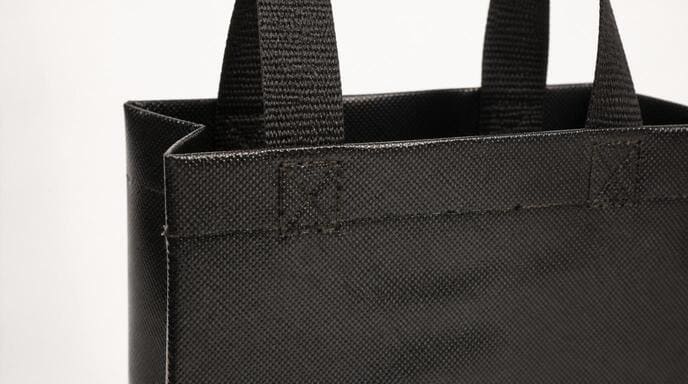
- Attachment: How are they attached? Sewn-on handles are generally stronger than those simply glued or heat-sealed. Look for reinforced stitching at attachment points.
- Type: Twisted paper handles are classic but can tear. Rope or webbing handles offer better durability for heavier loads.
Bottom Structure
The base of the bag plays a significant role in its stability and load capacity.
- Flat Bottom: Simple and common, but less stable for upright bottles.
- Gusseted Bottom: Side gussets allow the bag to expand, providing more volume and better stability.
- Reinforced Insert: Some bags include a cardboard insert at the bottom, providing a flat, rigid base that significantly improves stability and load-bearing capacity, especially for multiple bottles or very heavy ones.
Printing Compatibility
Different materials support different printing methods, affecting the final look and cost.
- Paper: Excellent for offset, flexography, hot stamping, embossing, UV coating.
- Non-woven PP: Great for screen printing, heat transfer, and lamination printing.
- Cotton/Canvas/Jute: Well-suited for screen printing and embroidery.
- Polyester/RPET: Can handle screen printing, heat transfer, dye-sublimation, and direct printing.
Understanding these factors ensures your custom wine bags are not only visually appealing but also highly functional and durable.
Quick Summary: Key factors beyond material for custom wine bags include fabric thickness (GSM/denier), handle strength and attachment, bottom structure, and printing compatibility, all impacting usability and durability.
Wine Bag Material and Sustainability: What Buyers Need to Know?
The conversation around sustainability is often nuanced, and it's no different when discussing eco friendly wine bags. While many materials offer environmental benefits, it's important to understand what those benefits truly entail. I often have to clarify misconceptions for clients regarding terms like "reusable" and "recycled."
Regarding wine bag material and sustainability, buyers should understand that reusability does not always equate to recyclability, and recycled material does not automatically mean biodegradable. True sustainability depends on the entire lifecycle of the product, from raw material sourcing to end-of-life disposal.
Making informed choices requires looking beyond simple labels.
Reusable vs. Recyclable
- Reusable: Bags designed to be used multiple times. Non-woven PP, cotton, canvas, polyester, and RPET bags are all considered reusable. This reduces the need for single-use packaging, which is a major environmental win.
- Recyclable: Bags that can be processed and turned into new materials. Many paper bags are recyclable (check local guidelines). Some types of polyester and RPET can also be recycled, but they often need to be separated from other materials. Non-woven PP can be challenging to recycle in standard streams due to its non-woven nature.
Recycled vs. Biodegradable
- Recycled Material: Materials like RPET are made from post-consumer waste, giving existing materials a new life and reducing the demand for virgin resources. This is a form of circularity.
- Biodegradable: Materials that can naturally break down into organic matter. Jute and cotton are naturally biodegradable. Paper is also biodegradable, though processing and coatings can affect this. Most plastics, including PP and polyester (and thus RPET), are not biodegradable.
Lifecycle Assessment
The most sustainable choice considers the entire lifecycle:
- Raw Material Sourcing: Is it renewable (cotton, jute), recycled (RPET), or petroleum-based (PP, polyester)?
- Manufacturing: What energy and water resources are used? Are there harmful emissions or chemical treatments?
- Usage: How many times can the bag be reused? Reusable bags, regardless of material, are generally more sustainable than single-use bags over their lifespan.
- End-of-Life: Can it be recycled, composted, or will it end up in a landfill?
Choosing a reusable bag made from recycled or natural materials, and ensuring it gets reused many times, is often the most impactful sustainable strategy for sustainable wine packaging.
Quick Summary: Sustainable wine bag choices involve understanding reusability, recyclability, biodegradability, and the material's entire lifecycle, favoring reusable options made from recycled or natural fibers whenever possible.
How Are Custom Wine Bags Manufactured?
Understanding the manufacturing process behind your custom wine bags can provide valuable insight into quality, consistency, and potential customization options. At Zhejiang Jiarong Packaging, we pride ourselves on a streamlined, quality-controlled production line that ensures every bag meets our high standards.
The custom wine bag manufacturing process typically involves material selection, fabric preparation (printing, laminating), precise cutting, sewing or forming the bag structure, handle attachment, rigorous quality inspection, and final packing and shipping. Each step is critical for ensuring the final product's quality and functionality.
Here’s a look at the typical journey from raw material to finished product:
- Material Selection: This is the first crucial step, where the chosen wine bag material (paper, non-woven PP, cotton, etc.) is sourced and prepared.
- Fabric Preparation:
- Printing: If the bag requires custom graphics, the material is printed using methods like screen printing, flexography, offset printing, or heat transfer, depending on the fabric. At Jiarong, our high-speed printing machines ensure vibrant, accurate designs.
- Lamination (for PP): For non-woven PP bags, a layer of film (glossy or matte) might be laminated onto the fabric for added durability and a premium finish.
- Cutting: Large rolls of printed or plain material are precisely cut into specific shapes and sizes according to the bag design using automated cutting machines or dies.
- Sewing or Forming:
- Textile Bags (Non-woven PP, Cotton, Polyester, RPET): Pieces are fed into industrial sewing machines. Handles are attached, sides and bottoms are sewn together, and reinforcements are added. Our extensive sewing workshops are equipped with specialized machines for efficiency and quality.
- Paper Bags: Materials are folded and glued, often using automated machines for speed and precision. Handles are attached securely.
- Handle Attachment: Whether sewn, glued, or heat-sealed, handles are affixed to the bag body. The method depends on the material and desired strength.
- Quality Inspection: Throughout the process, and especially at the end, bags are inspected for defects in material, printing, stitching, handle attachment, and dimensions. This is a critical stage Jiarong emphasizes to prevent issues like inconsistent quality.
- Packing and Shipping: Finished bags are bundled, packed into cartons, and prepared for shipment to the client. Proper packaging during transit is vital to prevent damage.
This detailed process, especially the integration of advanced machinery and stringent quality control, ensures that wine bags wholesale orders are produced efficiently and to a high standard.
Quick Summary: Custom wine bag manufacturing involves material preparation (printing/laminating), precise cutting, sewing/forming, handle attachment, quality checks, and packing, ensuring a finished product that meets design and functional requirements.
Expert's Perspective
As a manufacturer deeply involved in the packaging industry, I've seen firsthand how material choice impacts a brand's perception and product delivery. Many clients come to us focused purely on aesthetics, but the underlying material dictates so much more – durability, cost-effectiveness, environmental impact, and even the tactile experience a customer has. For instance, a winery aiming for a natural, artisanal image might dismiss non-woven PP too quickly, missing out on its excellent reusability and cost benefits for promotional events. Conversely, a budget-conscious promoter might overlook how a slightly higher-GSM paper or a reinforced non-woven bag could drastically reduce failures and enhance perceived value. Ultimately, the most successful packaging solutions are those where material selection is a strategic decision, not an afterthought, aligning perfectly with the brand's message and the product's journey to the customer.
Frequently Asked Questions About Wine Bag Materials
What is the best material for wine bags?
The "best" wine bag material depends entirely on your needs. For luxury gifting, canvas or premium paper excels. For budget-friendly promotions, non-woven PP is ideal. For eco-friendliness, consider jute, organic cotton, or RPET. Durability requirements might favor polyester or canvas.
Are non-woven wine bags reusable?
Yes, non-woven polypropylene (PP) wine bags are designed for reusability. While not as durable as heavy canvas or polyester over many years, they typically withstand multiple uses, making them a sustainable alternative to single-use paper bags for promotional and everyday purposes.
Are paper wine bags waterproof?
Standard paper wine bags are not waterproof; they are susceptible to damage from moisture and spills. However, some paper bags can be coated with a protective layer (like wax or plastic film) to offer a degree of water resistance, but they are still generally less waterproof than fabric bags.
Which wine bag material is most eco-friendly?
Jute and organic cotton are often considered the most eco-friendly due to their biodegradability and natural, renewable origins. RPET is also a strong contender as it diverts plastic waste from landfills. Reusable bags, in general, are more eco-friendly than single-use options.
What is the strongest wine bag material?
Canvas and heavy-duty polyester (like 600D Oxford) generally provide the highest strength and durability for wine bags, capable of carrying heavier loads reliably. Reinforced non-woven PP can also offer good strength if made with a higher GSM and robust construction.
Can wine bags be customized with logos?
Absolutely. Most wine bag materials can be customized with logos and designs. The specific printing methods available (like screen printing, heat transfer, offset printing, or embroidery) will vary depending on the material chosen, affecting the final look and feel of the customization.
Conclusion: Choosing the Right Wine Bag Material for Your Brand
Selecting the appropriate wine bag material is a critical step in brand presentation, functionality, and customer satisfaction. From the sophisticated feel of premium paper and natural fibers like cotton and canvas, to the cost-effectiveness and reusability of non-woven PP, and the sustainable innovation of RPET, each option offers unique advantages.
The best material for your brand hinges on a careful balance of budget, desired aesthetic, printing requirements, expected reuse frequency, and your commitment to sustainability goals. Whether you need eye-catching promotional items or elegant gift packaging, understanding these wine bag materials empowers you to make informed decisions. For bulk custom wine bags, partnering with an experienced manufacturer like Zhejiang Jiarong Packaging can ensure you get high-quality, precisely crafted bags that perfectly align with your brand vision and operational needs. Let us help you find the ideal solution to carry your brand forward.