A shopping bag is usually created for a simple purpose: carrying products from a store to a customer’s home. However, some bags become much more than packaging. They become recognisable symbols, generate consumer demand, and continue to represent a brand years after their launch.
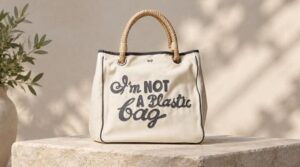
The 2007 “I’m NOT A Plastic Bag” tote by Anya Hindmarch is one of the most cited examples. Originally designed as a reusable shopping bag promoting reduced plastic consumption, it unexpectedly became a global fashion phenomenon. Limited-edition collaborations from retailers, designers and lifestyle brands have continued to follow this model, using shopping bags as tools for brand communication rather than only functional products.
For brands considering custom shopping bags, the key question is not simply “How do we make a beautiful bag?” but rather:
What factors make customers remember, reuse and even seek out a shopping bag?
The “I’m NOT A Plastic Bag” Case: How a Simple Tote Became a Cultural Symbol
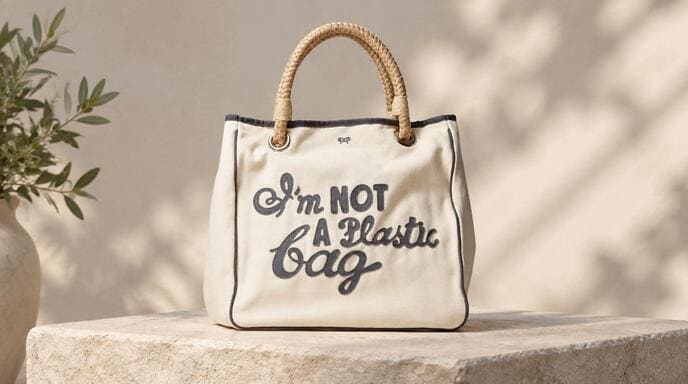
When Anya Hindmarch launched “I’m NOT A Plastic Bag” in 2007, the product itself was relatively simple: a reusable canvas tote carrying a clear environmental message.
The bag was created through a collaboration between Anya Hindmarch, advertising agency Antidote and social change movement We Are What We Do. Its retail price was £5, making it accessible compared with traditional designer handbags.
The result was unexpected:
| Factor | Data |
|---|---|
| Launch year | 2007 |
| Retail price | £5 |
| Initial Sainsbury’s stock | 20,000 bags |
| Time to sell out | Around 1 hour |
| Customers queuing at launch | Around 80,000 people reported by Anya Hindmarch |
| UK plastic bag usage | 10.6 billion bags (2006) → 6.1 billion bags (2010) according to cited BRC figures |
The success was not caused by the material alone. A basic canvas tote was not a new product category. The difference was that the bag combined:
- a clear social message;
- a recognisable slogan;
- designer credibility;
- limited availability;
- everyday usability.
The bag became something customers wanted to carry publicly because it represented a personal choice and social statement.
What Makes a Shopping Bag Iconic?
A memorable shopping bag is usually the result of several elements working together. There is no single formula, but successful examples often share four characteristics.
Strong Visual Recognition
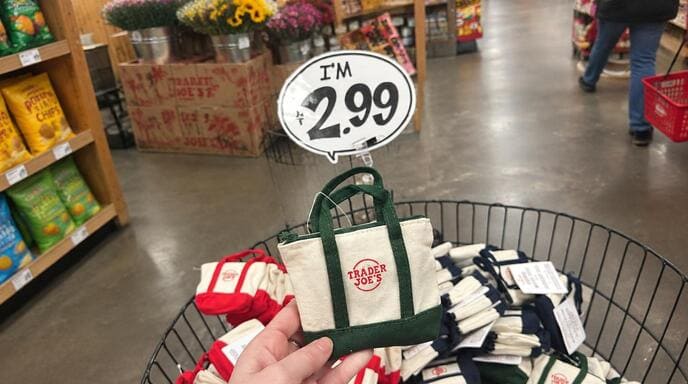
An iconic bag needs to be identifiable even without seeing the brand name. Examples include a distinctive logo placement, a unique colour combination, a memorable pattern, or a recognisable handle or structure.
For retailers, this means the shopping bag itself becomes a mobile communication tool. A customer carrying the bag in public creates additional brand exposure.
A practical question for brands is:
Can customers recognise the bag from several metres away?
If the answer is no, the design may function well as packaging but may struggle to become a brand asset.
A Story Behind the Product
Many successful shopping bags are connected to a story rather than only a design.
The “I’m NOT A Plastic Bag” tote succeeded because customers understood its purpose immediately: replacing disposable bags with a reusable alternative.
Modern limited-edition bags often use different storytelling approaches:
| Story Type | Example Direction | Brand Benefit |
|---|---|---|
| Sustainability | recycled materials, reusable design | strengthens environmental positioning |
| Collaboration | designer or cultural partnership | creates attention |
| Seasonal campaign | limited colours or themes | encourages collection behaviour |
| Local identity | regional symbols or community themes | improves emotional connection |
However, storytelling needs to match the brand. A message that feels disconnected from the company’s actual values may reduce customer trust.
Everyday Practical Value
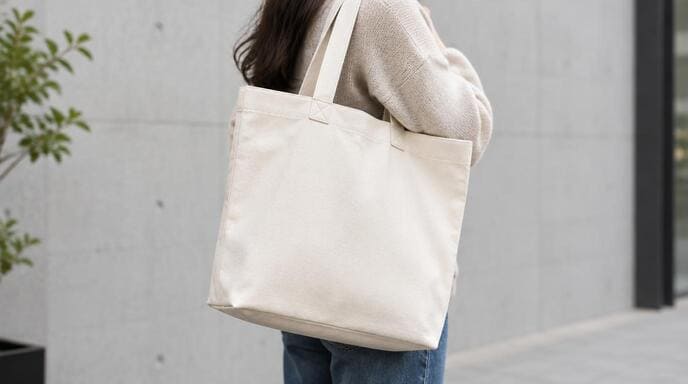
A bag cannot become a long-term brand symbol if customers do not want to use it.
Important design factors include:
- appropriate size;
- comfortable handles;
- suitable load capacity;
- durable materials;
- easy storage.
For example, a retail tote used weekly for shopping may generate more brand exposure than a visually attractive bag that is rarely reused.
From a manufacturing perspective, durability is not only a quality issue. It directly affects how long the brand message remains visible.
Are Limited-Edition Shopping Bags Successful Because They Are Rare?
Limited editions often create attention, but scarcity alone does not guarantee success.
Many brands release special bags every year, yet only a small number become widely recognised. The difference is usually the combination of:
Limited availability + strong design + brand relevance + consumer motivation
A limited quantity can encourage faster purchasing decisions, but customers still need a reason to care.
For example, the Anya Hindmarch tote was not simply difficult to obtain. It represented an environmental movement and had strong media visibility.
For brands planning a limited-edition shopping bag, the focus should therefore be:
- What makes customers want to keep it?
- Does it represent the brand?
- Will customers use it after the campaign ends?
How Brands Can Design a Shopping Bag That Builds Recognition
For retailers, promotional companies and consumer brands, the goal is usually not to create a collector’s item immediately. The practical goal is to create a bag customers associate with the brand.
A useful development process includes:
Step 1: Define the Role of the Bag
Before production, brands should clarify whether the bag is mainly for:
- daily shopping;
- gift packaging;
- promotional campaigns;
- seasonal products;
- membership programs.
Different purposes require different materials and structures.
Step 2: Select Materials According to Usage
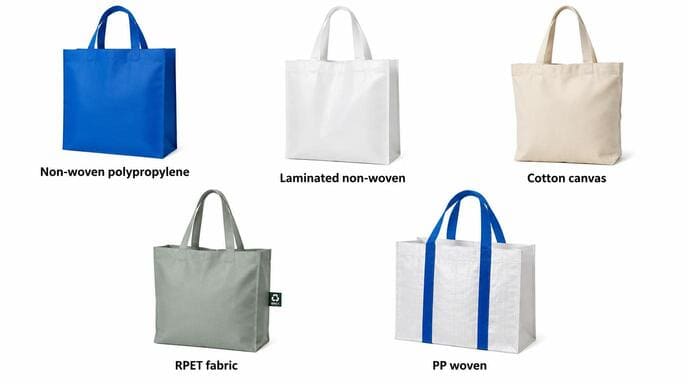
Common choices include:
| Material | Suitable Applications |
|---|---|
| Non-woven polypropylene | promotional events, retail giveaways |
| Laminated non-woven | stronger visual printing and splash resistance |
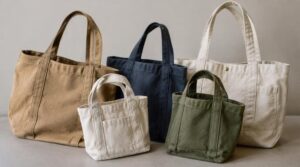
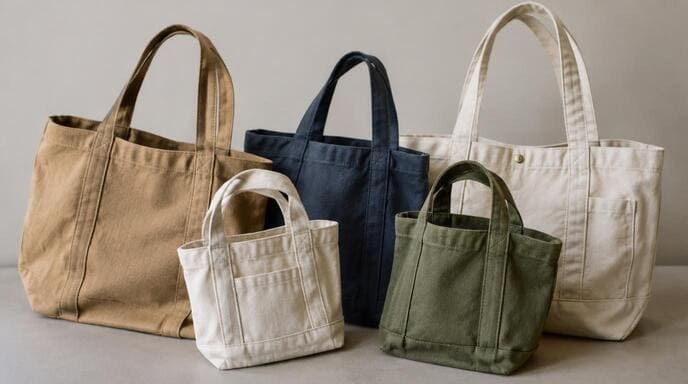
| Cotton canvas | premium reusable shopping bags |
| RPET fabric | sustainability-focused campaigns |
| PP woven | heavier products and repeated use |
Material selection should balance appearance, cost, durability and brand positioning.
Step 3: Make Branding Visible but Practical
A shopping bag is a moving advertisement, but excessive branding may reduce daily usability.
Many successful bags use:
- simple logos;
- memorable colours;
- clear graphics;
- balanced layouts.
The objective is not to make the bag look like an advertisement, but to make customers comfortable carrying it.
Manufacturer Perspective: What Brands Often Overlook When Developing Custom Shopping Bags
From a manufacturer’s perspective, many brands focus heavily on appearance but underestimate production details.
A successful retail bag requires coordination between design feasibility, material performance, printing technology, production consistency and cost control.
For example:
A complex design may look attractive digitally but create higher production difficulty if it involves multiple colours, special structures or unusual materials.
Experienced bag manufacturers usually recommend evaluating four areas:
Target usage frequency
A promotional giveaway bag and a premium retail tote require different durability standards.
Production method
Ultrasonic non-woven production, sewing, lamination and printing methods affect both appearance and cost.
Supply stability
For retailers ordering thousands of units, consistent colour, size and quality are often more important than a one-time sample.
Brand lifecycle
A successful shopping bag should remain relevant beyond a single campaign.
A professional manufacturer can help brands balance creative ideas with realistic production requirements, ensuring the final product supports both marketing goals and commercial needs.
Conclusion: A Great Shopping Bag Is More Than Packaging
The journey from “I’m NOT A Plastic Bag” to modern limited-edition totes shows that iconic shopping bags are created through a combination of design, purpose and customer connection.
The most successful bags are not memorable simply because they are expensive or rare. They become valuable because customers recognise them, use them and associate them with a specific idea or brand experience.
For brands planning custom shopping bags, the opportunity is not only to produce a carrier for products, but to create a reusable touchpoint that continues communicating with customers after they leave the store.
Working with an experienced custom bag manufacturer allows brands to turn creative concepts into practical products with suitable materials, reliable production and consistent quality.
Contact Jiarong Packaging to discuss your custom shopping bag project and develop a reusable bag solution that matches your brand goals.