Many businesses get confused when choosing between non woven bags and PP woven bags, often overlooking critical differences that impact performance and branding. Simply comparing prices misses the mark on longevity, carrying capacity, and how your brand is ultimately presented. Understanding the nuances of each material is key to making a smart investment for your reusable bag needs.
Choosing the right reusable bags involves understanding the fundamental differences between non woven bags and PP woven bags, as their material composition and manufacturing processes lead to distinct characteristics affecting durability, load capacity, printing quality, and overall cost.
Choosing the right reusable bag quickly depends on your priorities.
The table below provides a quick comparison of non woven bags and PP woven bags.
| Feature | Non Woven Bags | PP Woven Bags |
|---|---|---|
| Material | Bonded polypropylene fibers | Woven polypropylene tapes |
| Strength | Medium strength for daily use | Higher strength for heavy loads |
| Durability | Good for regular reuse | Excellent for long-term use |
| Weight Capacity | Light to medium loads | Medium to heavy loads |
| Texture | Soft, flexible, fabric-like | Stronger, structured texture |
| Printing Quality | Excellent for detailed graphics | Good, especially with lamination |
| Water Resistance | Basic; improved with lamination | Better resistance, especially laminated |
| Cost | More affordable | Higher initial cost |
| Best For | Promotions, retail, events | Heavy-duty shopping and industrial use |
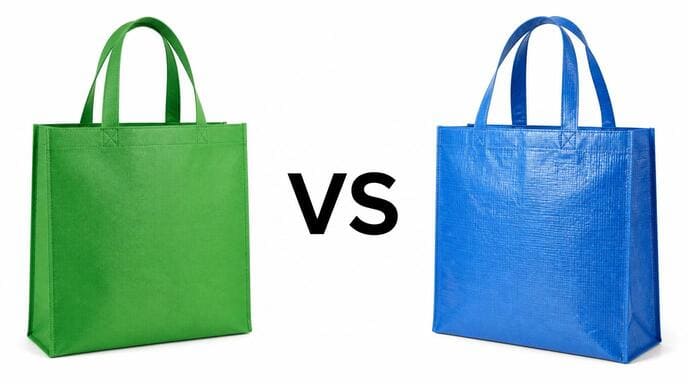
Navigating the world of custom reusable bags can be tricky, with terms like "non woven" and "woven" often leading to misunderstandings. Both utilize polypropylene, a versatile material, yet their construction results in vastly different products. Let's demystify these two popular options and uncover their unique strengths.
What Exactly Are Non Woven Bags?
Have you ever wondered about those soft, flexible bags often used for shopping or promotions? These are likely non woven bags, a popular choice for many brands seeking an affordable yet effective branding solution. But what makes them "non woven," and how do they differ from their woven counterparts?
Non woven bags are crafted from polypropylene fibers that are bonded together using heat and pressure, rather than being woven or knitted. This unique manufacturing process results in a material that is lightweight, soft, and ideal for a wide range of applications.
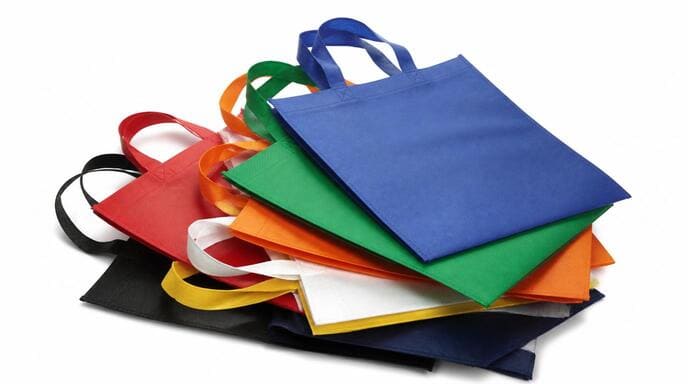
These bags offer a tactile feel similar to fabric but are produced through a different mechanism than traditional textiles. Their creation involves a process where polypropylene is transformed into a sheet or web of fibers, which are then bonded together. This method allows for significant cost efficiencies and versatile design options, making them a go-to for many promotional needs.
How Are Non Woven Bags Manufactured?
The journey from raw plastic pellets to a finished non woven bag is a fascinating blend of material science and manufacturing precision. Understanding this process sheds light on why these bags possess their specific characteristics. The core principle is bonding fibers without interlocking them like in traditional weaving.
The process begins with polypropylene (PP) granules. These are melted down and then extruded through a spinneret, forming continuous fine fibers. These fibers are then spread out into a uniform web or mat. Crucially, instead of being woven, this web of fibers is bonded together, most commonly through thermal bonding where heat and pressure fuse the fibers. This creates the non woven fabric. Subsequently, this fabric is cut into the desired bag shapes and joined using heat sealing (ultrasonic welding is common for a seamless finish) or traditional sewing methods to create the final bag.
Key steps in non woven bag manufacturing:
- PP Raw Material: Starting with polypropylene granules.
- Fiber Formation: Melting and extruding granules to create fine PP fibers.
- Web Formation: Spreading these fibers evenly to form a cohesive web.
- Thermal Bonding: Applying heat and pressure to fuse the fibers, creating the non woven fabric.
- Bag Making: Cutting the fabric and assembling it into bags via ultrasonic welding or sewing.
This streamlined process allows for high-volume production and contributes to the affordability of non woven bags, making them a popular choice for businesses looking for effective promotional tools.
Common Features of Non Woven Bags
Non woven bags are recognized for a set of distinct characteristics that make them highly practical for many everyday and promotional uses. Their design and material properties cater to situations where cost-effectiveness, ease of use, and good branding opportunities are paramount.
One of the most appealing aspects of non woven bags is their lightweight nature. This makes them easy to carry and economical to transport in bulk. They also possess a soft texture, reminiscent of fabric, which feels pleasant to the touch and allows for easy folding and storage when not in use. The surface of non woven fabric is also quite smooth and consistent, providing an excellent platform for various printing techniques, such as screen printing, heat transfer, or lamination printing, allowing for vibrant and detailed logos or graphics. Because the manufacturing process is efficient and requires less complex machinery than weaving, non woven bags are generally more affordable, positioning them as a common and sensible choice for large-scale promotional campaigns and giveaways.
Quick Overview:
Non woven bags are lightweight reusable bags made from thermally bonded polypropylene fibers. Their biggest advantages are affordability, soft fabric-like texture, excellent printing performance, and easy customization, making them a popular choice for promotional events, retail stores, and branded shopping bags.
Understanding PP Woven Bags: A Different Construction
While non woven bags offer flexibility and softness, PP woven bags stand out for their exceptional strength and durability. The key lies in their construction method: a traditional weaving process that interlocks polypropylene tapes. This results in a material far more robust than its non woven cousin.
PP woven bags are manufactured by weaving strips or tapes of polypropylene yarn together in a warp and weft pattern, creating a strong, durable fabric. This woven structure is inherently more resistant to stretching and tearing, making these bags ideal for heavier loads and more demanding applications.
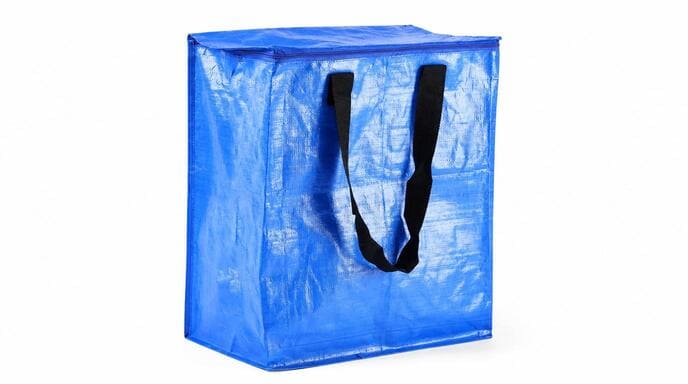
This distinct manufacturing approach is what gives PP woven bags their superior performance characteristics. Unlike the bonded fibers of non woven materials, the interlaced tapes in PP woven bags create a grid-like structure that distributes stress effectively. This makes them a preferred choice when carrying capacity and long-term resilience are primary concerns for your reusable shopping bags or packaging solutions.
How Are PP Woven Bags Manufactured?
The production of PP woven bags involves a multi-step process that transforms basic polypropylene into a resilient fabric capable of handling significant weight and wear. This method is rooted in traditional textile weaving but adapted for synthetic materials.
The process begins with PP granules, which are extruded and then cut into flat tapes. These tapes form the warp (lengthwise) and weft (crosswise) threads. Using specialized weaving looms, these tapes are interlaced to create a strong, flexible fabric. Often, this fabric is then coated or laminated with a layer of plastic (usually PP) to enhance its water resistance and provide a smooth surface for printing. Finally, the fabric is cut to size, and the bags are constructed, typically through sewing, to form the finished product.
The manufacturing flow for PP woven bags:
- PP Extrusion: Polypropylene is melted and extruded.
- Tape Creation: The extruded material is cut into flat tapes.
- Weaving: The tapes are woven together using warp and weft threads on a loom.
- Lamination (Optional): A protective coating is applied for increased durability and water resistance.
- Cutting and Sewing: The fabric is cut into bag pieces and sewn together.
This robust manufacturing process results in bags with excellent tensile strength and tear resistance, distinguishing them significantly from non woven alternatives and making them suitable for heavy-duty applications.
Common Features of PP Woven Bags
PP woven bags are engineered for strength and resilience, making them a preferred choice for applications where durability and load-bearing capacity are critical. Their construction offers a distinct set of advantages over other bag types.
The most prominent feature of PP woven bags is their higher strength. This is a direct result of their woven structure, where polypropylene tapes are interlaced to create a fabric with excellent tensile strength and superior resistance to tearing. Consequently, these bags exhibit better heavy load performance, making them ideal for carrying bulk items, agricultural produce, or substantial grocery hauls. Their robust construction also lends itself to a longer service life compared to many standard non woven bags; they are built for repeated, demanding use. While they might feel slightly stiffer than non woven bags, their inherent toughness ensures they can withstand more rigorous conditions and frequent handling over time.
Quick Overview:
PP woven bags are constructed by weaving polypropylene tapes into a strong fabric structure. Compared with non woven bags, they provide higher tensile strength, better tear resistance, and longer service life, making them suitable for heavy-duty shopping, industrial packaging, agriculture, and repeated commercial use.
Non Woven Bags vs PP Woven Bags: A Direct Comparison
The confusion between non woven bags and PP woven bags often stems from their shared polypropylene base and common use as reusable shopping bags. However, their manufacturing processes diverge significantly, leading to distinct performance profiles. Understanding these differences is crucial for selecting the right bag for your specific needs.
The fundamental difference between non woven bags and PP woven bags lies in their construction: non woven bags use bonded fibers, resulting in a soft, flexible material ideal for printing, while PP woven bags interlace polypropylene tapes, creating a strong, durable fabric better suited for heavy loads.
To truly grasp the distinction, let's break down the key attributes side-by-side. This comparison helps to highlight where each type excels and which might be the better fit for your particular requirements, whether you're looking for custom non woven bags for a promotional event or robust custom PP woven bags for a retail line.
Non Woven Bags vs PP Woven Bags: Key Differences
| Feature | Non Woven Bags | PP Woven Bags |
|---|---|---|
| Material | Bonded polypropylene fibers | Woven polypropylene tapes (warp & weft) |
| Structure | Fibers thermally bonded | Interlocking tapes creating a woven grid |
| Manufacturing | Fiber extrusion, web formation, heat bonding | Extrusion into tapes, weaving, optional lamination |
| Strength | Medium; good for light to medium loads | High; excellent tensile strength and tear resistance |
| Weight Capacity | Light to medium (e.g., groceries, retail items) | Medium to heavy (e.g., bulk goods, heavy groceries) |
| Texture | Soft, fabric-like, flexible | More structured, stiffer, can feel slightly plastic-like |
| Durability | Good for general reuse | Excellent for long-term, frequent, demanding use |
| Water Resistance | Basic; can absorb moisture | Better, especially when laminated/coated |
| Abrasion Resistance | Medium | High; resists wear and tear effectively |
| Cost | Lower; more economical for large volumes | Higher; due to more complex weaving process |
| Printing | Excellent; smooth surface for detailed graphics | Good; best for simpler logos or laminated designs |
| Folding Ability | Excellent; easy to fold flat | Medium; can be creased but less compact when folded |
| Premium Feel | Can offer a softer, more premium feel for branding | More industrial or utilitarian feel |
| Best Use | Promotions, retail shopping, giveaways, events | Heavy-duty applications, bulk packaging, industrial use |
This table clearly illustrates that while both are functional reusable shopping bags, their inherent properties make them suitable for different purposes.
Quick Overview:
The main difference between non woven bags and PP woven bags comes from their construction. Non woven bags focus on affordability, flexibility, and branding performance, while PP woven bags prioritize strength, durability, and heavy load capacity. The better choice depends on whether cost efficiency or long-term performance is more important.
Strength Comparison: Which Bag Material Is Tougher?
When it comes to carrying capacity and resilience, the battle between non woven bags and PP woven bags often leans towards one clear victor. The structural integrity of the material plays a pivotal role in determining how much weight a bag can safely hold and how well it withstands the rigors of repeated use.
PP woven bags are generally stronger than non woven bags due to their interwoven tape structure, which provides superior tensile strength and tear resistance. This makes them inherently better suited for carrying heavier loads and enduring more demanding conditions.
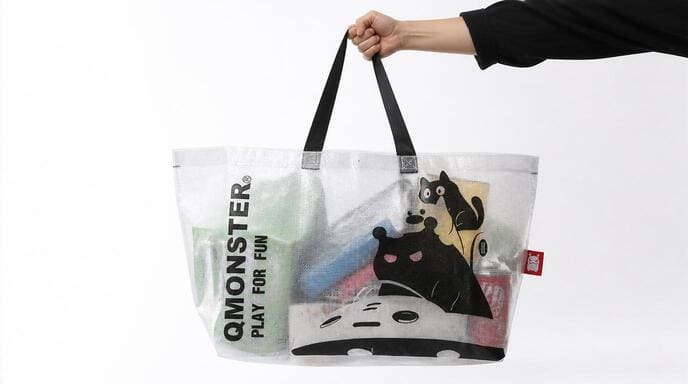
The critical difference lies in how the polypropylene material is formed into a fabric. Non woven bags are made from fibers bonded together, whereas PP woven bags are created by interlacing strong polypropylene tapes. This fundamental distinction in manufacturing directly impacts their physical capabilities. Let’s delve deeper into why one might be chosen over the other when strength is a primary concern for your custom PP woven bags or other packaging needs.
Why PP Woven Bags Are Stronger
The superior strength of PP woven bags is a direct consequence of their construction method. Unlike the random or directional arrangement of bonded fibers in non woven materials, PP woven fabric features a precise interlacing of warp and weft tapes. This creates a cohesive, grid-like structure that distributes stress evenly across the entire material.
When a load is placed in a PP woven bag, the forces are distributed across multiple intersecting tapes. If one tape experiences stress, the surrounding tapes provide support, preventing the stress from concentrating and causing a tear. This cross-weave structure results in significantly higher tensile strength – the ability to withstand pulling forces – and exceptional tear resistance. For applications involving heavy products, frequent transport, or industrial packaging, this inherent robustness is invaluable. It ensures the bag maintains its integrity under load, providing reliability and reducing the risk of failure.
Are Non Woven Bags Strong Enough?
While PP woven bags boast superior strength, non woven bags are certainly strong enough for many common applications, particularly for general shopping and promotional purposes. Their strength is primarily determined by a few key factors, including the material's weight (GSM) and the construction of the bag itself.
GSM (Grams per Square Meter) is a critical indicator of non woven bag strength. Higher GSM values mean a denser, thicker, and stronger fabric. For example:
- 70 GSM: Typically used for very lightweight promotional bags, suitable for carrying light items like flyers or small gifts.
- 90-120 GSM: This range is common for standard reusable shopping bags, capable of comfortably holding a typical load of groceries.
- 120-150+ GSM: These heavier-grade non woven bags offer increased durability and can handle more substantial weights, approaching the capacity of some lighter PP woven bags.
Beyond GSM, the handle design plays a vital role. Wider handles distribute weight better, and reinforced stitching or handle attachment methods enhance load-bearing capability. The bag size also matters; a larger bag will naturally experience more stress on its seams and material when filled to capacity. Therefore, while not as inherently strong as woven polypropylene, appropriately specified non woven bags can be surprisingly robust and perfectly adequate for their intended use.
Quick Overview:
PP woven bags generally provide greater strength because their woven tape structure distributes weight more effectively and resists tearing under pressure. However, high GSM non woven bags with reinforced handles can still perform well for everyday shopping and promotional applications.
Durability Comparison
Durability is a crucial factor when selecting reusable bags, influencing their lifespan, environmental impact, and overall value proposition. Both non woven bags and PP woven bags offer reusability, but their inherent material properties mean they excel in different durability scenarios.
PP woven bags generally offer superior durability compared to non woven bags due to their stronger woven structure and better resistance to abrasion and tearing, making them ideal for frequent, long-term use in demanding environments.
When considering how long your bags will last and how well they'll hold up against daily wear and tear, understanding these differences is essential. Let's explore the factors contributing to the longevity of each type.
Non Woven Bag Durability
Non woven bags are a popular choice for their reusability, which significantly reduces the need for single-use plastic bags. Their lightweight nature and affordable price point make them an accessible option for many consumers and businesses. However, their durability has certain limitations.
The primary strengths of non woven bags lie in their ability to be reused multiple times, their soft, fabric-like feel, and their cost-effectiveness for large-scale branding. On the downside, the bonded fiber structure, while providing flexibility, can be more susceptible to wear over time. The edges of non woven bags may fray faster, and they typically have lower tear resistance compared to woven materials. While good for regular shopping trips or events, they may not withstand the extreme stresses of very heavy items or constant, rough handling as effectively as PP woven bags over an extended period. Their lifespan is often measured in dozens of uses rather than hundreds.
PP Woven Bag Durability
PP woven bags are engineered for longevity and resilience. Their inherent strength and robust construction mean they can endure significantly more use and abuse than many other bag types, making them a truly sustainable long-term investment for brands and consumers alike.
The advantage of PP woven bags lies in their strong structure, created by interlacing polypropylene tapes. This design provides excellent abrasion resistance, meaning they can withstand rubbing and scraping without significant degradation. They also possess higher tear strength, making them less likely to rip or puncture. For scenarios involving heavy loads, rough handling, or frequent transport – such as bulk shopping, agricultural packaging, or industrial material handling – PP woven bags are the superior choice. Their longer lifespan means fewer replacements are needed over time, contributing to reduced waste and better resource utilization. If you're looking for a bag that truly stands the test of time and repeated use, the PP woven bag is often the answer.
Quick Overview:
When durability is the priority, PP woven bags usually outperform non woven bags due to their stronger woven structure and higher resistance to abrasion and tearing. Non woven bags remain a practical choice for businesses needing affordable reusable bags with moderate service life.
Printing and Branding Differences
Your bags are more than just carriers; they're mobile billboards for your brand. The ability to print high-quality graphics and logos effectively is a key consideration when choosing between non woven and PP woven materials. The surface texture and construction of each bag type significantly impact the clarity and vibrancy of your branding.
Non woven bags typically offer a superior printing surface, allowing for more detailed, vibrant graphics and logos, making them ideal for brands prioritizing high-impact visual branding. PP woven bags are better suited for simpler logos or when lamination provides a smooth print area.
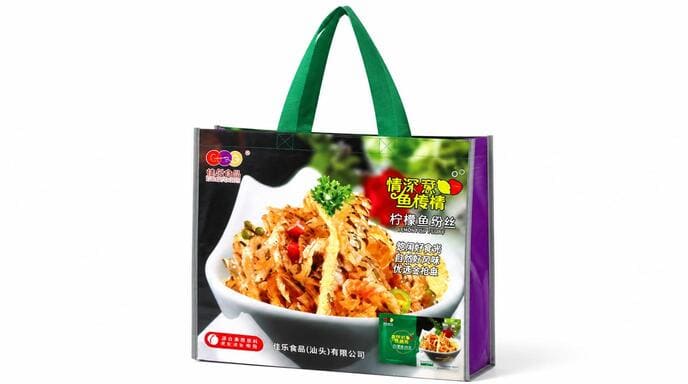
Understanding these differences can help you leverage the strengths of each material to maximize your brand's visibility and impact. Whether you're aiming for subtle elegance or bold statements, the choice of bag material plays a crucial role in achieving your branding goals.
Printing on Non Woven Bags
The smooth, consistent surface of non woven fabric makes it an excellent canvas for printing, offering versatility and high-quality results for branding. This characteristic is one of the primary reasons non woven bags are so popular for promotional purposes.
Non woven bags provide a flat and even surface that is highly receptive to various printing methods, leading to crisp, detailed graphics. Techniques like screen printing are very effective, allowing for vibrant colors and sharp lines. Heat transfer printing is also widely used, enabling the application of complex designs and photographic images. Furthermore, if the non woven bag is laminated with a thin plastic film (often gloss or matte finish), it creates an even smoother, more professional surface that enhances print quality and provides added durability to the design. This makes custom non woven bags a top choice for brands that want their logos and marketing messages to stand out with clarity and visual appeal.
Printing on PP Woven Bags
Printing on PP woven bags presents different opportunities and challenges compared to their non woven counterparts. While the inherent texture of the woven material can be a limiting factor for fine detail, advancements and specific finishes can yield excellent branding results.
PP woven bags are well-suited for printing simpler logos, bold graphics, or large-format designs, especially when a lamination layer is applied. The weaving process creates a texture that can sometimes make very fine details or multi-color gradients appear less sharp than on a non woven surface. Common printing methods for PP woven bags include flexographic printing, which is efficient for large runs and bold colors, and gravure printing. When a PP woven bag is laminated, it gains a smoother surface similar to non woven bags, significantly improving print quality and allowing for more complex designs. This lamination also adds water resistance and strength. Therefore, while perhaps less versatile for intricate artwork than unlaminated non woven fabric, PP woven bags can still be powerful branding tools, particularly when focusing on durability and high visibility for bulk items or retail packaging.
Quick Overview:
Non woven bags generally provide a smoother surface for detailed printing, vibrant colors, and complex brand graphics. PP woven bags are better suited for bold designs and large logos, especially when laminated to improve print quality and surface appearance.
Cost Comparison: Which Is More Affordable?
When businesses are looking for custom bags, budget is almost always a significant consideration. The cost of reusable bags can vary substantially based on material, construction, size, and printing requirements. Understanding these cost drivers helps in making an informed decision that balances quality with affordability.
Non woven bags are generally more affordable than PP woven bags, primarily because their manufacturing process is less complex and requires less energy and time, making them a cost-effective option for high-volume orders and promotional activities.
While initial price is important, it's also wise to consider the long-term value and durability each option provides. Let's break down the factors influencing the cost of both types of bags.
Non Woven Bags Cost Factors
The price of non woven bags is influenced by several variables, each contributing to the final cost. Manufacturers consider these elements when quoting prices, especially for custom orders.
Key factors affecting the cost of non woven bags include:
- GSM (Grams per Square Meter): Thicker, heavier fabric (higher GSM) requires more material and thus costs more.
- Size: Larger bags naturally require more material.
- Printing: The number of colors, complexity of the design, and the printing method used (e.g., screen printing vs. multi-color heat transfer) all impact cost. More colors and intricate designs generally increase the price.
- Handle Style: Different handle types (e.g., standard die-cut, padded handles, webbing handles) and their attachment methods can add to the cost.
- Lamination: Adding a gloss or matte lamination finish increases the material cost and adds an extra production step.
Despite these factors, non woven bags remain a highly cost-effective choice, particularly when purchased in large quantities. Their efficient production process allows for significant economies of scale, making them an excellent option for businesses needing to distribute many bags affordably, such as for trade shows, events, or general retail use.
PP Woven Bags Cost Factors
The cost of PP woven bags is typically higher than that of non woven bags, reflecting the more intensive manufacturing process required to create their strong, woven structure.
Several elements influence the price of PP woven bags:
- Weaving Density: A tighter weave, providing greater strength, requires more material and potentially slower loom speeds, increasing cost.
- Material Thickness: Similar to GSM in non woven bags, the thickness of the polypropylene tape and the overall fabric weight affect material costs.
- Lamination: Adding a PP or PE lamination layer for enhanced durability, water resistance, and printability adds to the material and processing costs.
- Printing: While often simpler designs are used, the number of colors and printing method (like flexographic printing) will impact the final price.
The additional steps involved in extruding tapes and weaving them on specialized looms, often followed by lamination, contribute to the higher per-unit cost of PP woven bags. However, this higher upfront cost is often offset by their superior durability and longer lifespan, which can lead to a lower total cost of ownership for applications requiring frequent, heavy-duty use.
Quick Overview:
Non woven bags usually have a lower production cost and are ideal for large-volume promotional orders. PP woven bags require more complex manufacturing but can offer better long-term value because their stronger construction allows extended reuse and fewer replacements.
Environmental Considerations: Choosing Sustainable Reusable Bags
In today's environmentally conscious market, the sustainability of packaging choices is paramount. Both non woven bags and PP woven bags offer a significant advantage over single-use plastic bags by being reusable. However, a deeper look at their lifecycle, material properties, and recyclability provides a more nuanced view of their environmental impact.
While both non woven and PP woven bags are reusable and help reduce waste from single-use plastics, their overall environmental footprint depends on factors like reuse frequency, material recyclability, and product lifespan. PP, being a recyclable plastic, can be a sustainable choice when managed properly.
When considering the "best material for reusable bags" from an ecological perspective, it's not just about the material itself but how it's used and managed throughout its lifecycle. Let's examine the environmental aspects of each type.
Are Non Woven Bags Eco-Friendly?
Non woven bags are often promoted as an eco-friendly alternative, and they certainly offer substantial environmental benefits when used correctly. Their primary ecological advantage stems from their reusability, which directly combats the pervasive problem of single-use bag waste.
The main ecological benefit of non woven bags is their reusability, significantly reducing the consumption of disposable bags. However, it's important to remember that polypropylene (PP) is a plastic polymer derived from fossil fuels. While PP is technically recyclable in many areas, the infrastructure and consumer participation for recycling non woven bags can vary. The key to their eco-friendliness lies in how often they are reused. A non woven bag needs to be used multiple times – estimates often suggest between 50 to 100 times, depending on GSM and construction – to offset the environmental impact of its production compared to a single-use plastic bag. Maximizing the product's lifespan through careful use and repair, and ensuring it enters the recycling stream at the end of its life, are crucial for their sustainability.
Are PP Woven Bags More Sustainable?
Given their enhanced durability and longer lifespan, PP woven bags often present a compelling case for greater sustainability, especially for certain applications. Their robust construction means they can endure significantly more use cycles than standard non woven bags.
Because PP woven bags are stronger and more durable, they typically last much longer, requiring fewer replacements over time. If used consistently for their intended heavy-duty purposes, they can potentially reduce overall resource consumption and waste generation compared to frequently replacing lighter-duty bags. A PP woven bag might last for hundreds or even thousands of uses, making its initial production impact less significant when amortized over its extensive service life. This makes them an excellent choice for applications where bags are subjected to rigorous daily use. Ensuring they are properly recycled at the end of their very long life is also key to maximizing their sustainable credentials. The PP woven bag advantages in durability directly translate into potential environmental benefits through reduced consumption and waste.
Quick Overview:
Both non woven and PP woven bags can support sustainable packaging goals because they are reusable and made from recyclable polypropylene. The environmental benefit depends largely on reuse frequency, product lifespan, and proper recycling after use.
Finding the Perfect Fit: Best Applications for Each Bag Type
Choosing between non woven bags and PP woven bags isn't just about material science; it's about matching the bag's capabilities to its intended purpose. Each type of bag shines in different scenarios, offering unique benefits that cater to specific needs, from retail promotions to heavy-duty industrial transport.
Non woven bags are best suited for general retail, promotional events, and giveaways due to their affordability, excellent printing capabilities, and lightweight nature, while PP woven bags excel in applications requiring high strength, heavy load capacity, and superior durability.
By understanding the strengths of each, you can make an informed decision that ensures your custom bags perform optimally, enhance your brand, and provide the best value for your investment.
Best Uses for Non Woven Bags
Non woven bags, with their combination of affordability, good print quality, and pleasant feel, are exceptionally versatile. They are often the go-to choice for brands looking for cost-effective ways to enhance visibility and provide practical, reusable carriers.
Ideal applications for non woven bags include:
- Retail Shopping Bags: Providing customers with a reusable option for carrying purchases from stores.
- Promotional Bags: Distributing marketing materials, samples, or merchandise at events, expos, or product launches.
- Trade Show Bags: A common giveaway item for attendees to carry brochures and samples.
- Corporate Gift Bags: Offering a branded presentation for corporate gifts or employee welcome packs.
- Event Bags: Used at conferences, festivals, or other gatherings for attendees.
- Supermarket Reusable Bags: A popular choice for everyday grocery shopping due to their balance of cost and reusability.
- Lunch Bags: Their insulated variants are excellent for keeping food fresh.
The ease with which non woven bags can be customized with vibrant logos and designs makes them perfect for marketing efforts where brand recognition is key.
Best Uses for PP Woven Bags
PP woven bags are the workhorses of the reusable bag world, designed to handle tougher jobs and last longer. Their superior strength and durability make them indispensable for applications where load capacity and resilience are paramount.
Key applications where PP woven bags excel include:
- Heavy Duty Shopping Bags: For carrying substantial amounts of groceries, including heavier items like canned goods, bottles, or multiple products.
- Agricultural Packaging: Used for transporting grains, seeds, fertilizers, and other farm produce due to their strength and resistance to punctures.
- Storage Bags: Ideal for storing bulky items, moving supplies, or seasonal items.
- Industrial Packaging: Suitable for packaging construction materials, hardware, or other industrial goods that require robust containment.
- Bulk Product Bags: Used by retailers or manufacturers for packaging large quantities of items like pet food, sand, or soil.
- Sandbags: Their inherent strength and durability make them suitable for flood control or construction.
When your requirements involve significant weight, frequent handling, or exposure to tougher environmental conditions, PP woven bags offer the reliability and longevity needed.
Quick Overview:
Non woven bags are ideal for promotional campaigns, retail shopping, trade shows, and branded giveaways where appearance and cost matter most. PP woven bags are better suited for heavy-duty applications where strength, durability, and repeated use are required.
Non Woven Bags vs PP Woven Bags: Making the Strategic Choice
Deciding between non woven bags and PP woven bags isn't about declaring one definitively "better" than the other. Instead, it's about understanding the unique strengths of each material and aligning them with your specific needs, budget, and branding objectives. Both offer valuable alternatives to single-use packaging.
The choice between non woven bags and PP woven bags hinges entirely on your intended use: opt for non woven bags for cost-effective promotions and vibrant branding, and choose PP woven bags for superior strength, heavy loads, and extended durability.
By carefully considering what you need your bags to do, you can make an informed selection that maximizes both performance and value. Let's recap the ideal scenarios for each.
Choose Non Woven Bags If You Need:
- Lower Cost: Excellent for large quantities and budget-conscious promotions.
- Soft Appearance: A flexible, fabric-like feel that's pleasant to touch.
- Better Printing Effect: Ideal for detailed logos, vibrant graphics, and full-color branding.
- Promotional Use: Perfect for trade shows, events, giveaways, and general retail branding.
- Lightweight Carrying: Easy for consumers to handle and carry.
Choose PP Woven Bags If You Need:
- Higher Strength: Exceptional tensile strength for carrying heavy items.
- Heavy Load Capacity: Can comfortably support bulkier, heavier products.
- Longer Lifespan: Superior durability for extended, frequent reuse.
- More Durable Structure: Resists tears and abrasion better than non woven options.
- Industrial or Agricultural Use: Built for demanding environments and applications.
Ultimately, the most effective reusable bag is the one that best meets the demands of its intended application while supporting your brand's message and objectives.
Your Step-by-Step Guide to Choosing the Right Custom Bag Material
Selecting the right material for custom bags can feel complex, especially with options like non woven and PP woven. However, by following a structured approach, you can confidently determine which bag type will best serve your business needs, aligning functionality, branding, and budget.
Choosing the right material for custom bags involves defining the bag's intended use, estimating its load requirements, considering branding needs, and balancing the cost against the required performance, ensuring your selection offers optimal value and functionality.
Let's walk through a simple decision-making process to guide you toward the perfect custom non woven bags or custom PP woven bags.
Step 1: Define Usage
The first and most critical step is to clearly understand how the bags will be used. Is this for a one-time promotional event, daily retail shopping, or heavy-duty industrial packaging?
- Shopping: For regular grocery runs, consider durability and load capacity.
- Promotions/Events: Focus on cost-effectiveness, printability for branding, and lightweight convenience.
- Long-Term Use: Prioritize materials built for longevity and repeated stress.
- Specific Contents: Will it carry food, liquids, sharp objects, or delicate items? This influences material requirements like water resistance and puncture resistance.
Step 2: Estimate Load Requirement
Based on the intended usage, determine the typical weight the bag will need to carry. This is a primary differentiator between non woven and PP woven bags.
- Light (e.g., 1-5 kg): Standard non woven bags (90-120 GSM) are usually sufficient for promotional items, event giveaways, or light shopping.
- Medium (e.g., 5-10 kg): Higher GSM non woven bags (120-150 GSM) can handle this, or lighter-duty PP woven bags might be considered.
- Heavy (e.g., 10 kg+): This category strongly suggests PP woven bags due to their superior strength and tear resistance.
Step 3: Consider Branding
Your bags are a reflection of your brand. Think about the visual impact you want to achieve.
- High-Quality Printing: If vibrant, detailed graphics, photos, or multi-color logos are essential, non woven bags typically offer a smoother surface for superior printing results.
- Premium Appearance: A softer, fabric-like texture (non woven) might align better with certain brand aesthetics than the more structured feel of PP woven bags.
- Simple Logo/Text: PP woven bags, especially when laminated, can still achieve excellent branding with logos and text, often at a lower cost per print cycle if the bag's lifespan is the primary concern.
Step 4: Balance Cost and Performance
Finally, weigh the initial cost against the required performance and lifespan. Don't just look at the per-unit price; consider the total cost of ownership.
- Budget Focus: If cost per bag is the absolute priority and bags will be used for limited promotions, non woven bags are often the most economical choice.
- Durability Focus: For bags intended for frequent, heavy use (like retail shopping or industrial applications), the higher upfront cost of PP woven bags is often justified by their much longer lifespan and reduced need for replacements.
- Total Value: Identify the best material that meets your functional needs (strength, durability) and branding goals, then find the most cost-effective option within that category. For example, custom PP woven bag advantages in longevity might make them more cost-effective over years of use than frequently replacing cheaper non woven bags.
By systematically evaluating these points, you can move beyond simple non woven bags vs PP woven bags confusion and select the ideal material for your custom bag project.
Quick Overview:
Choosing between non woven bags and PP woven bags depends on your priorities. Select non woven bags when you need affordable customization and attractive branding, and choose PP woven bags when higher strength, longer lifespan, and heavier load capacity are more important.
Frequently Asked Questions
Are non woven bags made from plastic?
Yes. Most non woven bags are manufactured from polypropylene (PP), which is a type of plastic derived from petroleum. While it's a plastic, PP is a recyclable material, and its use in reusable bags helps reduce reliance on single-use plastics.
Are PP woven bags stronger than non woven bags?
Generally, yes. The interwoven structure of PP woven bags, created by interlacing polypropylene tapes, provides higher tensile strength and tear resistance compared to non woven bags, where fibers are bonded together. This makes PP woven bags better suited for heavy loads.
Which bag is better for supermarkets?
For typical supermarket shopping, both can work, but it depends on usage. Lighter non woven bags (90-120 GSM) are good for moderate grocery loads and promotions. For heavier groceries or frequent, robust use, PP woven bags offer superior strength and durability.
Can non woven bags be recycled?
Many non woven PP bags are technically recyclable. However, their recyclability depends on local recycling infrastructure and consumer participation. Check with your local recycling facility. Often, the key environmental benefit comes from their reusability, significantly reducing single-use bag consumption.
How long can reusable PP bags last?
The lifespan of reusable PP bags varies greatly depending on the material thickness (GSM for non woven, tape thickness for woven), construction quality, and frequency of use. High-quality PP woven bags, designed for heavy-duty use, can last for hundreds or even thousands of cycles, far outlasting standard non woven bags.
Conclusion
In the comparison of non woven bags vs PP woven bags, it’s clear that both materials offer valuable reusable solutions, but they cater to different needs. Non woven bags stand out for their affordability, excellent printing capabilities for vibrant branding, and lightweight feel, making them ideal for promotions, events, and general retail shopping. On the other hand, PP woven bags are the champions of durability, offering superior strength, heavy load capacity, and a longer lifespan due to their robust woven structure, making them perfect for industrial applications, heavy-duty shopping, and frequent, demanding use.
The ultimate choice between these two types of reusable shopping bags depends on a careful assessment of your specific requirements. Consider your budget, the intended load capacity, the desired branding impact, and how long you expect the bags to last. At 浙江佳荣包装股份有限公司 (Zhejiang Jiarong Packaging Co., Ltd.), we specialize in providing high-quality custom non woven bags and custom PP woven bags tailored to your unique needs. Contact us today to discuss your project and let our expertise help you find the best material for your sustainable packaging solutions.