Are you trying to find the perfect bag for your needs, but feeling overwhelmed by the sheer variety of materials? Understanding what PVC bags are made of is the first step to making an informed choice. These versatile bags, known for their durability and waterproof nature, are crafted from a specific type of plastic that offers unique benefits for a wide range of applications.
PVC bags are primarily constructed from polyvinyl chloride (PVC) resin, a synthetic polymer. This rigid material is then enhanced with various additives like plasticizers, stabilizers, and pigments to achieve desired properties such as flexibility, clarity, and color. The specific formulation and manufacturing process determine the final characteristics of the PVC bag.
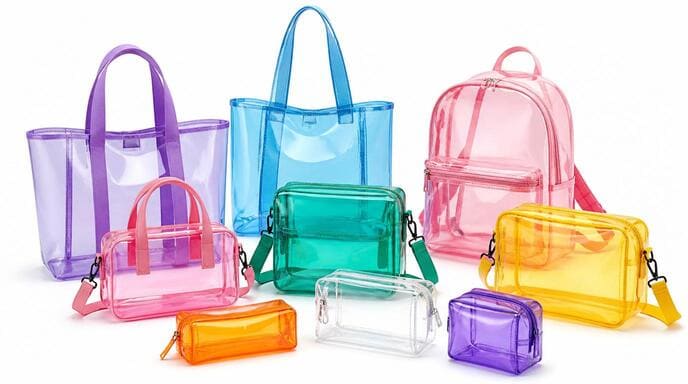
This comprehensive guide will break down the composition, manufacturing, types, and applications of PVC bags, helping you understand why they remain a popular choice for consumers and businesses alike.
What Exactly Is PVC Material?
Do you ever wonder about the fundamental building blocks of the plastics we use daily? Understanding the origin and nature of PVC helps explain why PVC bags possess their distinct qualities. Essentially, PVC is a common plastic with a specific chemical makeup that allows it to be modified for numerous uses.
PVC, or Polyvinyl Chloride, is a synthetic plastic polymer derived from vinyl chloride monomer (VCM). While naturally rigid, PVC is widely adapted by manufacturers through the addition of modifiers, creating a versatile material suitable for a vast array of products, including flexible bags.
PVC is a complex polymer formed from VCM. Its inherent rigidity can be precisely altered by adding functional ingredients, making it adaptable for different product types.
Definition of PVC (Polyvinyl Chloride)
Polyvinyl Chloride, commonly known as PVC, is a highly versatile and widely used synthetic plastic polymer. It is produced through the chemical process of polymerization, where vinyl chloride monomer (VCM) molecules link together to form long chains. This process creates a base resin that is then formulated into various usable forms.
How Is PVC Made?
The production of PVC involves several key stages, starting from basic raw materials.
Step 1: Raw Material Extraction: Chlorine is obtained from salt (sodium chloride) through electrolysis, while ethylene is derived from petroleum or natural gas.
Step 2: Vinyl Chloride Production: Chlorine and ethylene are combined to create ethylene dichloride (EDC), which is then converted into vinyl chloride monomer (VCM).
Step 3: Polymerization: VCM molecules are polymerized, typically using suspension, emulsion, or bulk methods, to form PVC resin powder.
Step 4: PVC Compound Processing: The raw PVC resin powder is mixed with various additives and processing aids to create a homogeneous compound that can be processed into sheets, films, or other desired shapes for manufacturing products like PVC bags.
The journey from basic elements to functional PVC involves chemical synthesis and polymerization, forming a base resin ready for customization.
What Are the Main Components of PVC Bags?
When you pick up a PVC bag, it's not just a single block of plastic. Instead, it’s a carefully engineered composite material. Understanding its components reveals why these bags are durable, flexible, and often colorful.
The primary material in PVC bags is PVC resin, which provides the fundamental structure and resistance. This is complemented by essential additives like plasticizers for flexibility, stabilizers for durability against heat and UV light, and pigments for color, all working together to create the final product.
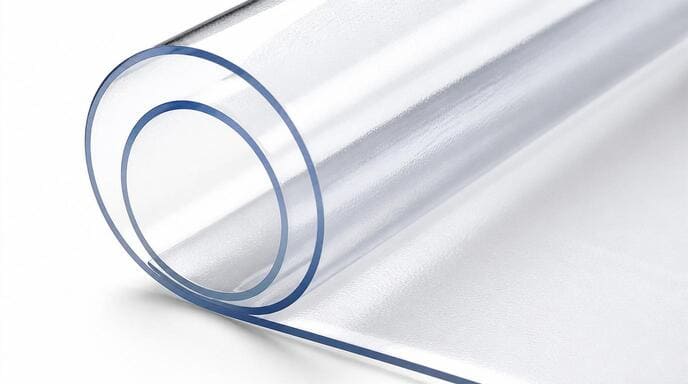
These components are not added haphazardly; their proportions are precisely controlled to meet specific performance requirements for different types of PVC plastic bags.
PVC Resin (Main Material)
PVC resin is the backbone of any PVC bag. This white, powdery substance forms the plastic matrix that gives the bag its inherent strength, chemical resistance, and basic form. The molecular structure of the PVC resin itself dictates foundational properties like thermal stability and resistance to degradation. The quality and type of resin used significantly impact the overall durability and intended application of the final PVC bag.
Plasticizers (For Flexibility)
Pure PVC resin is naturally hard and brittle, making it unsuitable for many bag applications. This is where plasticizers come in. These are essential additives that are mixed with PVC resin to increase its flexibility, softness, and pliability. Plasticizers work by embedding themselves between the PVC polymer chains, reducing intermolecular forces and allowing them to move more freely. The amount of plasticizer added directly correlates to the flexibility of the resulting soft PVC bags. Common plasticizers include phthalates and non-phthalates.
Stabilizers (Improve Durability)
PVC materials can degrade when exposed to heat, UV radiation, and mechanical stress during processing or throughout their lifespan. Stabilizers are crucial additives that protect the PVC from this degradation. They work by neutralizing byproducts of decomposition or by absorbing harmful UV rays. Common types include calcium-zinc stabilizers, often favored for their improved environmental profiles, and tin stabilizers. Their inclusion ensures that PVC bags maintain their integrity and appearance over time.
Pigments and Color Additives
To cater to diverse aesthetic preferences and branding needs, pigments and color additives are incorporated into the PVC compound. These agents provide the vast spectrum of colors available for PVC bags. Beyond solid colors, special effect pigments can create finishes like metallic sheens, pearlescent effects, or even marble-like patterns. For transparent or frosted finishes, specific types of additives and processing techniques are employed rather than traditional pigments.
Lubricants and Processing Additives
Lubricants and other processing additives play a vital role during the manufacturing stage. They facilitate the smooth flow of the PVC compound during extrusion or calendering, prevent sticking to machinery, and help achieve a better surface finish on the final film or sheet. These additives ensure efficient production and contribute to the overall quality and appearance of the PVC bag by reducing imperfections and enhancing the surface sheen or texture.
The performance of a PVC bag is a direct result of the precise blend of PVC resin with specialized additives like plasticizers, stabilizers, and colorants.
Are PVC Bags Always Made of a Single Layer?
When considering the construction of PVC bags, one might assume they are all made from a single sheet of plastic. However, the reality is often more complex, with designs varying to meet specific functional and durability requirements.
PVC bags can be made from either a single layer of PVC material or multiple layers, depending on the intended use. Single-layer bags are typically lighter and more cost-effective, while multi-layer constructions often incorporate reinforcing materials for enhanced strength and durability.
Understanding the structural differences between single-layer and multi-layer PVC plastic bags is key to appreciating their diverse applications and performance capabilities.
Single-Layer PVC Bags
The simplest form of PVC bag is constructed from a single sheet of PVC. This method is cost-effective and results in lightweight products that are ideal for applications where extreme durability is not the primary concern. These bags are often found as simple cosmetic pouches, small retail packaging, or basic promotional items. Their straightforward construction makes them quick to produce and generally more affordable, offering a good balance of function and price.
Multi-Layer PVC Bags
For applications requiring greater strength, tear resistance, or specific performance characteristics, multi-layer PVC bags are employed. These bags typically consist of a core PVC layer sandwiched between other materials or reinforced with fabrics, meshes, or films. A common structure might involve a PVC film layer, a reinforcing mesh or fabric layer for added tensile strength, and another PVC film layer bonded on top. This layered approach significantly enhances the bag’s durability, load-bearing capacity, and resistance to punctures or tears, making them suitable for heavier items or demanding environments.
The choice between single and multi-layer construction for PVC bags hinges on balancing cost, weight, and the required level of strength and resilience for the intended use.
Exploring Different Types of PVC Materials for Bags?
Not all PVC bags are created equal; the material's properties can vary significantly, leading to different types of PVC suited for distinct purposes. Understanding these variations helps in selecting the most appropriate bag for specific needs.
PVC materials used for bags can be broadly categorized into soft (flexible) PVC, rigid PVC, transparent PVC, and frosted PVC. Each type offers unique characteristics, from the pliability of soft PVC for cosmetic bags to the clarity of transparent PVC for product display.
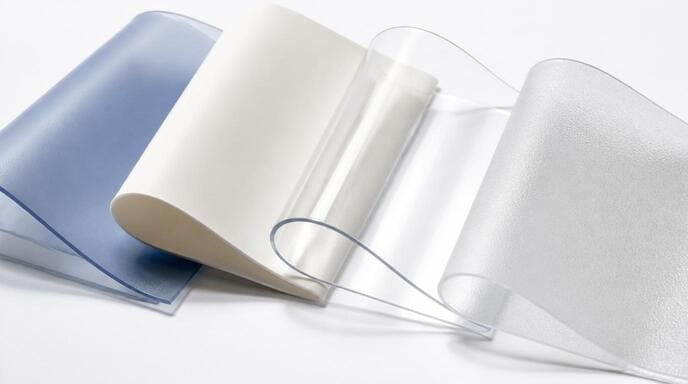
Exploring these material types provides insight into why certain PVC bags are preferred for particular applications, from everyday items to premium packaging.
Soft PVC (Flexible PVC)
Soft PVC, also known as flexible PVC, is the most common type used for bags. It achieves its flexibility through the addition of a significant amount of plasticizers during the manufacturing process. This results in a material that is pliable, soft to the touch, and easily foldable. Its inherent waterproof nature and clarity make it an excellent choice for cosmetic bags, toiletry kits, shower caps, and waterproof pouches where contents need to be visible and protected from moisture.
Rigid PVC
In contrast to soft PVC, rigid PVC contains very few or no plasticizers. This results in a much harder, stiffer material with excellent structural integrity and shape retention. While less common for traditional bags, rigid PVC is used in applications like durable packaging cases, display stands, or parts of structured luggage where a firm form is required. It offers superior impact resistance compared to soft PVC but lacks its flexibility.
Transparent PVC
Transparent PVC is a highly sought-after material for bags where product visibility is crucial. Achieved through specific formulations and processing, it offers crystal-clear aesthetics, allowing consumers to see the contents inside. This makes it ideal for makeup bags, TSA-approved travel organizers, and retail packaging where the product itself is part of the display. The clarity can range from perfectly clear to slightly hazy, depending on the grade.
Frosted PVC
Frosted PVC, also known as semi-transparent or matte PVC, offers a sophisticated alternative to crystal-clear options. It has a semi-opaque, textured surface that provides a premium look and feel while still allowing some visibility of the contents. This finish offers better privacy for items within the bag and reduces glare, making it suitable for fashion accessories, high-end promotional packaging, and boutique retail bags.
The versatility of PVC lies in its ability to be formulated into soft, rigid, clear, or frosted finishes, each tailored for specific aesthetic and functional demands in bag manufacturing.
How Do PVC Bags Compare to Other Bag Materials?
When considering bag materials, PVC bags are often compared to alternatives like TPU, EVA, and polyester. Each material offers a unique set of advantages and disadvantages, making the choice dependent on the specific application and desired performance.
PVC bags are generally more cost-effective and offer excellent waterproofing and transparency, making them ideal for everyday items. However, materials like TPU and EVA may offer superior flexibility, durability, or environmental performance, while polyester provides breathability and a fabric texture.
Understanding these comparisons helps clarify when PVC bag material is the optimal choice and when other options might be more suitable.
PVC vs. TPU Bags
| Feature | PVC | TPU (Thermoplastic Polyurethane) |
|---|---|---|
| Transparency | Excellent | Excellent |
| Flexibility | Good | Better, maintains flexibility in cold |
| Durability | Good | Excellent, high abrasion resistance |
| Environmental | Lower | Higher, more eco-friendly, biodegradable options |
| Cost | Lower | Higher |
| Chemical Resistance | Good | Excellent |
| Applications | Cosmetic bags, basic packaging | Premium waterproof bags, phone cases, sportswear |
PVC bags are a budget-friendly choice offering good performance for many everyday uses. TPU, on the other hand, is a premium material known for its exceptional durability, flexibility across a wide temperature range, and better environmental profile, albeit at a higher cost. For applications demanding superior resilience and a more sustainable option, TPU is often preferred.
PVC vs. EVA Bags
| Feature | PVC | EVA (Ethylene Vinyl Acetate) |
|---|---|---|
| Waterproof | Excellent | Excellent |
| Softness | Good | Better, softer feel |
| Impact Resistance | Moderate | Higher, excellent cushioning |
| Flexibility | Good | Very good, especially at low temperatures |
| Cost | Lower | Slightly higher than PVC |
| Applications | Cosmetic bags, clear packaging | Cooler bags, protective cases, kids' items |
EVA is known for its softness, flexibility, and excellent impact absorption. While PVC bags offer good performance, EVA provides a softer touch and better cushioning, making it suitable for applications like cooler bags, protective gear, or children's products where comfort and impact resistance are key. Both are waterproof, but EVA generally has a slightly better environmental footprint.
PVC vs. Polyester Bags
| Feature | PVC | Polyester |
|---|---|---|
| Waterproof | Excellent | Requires coating (e.g., PU, PVC) |
| Breathability | Low | Better |
| Weight | Medium | Lightweight |
| Durability | Good | High tensile strength, good abrasion resistance |
| Appearance | Transparent/Glossy | Fabric texture, wide color range |
| Cost | Lower | Varies, can be comparable or higher |
Polyester is a synthetic fabric known for its strength, durability, and light weight. Unlike PVC bags, polyester is breathable and typically requires a coating to become waterproof. It offers a fabric texture rather than a plastic sheen. Polyester bags are common for shopping, backpacks, and outdoor gear, offering a different aesthetic and feel compared to the smooth, often transparent surface of PVC.
While PVC excels in transparency and cost-effectiveness for waterproof applications, materials like TPU and EVA offer enhanced durability and flexibility, and polyester provides breathability and a fabric feel.
How Are PVC Bags Manufactured?
Understanding how PVC bags are made offers fascinating insight into the transformation of raw plastic into functional items. The process involves creating the plastic material itself and then shaping it into finished bags.
The manufacturing of PVC bags begins with the production of PVC film through mixing, heating, and calendering or extrusion processes. This film is then cut, printed, and finally assembled into bags using methods like high-frequency welding or heat sealing, often finished with added accessories.
This intricate PVC bag manufacturing process ensures the creation of durable, precisely formed bags ready for various uses.
PVC Film Production
The journey to a finished PVC bag starts with creating the PVC film. First, the PVC resin powder is precisely weighed and mixed with plasticizers, stabilizers, pigments, and other additives to create a homogeneous PVC compound. This compound is then heated and melted. The molten PVC is passed through a series of large rollers in a process called calendering, which flattens and thins the material into a continuous sheet or film of uniform thickness. Alternatively, extrusion can be used, where the molten PVC is forced through a die to form a sheet. After calendering or extrusion, the film is cooled and wound onto large rolls, ready for the next stage of bag production.
Bag Manufacturing Process
Once the PVC film is produced, it moves to the bag manufacturing stage.
1. Material Selection: Based on the intended application, the appropriate PVC film is selected, considering its thickness, transparency, color, and surface finish.
2. Cutting: The large rolls of PVC film are fed into automated cutting machines that precisely cut the material into the required shapes and sizes for individual bags according to the design specifications.
3. Printing: If the bag requires branding or custom designs, printing is performed at this stage. Common methods include screen printing, UV printing, or heat transfer printing, allowing for vibrant graphics and logos on the PVC surface.
4. Welding/Sealing: This is a critical step for creating the bag's structure and ensuring it is waterproof. PVC plastic bags are commonly assembled using high-frequency (HF) welding or heat sealing. HF welding uses radio frequency energy to melt and fuse the PVC layers together, creating strong, waterproof seams. Heat sealing applies direct heat to melt the PVC edges, fusing them. These methods produce clean, durable, and leak-proof seals essential for many bag applications.
5. Accessories Assembly: Finally, any necessary accessories are attached. This can include zippers, handles, buckles, straps, snaps, or decorative elements, completing the PVC bag.
From raw compound to finished product, the manufacturing of PVC bags involves precise film creation followed by meticulous cutting, printing, and robust sealing techniques.
What Thickness Should PVC Bags Be?
The thickness of the material is a critical factor determining the performance and perceived quality of a PVC bag. It directly influences durability, tear resistance, and even the cost.
The typical thickness for PVC bags ranges from 0.2 mm to 0.8 mm, with thinner materials used for lightweight packaging and thicker versions for more durable reusable bags. Generally, greater thickness translates to better durability and a more premium feel, but also increases cost and weight.
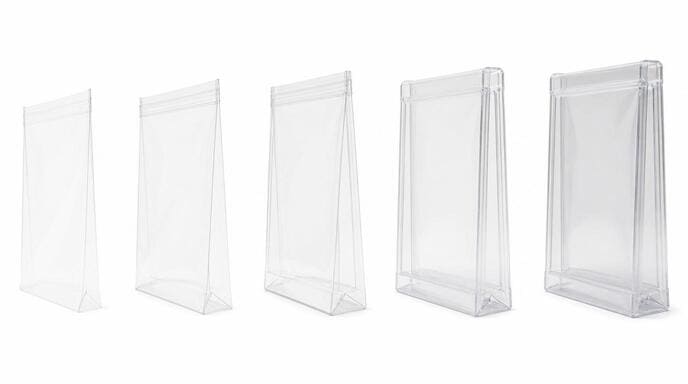
Choosing the right PVC bag thickness is essential for ensuring the bag meets the demands of its intended use.
Common PVC Thickness Range
You'll find PVC bags available in a variety of thicknesses, each suited for different purposes:
- 0.1 mm – 0.2 mm: Very thin, often used for disposable packaging or very light promotional items.
- 0.2 mm – 0.3 mm: Common for lightweight packaging bags, clear document holders, or simple retail pouches. These are cost-effective and offer basic protection.
- 0.3 mm – 0.5 mm: This is a very common range for cosmetic bags, travel pouches, toiletry bags, and basic shopping bags. They offer a good balance of flexibility, durability, and reasonable cost.
- 0.5 mm – 0.8 mm: Used for stronger, reusable bags, heavy-duty storage pouches, or bags that need to withstand more wear and tear. These thicker bags feel more substantial and are more resistant to punctures and tears.
- 0.8 mm and above: For specialized, extremely durable applications requiring maximum strength and longevity.
How Thickness Affects Bag Quality
In general, a thicker PVC film leads to a higher-quality bag.
Advantages of Higher Thickness:
- Better Durability: Thicker PVC is less prone to punctures, tears, and abrasions, making the bag last longer.
- Higher Tear Resistance: The material can withstand more stress before ripping.
- More Premium Feel: A thicker bag often feels more substantial and higher quality in hand.
- Improved Structure: Thicker PVC can hold its shape better, especially for structured bags.
However, increased thickness also comes with considerations:
- Higher Cost: Thicker materials require more raw material and can be more challenging to process, increasing the manufacturing cost.
- Increased Weight: A thicker bag will naturally be heavier, which can be a factor for certain applications, especially if shipping costs are a concern.
- Reduced Flexibility: Extremely thick PVC might become less flexible, which could be undesirable for certain bag types.
The thickness of PVC material is a direct indicator of a bag's expected lifespan and robustness, with thicker options generally offering superior durability at a higher price point.
What Are the Key Advantages of PVC Bags?
PVC bags are popular for a reason. Their unique combination of material properties makes them highly effective for a variety of uses, offering distinct benefits over other bag types.
The key advantages of PVC bags include their excellent waterproof performance, attractive transparency for product visibility, ease of cleaning, and extensive customization options, making them versatile for many consumer and commercial applications.
These benefits explain why PVC plastic bags remain a go-to choice for many specific packaging and carrying needs.
Waterproof Performance
One of the most significant advantages of PVC bags is their inherent waterproof nature. The material itself does not absorb water, and the manufacturing processes, particularly heat sealing or high-frequency welding, create virtually impermeable seams. This makes PVC bags ideal for protecting contents from moisture, rain, or spills, which is crucial for items like toiletries, electronics, important documents, or food items.
Transparency and Visual Appeal
Many PVC bags are crystal clear, offering excellent visibility of the contents inside. This transparency is highly beneficial for retail packaging, allowing customers to see the product before purchasing. For cosmetic bags or travel organizers, it allows users to quickly locate items. This visual appeal can enhance product presentation and consumer convenience. Even frosted PVC offers a semi-transparent, premium look.
Easy Cleaning
The smooth, non-porous surface of PVC makes it incredibly easy to clean and maintain. Spills, dirt, or smudges can typically be wiped away with a damp cloth and mild soap, leaving the bag looking like new. This low-maintenance quality is particularly advantageous for bags used for cosmetics, toiletries, or food, where hygiene is important. This ease of care contributes to the longevity and practicality of PVC bags.
Customization Options
PVC bags offer a wide array of customization possibilities to meet specific branding and functional requirements. They can be produced in virtually any color, come in various finishes (clear, frosted, metallic), and can be printed with intricate logos, patterns, or graphics. Furthermore, their flexibility in manufacturing allows for diverse shapes, sizes, and the addition of various accessories like zippers, handles, or closures. This makes them an excellent medium for promotional items and branded packaging.
PVC bags offer a compelling blend of practicality and functionality, distinguished by their superior waterproofing, clear visibility, simple maintenance, and broad customization capabilities.
What Are the Limitations of PVC Bags?
While PVC bags offer numerous advantages, it's important to acknowledge their limitations. Understanding these drawbacks helps in making an informed decision and considering alternative materials when necessary.
Limitations of PVC bags include potential environmental concerns related to their production and disposal, sensitivity to extreme temperatures, and lower breathability compared to fabric alternatives, making them unsuitable for certain applications.
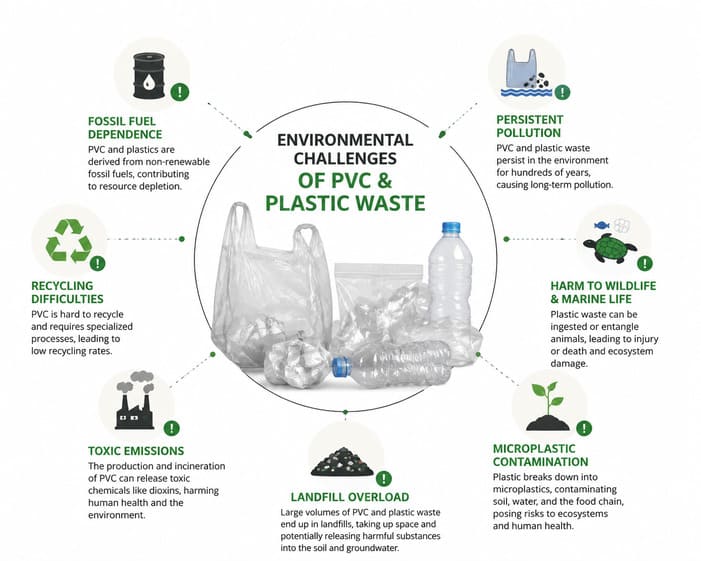
Awareness of these PVC bags advantages and disadvantages ensures realistic expectations and appropriate material selection.
Environmental Concerns
One of the primary concerns regarding PVC is its environmental impact. The production of PVC relies heavily on chlorine chemistry, and its disposal can be problematic. While PVC is technically recyclable, the process is more complex than for some other plastics due to the variety of additives used. These additives, like plasticizers, can leach out over time or during recycling, posing potential environmental and health risks. Furthermore, incineration of PVC can release dioxins and other harmful pollutants if not managed correctly. Choosing phthalate-free PVC bags and ensuring proper end-of-life management are crucial steps toward mitigating these concerns.
Temperature Sensitivity
PVC materials can exhibit sensitivity to extreme temperatures. In very high heat, soft PVC can become softer, potentially deforming or becoming sticky. Conversely, in very cold conditions, PVC can become harder and more brittle, increasing its susceptibility to cracking or breaking if flexed or impacted. This temperature sensitivity means that PVC bags might not perform optimally in environments with extreme temperature fluctuations, unlike some other plastics that maintain their properties more consistently.
Not Suitable for All Applications
Despite their versatility, PVC bags are not the ideal choice for every situation. Their low breathability, for instance, makes them unsuitable for packaging items that need to "breathe," such as certain fresh produce or textiles prone to mildew if trapped moisture cannot escape. While durable, they may not offer the same level of abrasion resistance or tensile strength as robust textiles like heavy-duty polyester or nylon for extreme outdoor use or heavy-duty carrying applications.
While PVC offers practical benefits, its environmental footprint, temperature limitations, and lack of breathability mean it's not always the optimal material choice for every bag requirement.
Are PVC Bags Safe for Use?
The safety of PVC bags often comes into question, especially concerning direct contact with sensitive items like food or children's products. The safety profile is not uniform; it depends significantly on the specific formulation and the additives used.
The safety of PVC bags depends critically on their formulation and the additives employed. While many PVC bags are safe for general use and specific applications like cosmetics or packaging, ensuring compliance with regulations (like FDA or REACH) and opting for phthalate-free formulations is crucial, especially for food contact or children's products.
Understanding these nuances, particularly regarding food contact and phthalate-free PVC bags, is essential for consumer confidence and product integrity.
Food Contact PVC Bags
When it comes to PVC bags intended for food contact, stringent regulations and specific formulations are paramount. Not all PVC is suitable for direct food contact. Manufacturers must ensure that the PVC resin, plasticizers, stabilizers, and any other additives used comply with relevant food safety standards, such as those set by the FDA in the United States or REACH in Europe. These regulations specify which substances are permitted and at what maximum levels. Often, specialized food-grade PVC compounds are used, which are free from harmful chemicals that could migrate into food.
Phthalate-Free PVC Bags
Historically, many flexible PVC products used phthalate-based plasticizers. However, concerns about potential health effects associated with certain phthalates have led to increased demand for alternatives. Today, many PVC bags are manufactured using non-phthalate plasticizers, such as DOTP (dioctyl terephthalate), DINCH (diisononyl cyclohexane-1,2-dicarboxylate), or citrate-based plasticizers. These phthalate-free PVC bags offer similar flexibility and performance characteristics but with an improved safety profile. They are commonly used for children's toys, medical devices, food packaging, and cosmetic bags, providing peace of mind for consumers.
The safety of PVC bags hinges on their composition, with specific formulations and the use of non-phthalate plasticizers ensuring suitability for sensitive applications like food contact and children's items.
Are PVC Bags Recyclable?
The question of recyclability for PVC bags is complex and often misunderstood. While PVC is a thermoplastic and theoretically recyclable, practical challenges exist that affect its widespread recycling.
PVC bags present recycling challenges primarily due to the diverse additives they contain and difficulties in collection and sorting. While not as commonly recycled as PET or HDPE, efforts are underway to improve PVC recycling through specialized programs and the use of recycled content and safer formulations.
Understanding these challenges and the ongoing efforts is key to assessing the sustainability of PVC plastic bags.
PVC Recycling Challenges
Recycling PVC differs from recycling simpler plastics like PET or HDPE. One major challenge is the sheer variety of formulations: different PVC products contain varying amounts and types of plasticizers, stabilizers, fillers, and colorants. This variability makes it difficult to process mixed PVC streams into a consistent, high-quality recycled material. Collection systems also face hurdles; PVC bags are often mixed with other plastic films, and separating them for specialized recycling is resource-intensive. Furthermore, contamination from other materials can compromise the recycled PVC's quality.
Improving Sustainability
Despite the challenges, the industry is working to improve the sustainability of PVC. This includes:
- Use of Recycled PVC: Some manufacturers are incorporating post-consumer or post-industrial recycled PVC into new products, reducing the need for virgin materials.
- Phthalate-Free Formulations: Using non-phthalate plasticizers and other safer additives improves the environmental profile and reduces potential hazards during recycling.
- Dedicated Recycling Programs: Initiatives like VinylPlus in Europe focus on collecting and recycling PVC waste, including PVC bags and films, through specialized channels.
- Longer-Lasting Designs: Creating more durable and reusable PVC bags that have a longer lifespan naturally reduces waste.
By embracing these strategies, manufacturers and consumers can contribute to making PVC a more sustainable material option.
While recycling PVC bags is complex due to varied additives and collection issues, advancements in material science and dedicated recycling efforts are making PVC a more sustainable choice.
What Are Common Applications for PVC Bags?
The unique properties of PVC bags make them incredibly versatile, leading to their widespread use across many industries and for everyday purposes.
Common applications for PVC bags include cosmetic bags, travel accessories, waterproof pouches, and promotional items. Their transparency, waterproof nature, and ease of customization make them ideal for packaging, organization, and branding needs.
Let's explore some of the most frequent uses for these practical PVC plastic bags.
Cosmetic Bags
Soft PVC bags are exceptionally well-suited for cosmetic and toiletry bags. Their transparent or semi-transparent nature allows users to easily see and locate their makeup, skincare products, and personal care items. The material is waterproof, protecting contents from spills and preventing liquids from damaging other belongings in a suitcase or handbag. Additionally, the smooth PVC surface is easy to wipe clean, making it hygienic and practical for items that might leak or spill.
Travel Bags
PVC’s durability and water-resistance make it a popular choice for travel accessories. From simple clear pouches for toiletries to larger travel organizers, PVC bags protect contents from moisture and spills. Many transparent PVC bags are also TSA-friendly, allowing security personnel to see items without needing to open the bag, streamlining the airport security process. They are often lightweight, adding minimal bulk to luggage.
Waterproof Pouches
For activities where water exposure is a certainty, waterproof pouches made from PVC are essential. These are perfect for protecting phones, cameras, wallets, and other valuables while swimming, kayaking, boating, hiking in the rain, or spending time at the beach. The reliable sealing methods used in their construction ensure that water cannot penetrate, keeping contents dry and safe.
Promotional Bags
PVC bags are a cost-effective and highly visible promotional tool. Their ability to be manufactured in bright colors and printed with logos, slogans, or custom designs makes them excellent for marketing campaigns, trade shows, and giveaways. Whether used as shopping bags for retailers, event bags, or product packaging, they offer a practical item that keeps a brand in front of the consumer long after the event.
From organizing your makeup to protecting your gear on an adventure, PVC bags serve numerous essential roles due to their inherent waterproof qualities, clear visibility, and customizable nature.
How to Choose the Right PVC Bag?
Selecting the appropriate PVC bag requires considering several factors to ensure it meets your specific needs for functionality, durability, and aesthetics.
To choose the right PVC bag, consider the material's thickness based on expected wear, select the PVC type (soft, transparent, frosted) according to its intended use and desired appearance, and always check for high-quality manufacturing, particularly in seam strength and finishing.
By carefully evaluating these aspects, you can confidently select a PVC bag that offers the best performance and value.
Consider PVC Thickness
As discussed, the thickness of the PVC material is a primary determinant of a bag's durability and strength.
- For lightweight packaging or minimal use: A thinner PVC (0.2-0.3 mm) might suffice and be more cost-effective.
- For everyday use like cosmetic or travel bags: A medium thickness (0.3-0.5 mm) provides a good balance of flexibility and durability.
- For reusable shopping bags or heavy-duty applications: Opt for thicker PVC (0.5-0.8 mm or more) to ensure longevity and resistance to tearing.
Choose the Right PVC Type
The type of PVC formulation should align with the bag's purpose:
- Soft PVC: Ideal for flexible items like makeup bags, garment bags, or anything that needs to conform to contents.
- Transparent PVC: Best when product visibility is key for retail display, organization, or compliance (e.g., TSA travel bags).
- Frosted PVC: Offers a more premium, semi-opaque look for fashion items, gift packaging, or when subtle branding is desired.
- Rigid PVC: Used for more structured containers rather than typical bags.
Check Manufacturing Quality
Beyond the material itself, the quality of manufacturing significantly impacts the bag's performance and lifespan. Look for:
- Seam Strength: Ensure seams are well-welded or sealed, without any gaps or weak points. This is crucial for waterproofing and durability.
- Material Clarity/Finish: If you chose transparent or frosted PVC, check for consistent clarity and absence of scratches or haze.
- Printing Quality: Ensure any logos or graphics are sharp, correctly aligned, and have vibrant colors.
- Zipper/Accessory Durability: Zippers, handles, and closures should operate smoothly and feel robust.
Making the right choice involves matching the PVC bag's thickness and type to its intended use, while always prioritizing high-quality construction for optimal performance and longevity.
PVC Bags vs. Other Plastic Bags: Which Material Is Better?
When comparing different plastic materials for bags, it's clear that PVC bags have their niche, but they aren't always the universally "best" choice. The ideal material depends heavily on the specific application's requirements.
PVC bags excel in transparency and cost-effectiveness for waterproof applications. However, materials like TPU and EVA offer superior flexibility and durability, while PE and PP are often chosen for their lower environmental impact or specific functional properties, each having distinct advantages and disadvantages.
Let's break down how PVC stacks up against common plastic alternatives.
| Feature | PVC | TPU (Thermoplastic Polyurethane) | EVA (Ethylene Vinyl Acetate) | PE (Polyethylene) | PP (Polypropylene) |
|---|---|---|---|---|---|
| Waterproof | Excellent | Excellent | Excellent | Good (can be coated) | Good (can be coated) |
| Durability | Good | Excellent | Very Good | Varies (HDPE > LDPE) | Varies (e.g., woven PP) |
| Cost | Lower | Higher | Medium-High | Very Low (LDPE) to Low (HDPE) | Very Low |
| Transparency | Excellent | Excellent | Good (can be hazy) | Low (HDPE) to High (LDPE film) | Low (woven) to Medium (film) |
| Flexibility | Good | Better | Excellent | Varies (LDPE > HDPE) | Varies |
| Environmental Impact | Higher (production, disposal) | Medium (recyclable) | Medium (recyclable) | Lower (recyclable, PE types) | Lower (recyclable) |
| Common Applications | Cosmetics, travel, promo, packaging | Premium waterproof, medical, sportswear | Cooler bags, protective cases, toys | Grocery bags, film packaging, liners | Woven bags, non-woven bags, packaging |
- PVC: Offers a fantastic balance of waterproof ability, transparency, and affordability, making it a go-to for many consumer goods. Its main drawbacks are environmental concerns and potential temperature sensitivity.
- TPU: A premium option that surpasses PVC in durability and flexibility, especially in cold weather. It's also generally considered more environmentally friendly.
- EVA: Known for its softness, flexibility, and good impact resistance. It’s a step up from PVC in comfort and cushioning, but usually less clear.
- PE (Polyethylene): This is a broad category (LDPE, HDPE). LDPE film is flexible and clear, used for bread bags or garment bags. HDPE is stiffer, more opaque, and commonly used for grocery bags. PE is generally less durable than PVC but often more environmentally benign and cheaper.
- PP (Polypropylene): Often used for woven shopping bags or non-woven bags. It’s durable, tear-resistant, and cost-effective, but typically not transparent like PVC films.
Ultimately, the choice between PVC bags and other plastic bags depends on prioritizing factors like cost, transparency needs, required durability, flexibility, and environmental considerations.
Frequently Asked Questions
What is the primary material in PVC bags?
The main component of PVC bags is polyvinyl chloride (PVC) resin, a synthetic polymer. This base material is then combined with various additives like plasticizers, stabilizers, and pigments to achieve the desired flexibility, durability, color, and appearance.
Are all PVC bags phthalate-free?
No, not all PVC bags are phthalate-free. While many modern PVC products, especially those intended for children, food contact, or medical use, are made with non-phthalate plasticizers, older or cheaper PVC bags may still contain phthalates. It's important to check product specifications if phthalate-free is a requirement.
How durable are PVC bags?
The durability of PVC bags can vary significantly based on their thickness and formulation. Generally, PVC offers good durability, resistance to water and chemicals, and reasonable tear resistance. Thicker PVC bags with reinforced structures are considerably more durable than thinner, single-layer options.
Can PVC bags be used for food?
Some PVC bags are approved for food contact, but this depends entirely on the specific formulation and compliance with food safety regulations (e.g., FDA, REACH). Only PVC compounds specifically designed and certified for food-grade applications should be used for packaging food items.
What is the difference between soft PVC and rigid PVC?
Soft PVC contains plasticizers to make it flexible, soft, and pliable, ideal for bags. Rigid PVC has minimal or no plasticizers, resulting in a hard, stiff material with excellent structural integrity, typically used for construction or hard packaging rather than bags.
Conclusion: Understanding What PVC Bags Are Made Of
In summary, PVC bags are predominantly manufactured from polyvinyl chloride resin, a versatile synthetic polymer. The final characteristics of these bags—their flexibility, clarity, color, and durability—are meticulously engineered through the precise addition of functional additives such as plasticizers, stabilizers, and pigments to the base resin. Whether they are single-layer or multi-layer constructions, the thickness and specific PVC formulation play crucial roles in determining their performance and suitability for various applications.
PVC bags remain a popular choice due to their inherent waterproof capabilities, attractive transparency, ease of cleaning, and extensive customization potential, from vibrant colors to specific finishes like frosted or clear. While environmental considerations and temperature sensitivities are important limitations to acknowledge, advancements in materials science, such as the development of phthalate-free PVC bags, are continuously improving their safety and sustainability profile. Choosing the right PVC bag material ultimately involves balancing your specific needs for performance, aesthetics, safety requirements, and cost-effectiveness.
At Zhejiang Jiarong Packaging Co., Ltd., we specialize in creating high-quality, eco-friendly bags, including a wide range of PVC options tailored to your exact specifications. Whether you need custom-printed cosmetic bags, durable travel organizers, or eye-catching promotional items, our OEM/ODM expertise ensures you receive packaging solutions that meet your brand's needs and customer expectations. Explore our sustainable packaging options and discover how we can help your brand shine with custom solutions, or visit zjjrpackaging.com for our international brand offerings. Contact us today to discuss your next project!