Skip to content
Are you choosing between different cooler bags but finding that many products look almost the same?
Today, cooler bag manufacturing technology has become relatively mature. For many factories, the basic production processes, insulation structures, and bag designs are already quite similar. When comparing products with similar workmanship and construction, the durability of the cooler bag often comes down to one important factor: the material.
The outer fabric is the first layer that protects the bag from daily wear. It needs to handle repeated carrying, friction, folding, moisture, and weight pressure during regular use. A stronger material can help the cooler bag maintain its shape, protect the insulation layer, and extend its service life.
However, material is not the only factor that determines durability. The stitching quality, handle reinforcement, zipper design, insulation structure, and overall manufacturing process also influence how long a cooler bag can be used.
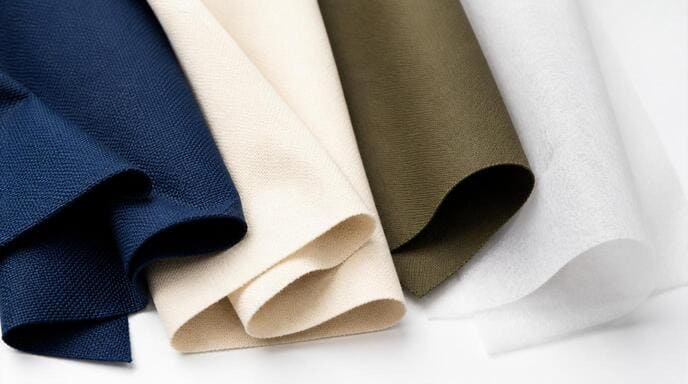
From a material perspective, 600D Oxford fabric, canvas, and RPET polyester are generally considered some of the most durable choices for reusable cooler bags, while laminated non-woven fabric provides a more affordable solution for lighter applications.
The best material choice depends on how the cooler bag will be used. A delivery bag that works several hours every day requires a different material from a promotional cooler bag used occasionally.
1. Oxford Cloth: One of the Most Durable Materials for Cooler Bags
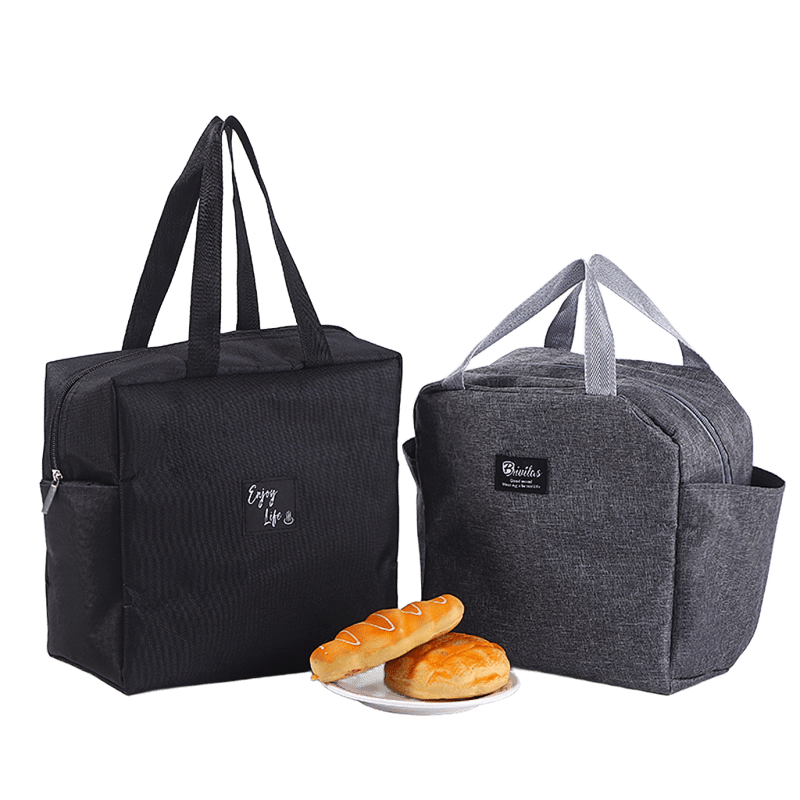
Oxford cloth is one of the most widely used materials for professional cooler bags because it offers an excellent balance between strength, cost, and practicality.
It is usually made from polyester fibers woven into a structured fabric. Unlike non-woven materials, Oxford fabric is created by interlacing yarns together, which gives the material a stronger internal structure.
This woven construction allows the fabric to better handle repeated friction, pulling, and pressure. During daily use, cooler bags are often placed on rough surfaces, transported in vehicles, folded repeatedly, or filled with heavy food containers. Oxford cloth performs well in these situations because it helps the bag maintain its shape and protects the insulation layer inside.
The durability of Oxford fabric is mainly affected by its Denier rating. Common options include 210D, 420D, and 600D.
210D Oxford Fabric
210D Oxford is a lightweight option commonly used for basic reusable cooler bags.
Its thinner yarn structure makes the fabric flexible and easy to carry. It is suitable for occasional use, such as simple shopping bags, promotional cooler bags, or lightweight picnic bags.
However, the thinner structure also means lower resistance to heavy abrasion. If the bag is frequently dragged, overloaded, or used in harsh outdoor conditions, the surface may show wear faster compared with thicker Oxford fabrics.
For buyers looking for low weight and lower cost, 210D Oxford can be practical. For long-term heavy use, thicker materials are usually a better choice.
420D Oxford Fabric
420D Oxford is one of the most popular choices for insulated bags.
It provides a strong balance between durability and weight. The fabric is strong enough for grocery shopping, food delivery, family picnics, and daily reusable applications while remaining comfortable to carry.
Many commercial cooler bags use 420D Oxford because it can handle frequent use without becoming too heavy.
In practical applications, a well-made 420D Oxford cooler bag with proper coating, reinforced stitching, and suitable insulation materials can maintain good performance for several years.
600D Oxford Fabric
600D Oxford is considered one of the strongest common materials used for cooler bags.
The thicker polyester yarn creates a denser and more durable surface. Compared with lighter Oxford fabrics, it provides better resistance against scratches, abrasion, and repeated loading.
This makes 600D Oxford suitable for professional food delivery bags, outdoor cooler bags, camping products, and applications where the bag experiences frequent handling.
I have seen many cooler bags used in delivery environments where the outer fabric receives constant stress every day. In these situations, thinner materials often show aging much faster, while 600D Oxford can continue maintaining its appearance and structure.
The disadvantage is that thicker Oxford fabric increases material cost and overall weight. However, for buyers who prioritize long service life, the additional investment is often worthwhile.
2. Canvas: A Natural Material with Exceptional Longevity
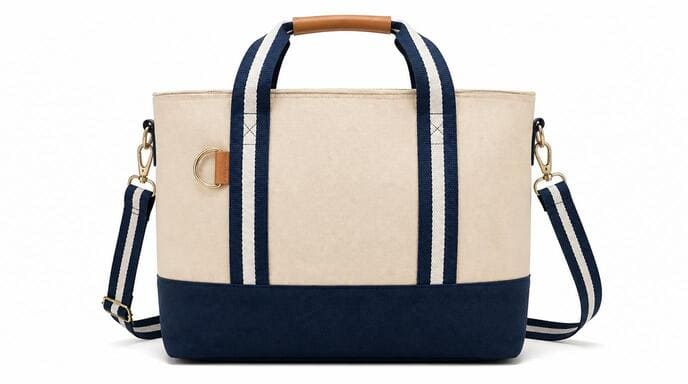
Canvas has been used for durable bags for many years because of its strong woven structure and premium appearance.
Traditional canvas is usually made from cotton or other natural fibers. These fibers are tightly woven together, creating a dense fabric structure that can withstand repeated use.
A high-quality canvas cooler bag can remain functional for many years with proper care. The material does not easily lose its shape, and its natural texture gives the product a premium appearance.
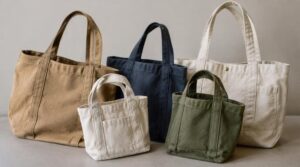
I once used a canvas tote bag for daily shopping for several years. Even after repeated carrying and folding, the fabric remained strong. This is one reason why many premium brands choose canvas when they want customers to keep using their products for a long time.
Canvas is especially popular for lifestyle cooler bags, boutique products, and brands that want to communicate a natural and premium image.
However, canvas also has limitations.
Unlike polyester-based materials, untreated canvas absorbs moisture. If the bag becomes wet frequently and is not dried properly, the fabric may develop odor or mildew over time.
To improve water resistance, manufacturers often add special coatings or treatments. These improvements increase outdoor performance but may also increase production costs.
Compared with Oxford fabric, canvas is usually heavier and requires more maintenance. For premium reusable products it is an excellent choice, but for high-frequency commercial delivery environments, Oxford fabric is often more practical.
3. RPET Polyester: Durable Performance with Sustainable Value
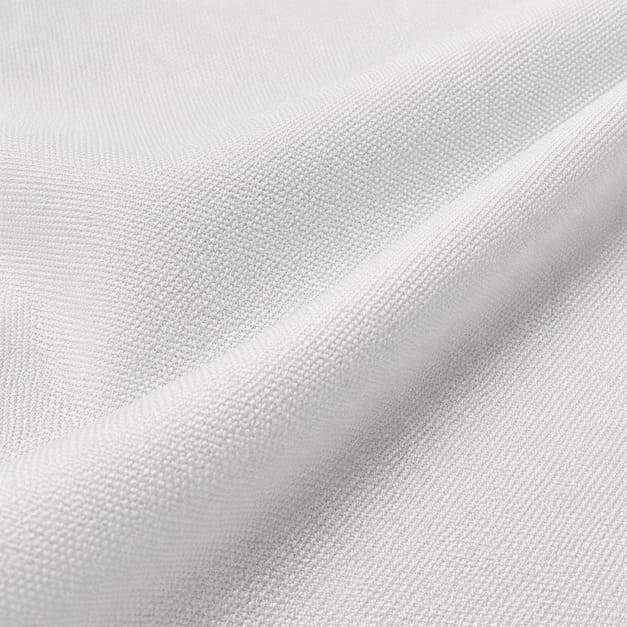
RPET has become increasingly popular in cooler bag manufacturing because it combines durability with environmental value.
RPET stands for recycled polyethylene terephthalate. It is produced by recycling used plastic bottles and converting them into polyester fibers.
From a performance perspective, RPET is similar to regular polyester fabric. It has good tensile strength, stable shape retention, and strong resistance to everyday wear.
The woven structure allows RPET cooler bags to handle repeated use much better than basic non-woven materials. The fabric does not easily stretch out of shape and can maintain a clean appearance after long-term use.
Many brands choose RPET because it allows them to offer reusable packaging while supporting sustainability goals.
However, RPET is not always the strongest option available. Heavy-duty Oxford fabrics with thicker yarn structures usually provide better performance in extreme environments where the bag experiences heavy friction or rough handling.
For companies looking for a balance between durability, sustainability, and brand value, RPET is an excellent choice.
4. Laminated Non-woven Fabric: Affordable but Designed for Moderate Use
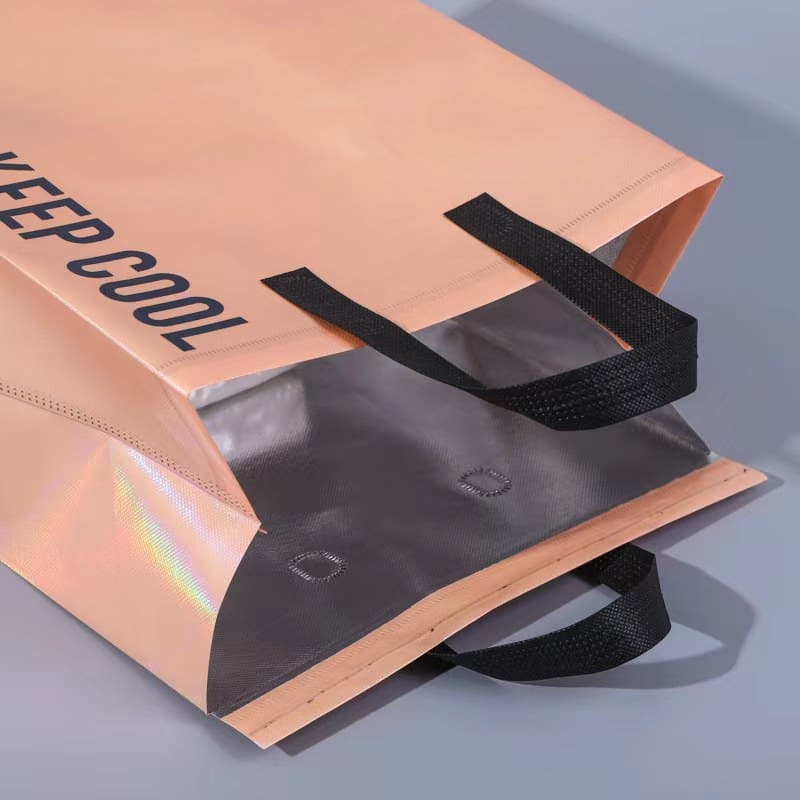
Laminated non-woven fabric is widely used for promotional cooler bags and large-volume orders because it provides good appearance and cost efficiency.
Non-woven fabric is made by bonding polypropylene fibers together instead of weaving fibers into a traditional textile structure.
The lamination process adds a thin plastic film layer to the surface. This improves water resistance, makes the fabric easier to clean, and creates a smoother printing surface.
For supermarket promotions, company giveaways, and short-term campaigns, laminated non-woven cooler bags are often the most practical solution.
However, their durability is limited compared with woven fabrics.
Because the fibers are bonded rather than interwoven, the material has lower resistance to repeated pulling and heavy friction. Under frequent heavy loads, areas receiving more stress may wear faster.
Laminated non-woven is a good choice when cost efficiency is the priority. However, if the cooler bag needs to be reused for many years, stronger woven materials are usually a better investment.
Final Comparison: Which Cooler Bag Material Lasts the Longest?
When durability is the main priority, woven fabrics generally outperform non-woven materials.
600D Oxford fabric usually provides the best overall durability for commercial cooler bags. It offers strong abrasion resistance, good structural support, and reliable performance in demanding environments.
Canvas can achieve a very long lifespan when properly maintained. It is especially suitable for premium products where appearance and long-term use are important.
RPET provides reliable durability with environmental benefits. It is a strong choice for brands looking for sustainable reusable packaging.
Laminated non-woven remains a cost-effective option. It is suitable for promotional products and lighter applications but is not designed for extreme long-term use.
For businesses purchasing reusable cooler bags, choosing the right outer material can reduce replacement costs, improve customer experience, and create better long-term value.