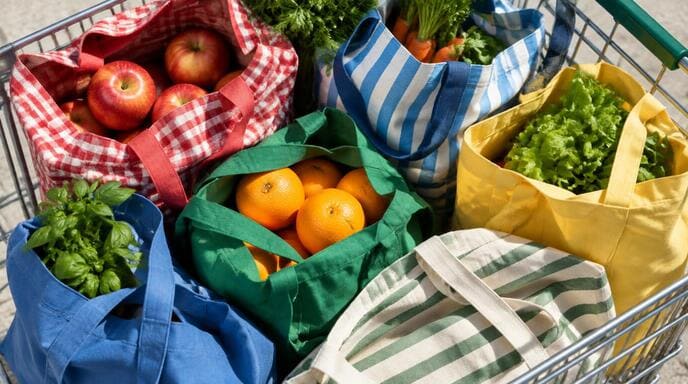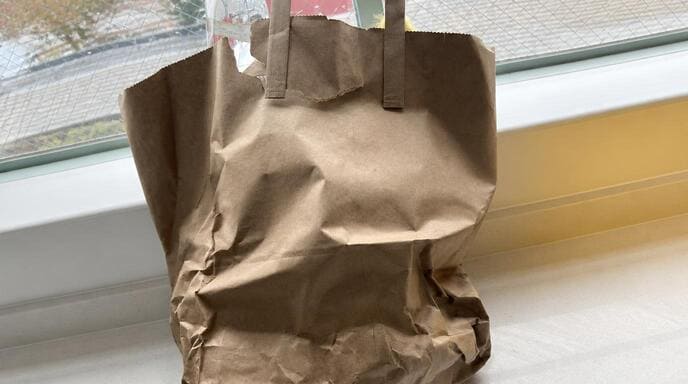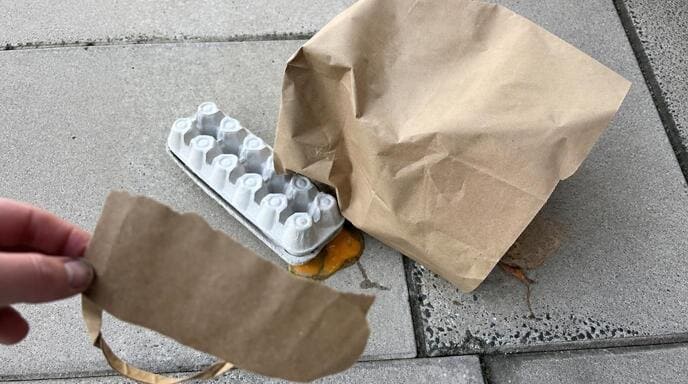
Are you tired of constantly buying plastic bags? Many believe switching to reusable bags automatically means being eco-friendly, but is that always true? This guide explores common myths.
The reality is that "reusable" doesn't always equal "eco-friendly." The environmental impact of reusable shopping bags truly depends on how many times they are used, not just the material they're made from. Using them only a few times might be worse than using single-use bags.
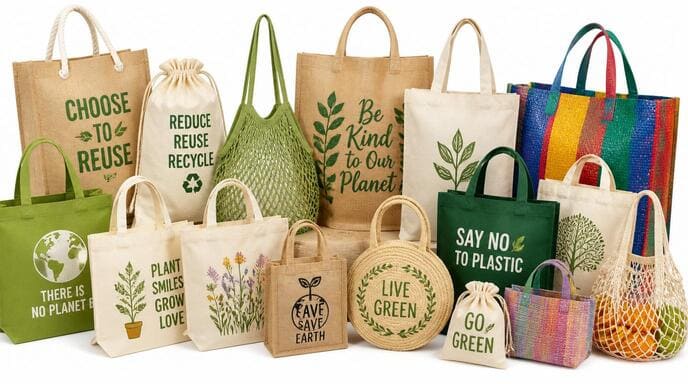
Many people think they know all about reusable bags, but some common ideas just aren't accurate. Let's clear up some confusion.
Is "Reusable" Always Equivalent to "Eco-Friendly"?
People often assume that if a bag can be used more than once, it's automatically good for the planet. This simple belief overlooks crucial details about production and consumption patterns.
No, "reusable" does not automatically mean "eco-friendly." The true environmental benefit comes from the number of times a bag is reused. Bags made from materials like non-woven fabric or PP woven fabric need to be used many times to offset their initial production footprint.
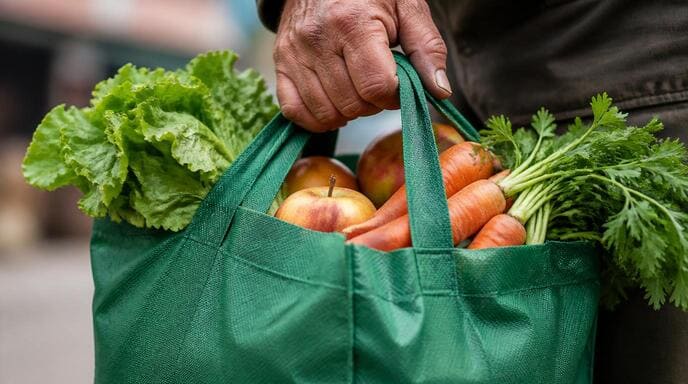
A common mistake is focusing only on the material itself, forgetting the entire lifecycle. The production of any bag, whether single-use or reusable, consumes resources and energy. For reusable shopping bags to be truly sustainable, they must be used repeatedly to amortize their environmental cost. Materials like non-woven polypropylene (PP), woven PP, and recycled PET (RPET) all have different "break-even points" – the number of uses required to become more environmentally friendly than disposable alternatives. If a reusable grocery bag is only used once or twice, its initial manufacturing impact might lead to a higher carbon footprint per use compared to a single-use plastic bag. Therefore, educating consumers on the importance of consistent reuse is key to unlocking the environmental potential of these bags. It's not just about choosing a reusable option; it's about committing to using it frequently and consistently over its lifespan.
Does Thicker Mean More Durable and Better?
A common request from buyers is simply to make the reusable bags "thicker." This often comes from a good intention: wanting a bag that lasts longer. However, simply increasing the material thickness isn't always the best solution.
A thicker reusable shopping bag isn't automatically better or more durable. While thickness plays a role, the bag's structural design, such as stitching quality and how weight is distributed, is far more critical for its actual longevity and usability.
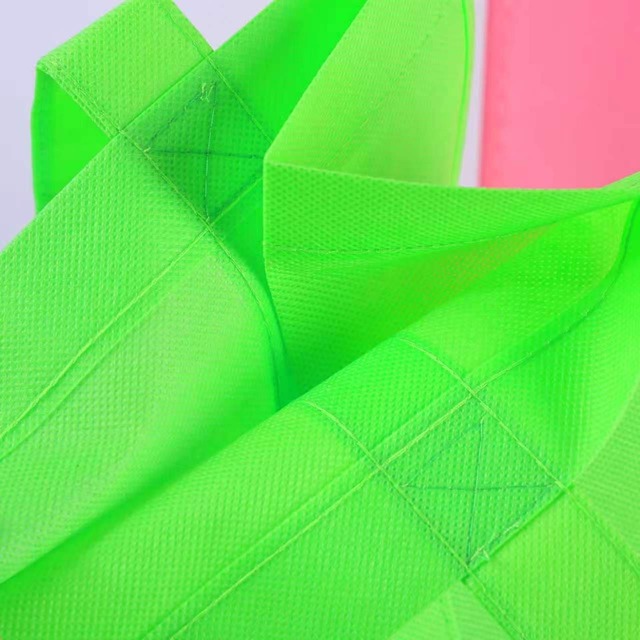
The idea that "thicker is better" often leads to products that are unnecessarily heavy and costly. Making a bag significantly thicker increases material usage, which raises production costs. It also adds weight, making the bags more expensive to transport, both from the factory to the distributor and from the store to the consumer's home. More importantly, thickness alone doesn't guarantee durability. A thick bag with weak stitching, poorly reinforced handles, or an unstable base will fail just as quickly as a thinner, well-designed one. True durability comes from smart engineering: strong, reinforced stitching, a sturdy, flat bottom that distributes weight evenly, and handles designed for comfortable carrying without digging into the hands. These structural elements prevent premature wear and tear, ensure the bag can handle reasonable loads without breaking, and ultimately provide a better user experience, making the bag more likely to be kept and reused for a long time. Focusing on these design aspects rather than just material thickness yields truly superior and long-lasting reusable grocery bags.
Can All Reusable Bags Be Used Indefinitely?
Many consumers believe that once they have a reusable bag, it's a one-time purchase that will serve them forever. This perspective often fails to account for the materials used and the environmental conditions the bags are exposed to.
No, not all reusable bags can be used indefinitely. The lifespan of different materials varies significantly, and environmental factors like moisture, sunlight, and the weight of contents directly impact how long a bag remains functional.
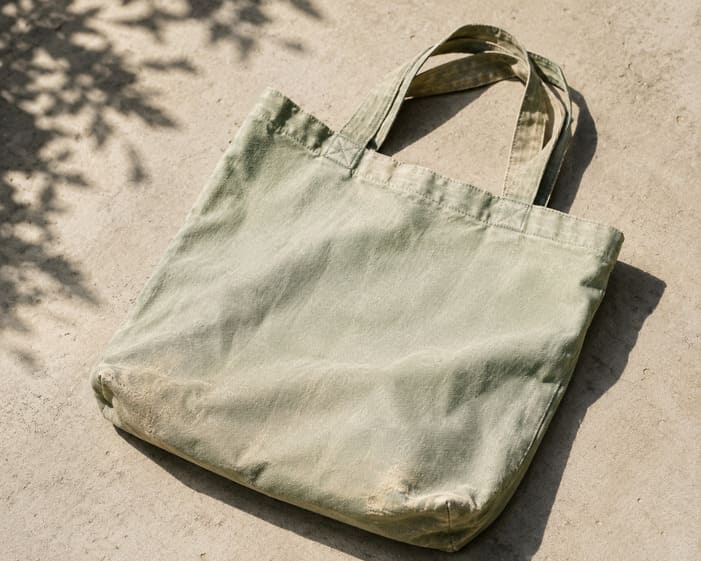
The expectation of unlimited use is a significant misconception. Different materials have inherent lifespans. For instance, non-woven polypropylene bags might last for about 20 to 50 uses under normal conditions. Woven PP bags, often perceived as more robust, can potentially last for 100 uses or even more, thanks to their tighter weave and often stronger construction. RPET bags, made from recycled plastic bottles, have lifespans that depend heavily on the quality of the weaving and any coatings applied. Beyond the material itself, the conditions under which the bags are used and stored play a vital role. Frequent exposure to damp environments can lead to mold and degradation, especially in fabrics like non-woven. Direct sunlight can cause UV damage, making plastics brittle and fabrics fade and weaken over time. Consistently overloading bags beyond their intended capacity will also stress seams and materials, leading to premature failure. Therefore, understanding that these bags have a finite lifespan and treating them with care is essential for maximizing their usefulness and environmental benefit.
Do Reusable Bags Require No Maintenance?
A common oversight is the assumption that reusable shopping bags are maintenance-free items. People often use them, stuff them in a car or drawer, and forget about them until the next shopping trip, without considering their care.
It's a myth that reusable bags require no maintenance. Neglecting proper cleaning and storage methods can significantly shorten a bag's lifespan and even lead to hygiene issues.
The idea that reusable bags can be used and stored without any attention is misleading. Like any fabric item, they benefit greatly from proper care. Leaving bags in damp environments, such as a wet car trunk or a humid pantry, can quickly lead to mold growth, especially with porous materials like non-woven fabric. This not only damages the bag but can also transfer odors or even mold spores to groceries. Conversely, prolonged exposure to direct sunlight, perhaps when left on a car dashboard or outside a shop, can accelerate material aging. UV rays break down plastic polymers and fade fabric colors, making the bag brittle and weakening its structure. Overloading bags consistently, far beyond what their construction is designed for, puts immense stress on seams, handles, and the fabric itself, causing rips and tears that might seem like inherent flaws but are often a result of misuse. By cleaning bags regularly (following manufacturer instructions, often gentle machine wash or spot cleaning) and storing them in a dry, cool place away from direct sun, users can significantly extend their usable life, ensuring they remain functional and hygienic for many shopping trips to come.
Is There Really No Need for Design in Reusable Bags?
In the quest for sustainability, the focus often lands heavily on materials and reusability, leading some to believe that the design of a reusable bag is secondary or even unnecessary. This viewpoint often sees them as purely utilitarian items.
The notion that reusable bags don't need design is incorrect. For brands and consumers alike, thoughtful design elements significantly enhance user experience, branding opportunities, and the overall perceived value of the bag.
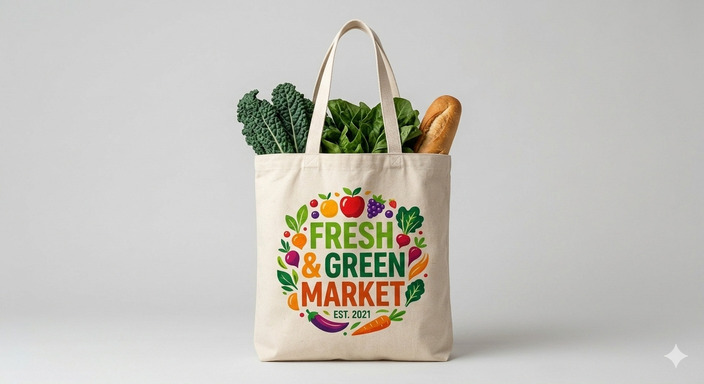
Many people view reusable shopping bags simply as containers, functional tools for carrying goods. However, in the competitive marketplace, particularly for brand-conscious businesses, these bags serve a much larger purpose. Brands invest heavily in their image, and their packaging, including reusable bags, is a direct extension of that brand identity. High-quality printing that accurately reflects brand colors and logos, unique patterns, or elegant aesthetics can turn a simple bag into a powerful marketing tool. Beyond visual appeal, the functional design profoundly impacts user experience. Comfortable, ergonomic handles reduce strain during carrying. A stable, reinforced base prevents items from shifting or tearing through the bottom. Features like internal pockets or closures can add significant utility. When these design aspects are considered, a reusable bag moves beyond being just a functional item; it becomes a statement piece, a portable billboard, and a preferred choice for consumers, encouraging consistent reuse and reinforcing brand loyalty. Therefore, investing in thoughtful design is crucial for creating reusable bags that are both practical and impactful.
Are Disposable Bags Cheaper, Making Them More Economical?
When comparing the initial price tags, disposable plastic or paper bags often appear significantly cheaper than their reusable counterparts. This immediate cost difference leads many to assume that sticking with single-use options is the more economical choice for businesses and consumers.
The belief that disposable bags are more economical is a common purchasing fallacy. While their per-unit cost is lower, when calculated over the long term, reusable bags often prove to be more cost-effective due to their extended lifespan.
The core of this misconception lies in focusing solely on the unit price rather than the total cost of ownership or "cost per use." Disposable bags have a low upfront cost, but they must be repurchased every single time a purchase is made. Over a year, or several years, the cumulative expense of repeatedly buying single-use bags can quickly surpass the initial investment in a set of durable reusable grocery bags. Reusable bags, although having a higher initial purchase price, are designed to last for dozens, hundreds, or even thousands of uses. When you divide the initial cost of a reusable bag by the number of times it is used, the "cost per use" becomes remarkably low. For businesses, this means potentially reducing ongoing expenses associated with providing bags. For consumers, it's a long-term saving. The true measure of economy is not the price you pay today, but the value and utility you receive over the entire period of use. Therefore, focusing on the 'cost per use' reveals that reusable shopping bags are often the more financially sensible option in the long run.
Are All Reusable Bags Made From Eco-Friendly Materials?
There's a widespread idea that any bag labeled "reusable" is automatically made from inherently environmentally friendly materials, like organic cotton or recycled content. This connection is often assumed without deeper scrutiny.
It is not entirely accurate to assume all reusable bags are made from inherently eco-friendly materials. Materials like Polypropylene (PP), a common plastic, are used in many reusable bags, and their environmental friendliness depends heavily on factors like recyclability and, critically, the frequency of reuse.
The term "eco-friendly material" often brings to mind natural, biodegradable, or recycled substances. However, many popular and effective reusable bags are constructed from materials like Polypropylene (PP) or Polyester (PET/RPET), which are petroleum-based plastics. While these materials are durable and excellent for creating long-lasting reusable shopping bags, their origin is not inherently "natural" or "green." The sustainability of such bags hinges not just on their material composition but crucially on their lifecycle and end-of-life management. A PP bag is only environmentally beneficial if it is reused many times, significantly reducing the need for single-use alternatives. Furthermore, the presence of robust recycling systems that can process these materials at the end of their usable life plays a vital role. Therefore, distinguishing between "reusable" (defined by its potential for multiple uses) and "made from eco-friendly materials" (referring to the source and production impact) is important. While recycled versions like RPET improve the footprint, the act of reusing any durable bag frequently is often the most significant environmental factor.
Are Reusable Shopping Bags Only for Supermarkets?
Many people pigeonhole reusable bags solely as "grocery bags" or "supermarket bags," envisioning them only for weekly food runs. This narrow view overlooks the vast versatility and application potential these bags possess in various other contexts.
Reusable bags are far from being limited to supermarket use; their applications extend widely across numerous retail, service, and personal scenarios, functioning as versatile carriers and brand promotion tools.
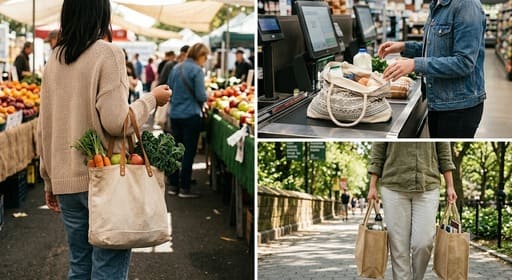
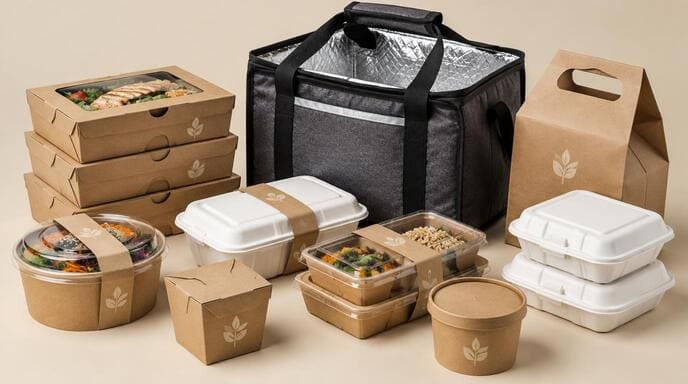
The perception of reusable shopping bags as exclusively for grocery shopping is a significant limitation on their perceived value and utility. In reality, these versatile items are increasingly becoming standard in many other sectors. Fashion boutiques and cosmetic stores use stylish, branded reusable bags as part of the customer's shopping experience, enhancing brand perception. Restaurants and food delivery services utilize insulated or specially designed reusable bags for takeaway and delivery, ensuring food quality and offering a sustainable alternative to disposable containers. At trade shows, conferences, and events, custom-printed reusable bags serve as popular giveaway items, carrying promotional materials and acting as walking advertisements. Businesses also use them as corporate gifts or branded merchandise. For individuals, they are perfect for carrying gym clothes, beach essentials, books, or organizing items during travel. Essentially, a well-designed reusable bag is a multi-purpose carrier, adaptable to countless situations beyond just purchasing groceries. Its adaptability makes it a valuable asset for both consumers and businesses looking for practical, reusable solutions.
Conclusion
Reusable bags offer many benefits, but understanding their true environmental impact and value requires looking beyond surface-level assumptions about materials and usage.