Skip to content
Navigating the world of recyclable shopping bag materials can be confusing, with many options claiming environmental benefits. The problem arises when a bag's material, while seemingly eco-friendly, isn't easily processed by local recycling facilities, leading to it ending up in landfill anyway. Understanding material composition is key to making truly sustainable choices.
The most recyclable shopping bag materials are typically those made from a single, easily identifiable polymer like paper, Polypropylene (PP), or Polyester (PET/RPET), which have established recycling streams. However, the effectiveness of recycling also depends heavily on local infrastructure, the presence of coatings, inks, or mixed materials, and the bag's overall design.
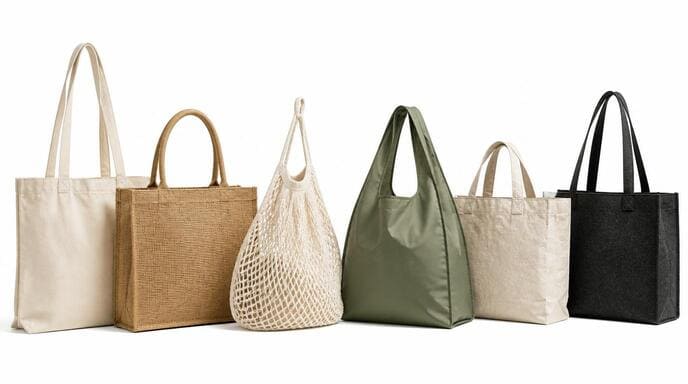
Choosing the right reusable shopping bags involves more than just checking a recycling symbol. The material's inherent properties, combined with the global and local recycling infrastructure, determine its true environmental footprint. Understanding these nuances is crucial for businesses and consumers alike seeking to minimize waste.
Comparing the Recyclability of Common Shopping Bag Materials?
The market offers a wide array of shopping bags, each made from different materials, leading to confusion about their actual environmental impact. Consumers and businesses often struggle to identify which recyclable shopping bag materials genuinely contribute to a circular economy and which might offer a false sense of sustainability.
The recyclability of common shopping bag materials varies significantly based on their composition and the availability of specialized recycling processes. While paper, PP non-woven, and RPET polyester generally offer high recyclability potential due to established streams, materials like nylon, cotton, and jute face greater challenges within industrial recycling systems, despite their other environmental benefits.
To make informed decisions, it's essential to break down the recyclability of each material. This involves looking beyond just the primary component and considering the entire structure, including any additives, coatings, or reinforcements that might affect its journey through the recycling process.
Key Factors Influencing Recyclability
Several factors determine how easily a shopping bag can be recycled, moving beyond the material itself to its entire lifecycle and composition.
- Single Material Structure: Bags made from a single type of material are significantly easier to process. When a bag is constructed from 100% PP, 100% PET, or 100% Nylon, it can be readily identified, sorted, and melted down for reprocessing. This contrasts sharply with bags made from mixed fibers or those incorporating multiple material types, which often require complex and costly separation processes that are not widely available.
- Recycling Infrastructure: The material's inherent recyclability is only effective if there are facilities capable of handling it. Factors such as local recycling plant capabilities, municipal sorting systems, and the presence of specific reprocessing technologies play a critical role. Furthermore, market demand for recycled materials influences whether collected items are actually processed. Without adequate infrastructure, even theoretically recyclable materials can end up as waste.
- Additives and Coatings: The presence of additional elements can complicate recycling. For instance, PVC coatings on paper bags or plastic film laminations on non-woven bags can make them difficult or impossible to recycle within standard streams. Similarly, excessive metal components or dense printing can pose challenges for recycling machinery.
The Material Recycling Difficulty Chart
A comparative look at common shopping bag materials reveals varying levels of recyclability and durability. This chart provides a general overview, though specific manufacturing processes can influence outcomes.
| Material | Recycling Difficulty | Recycling Potential | Durability | Notes |
|---|---|---|---|---|
| Paper | ⭐ Easy | High | Medium | Mature recycling streams, but limited reusability and water resistance. |
| PP Non Woven | ⭐⭐ Easy | High | Medium | Single polymer structure, widely processed, cost-effective. |
| RPET Polyester | ⭐⭐ Easy | Very High | High | Made from recycled bottles, strong circular economy potential. |
| Polyester | ⭐⭐⭐ Medium | High | High | Recyclable if 100% polyester; complex structures are harder. |
| Cotton/Canvas | ⭐⭐⭐ Medium | Medium | High | Natural, but industrial recycling faces fiber length and cost issues. |
| Jute | ⭐⭐⭐ Medium | Limited | Medium | Biodegradable, but limited industrial recycling infrastructure. |
| Nylon | ⭐⭐⭐⭐ More Difficult | Medium | Very High | Highly durable, but recycling streams are less common and complex. |
This comparison highlights that while some materials like paper and PP non-woven are relatively easy to recycle due to established processes, others like nylon, despite their exceptional durability, present greater recycling hurdles. The choice of a recyclable bag material often involves balancing ease of recycling with the product's lifespan and intended use.
Are PP Non Woven Bags a Highly Recyclable Shopping Bag Material?
Polypropylene (PP) non-woven fabric is a ubiquitous material in the modern shopping bag industry, favored for its versatility and cost-effectiveness. However, its environmental credentials, particularly its recyclability, often come into question by consumers seeking genuinely sustainable shopping bags.
PP non-woven bags are considered a highly recyclable plastic shopping bag material primarily because they consist of a single type of plastic (polypropylene). This simplifies the sorting and reprocessing stages in recycling facilities, and mature technologies exist for their remelting and reuse.
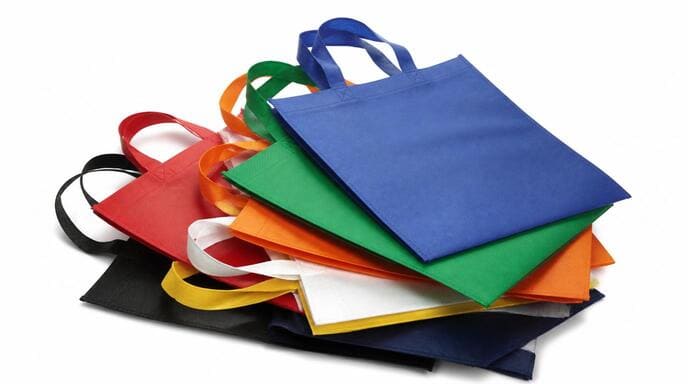
The widespread adoption of PP non-woven for non woven shopping bags is driven by a combination of functional and economic factors. Understanding its recyclability involves looking at both its inherent properties and the manufacturing nuances that can either enhance or detract from its environmental profile.
Understanding PP's Recyclability
Polypropylene's status as a widely recyclable material stems from several key advantages that align well with existing recycling infrastructures.
- Single Plastic Structure: The core benefit of PP non-woven is its composition. As a singular polymer, it avoids the complex separation required for blended materials. This makes it compatible with many plastic recycling streams, particularly those equipped to handle polyolefins.
- Mature Recycling Technologies: The technology for collecting, cleaning, shredding, and remelting PP is well-established. This means that when PP non-woven bags are collected and sorted correctly, they can be efficiently transformed into new products, contributing to a circular economy.
- Cost-Effectiveness for Bulk Production: PP is relatively inexpensive to produce, making PP non-woven bags an economical choice for mass production. This affordability allows brands to offer reusable shopping bags at competitive price points, encouraging wider adoption over single-use plastic bags.
- Common Applications: These bags are frequently used as everyday shopping bags, grocery bags, and promotional bags, where their durability and printability are highly valued. Their presence in high-volume retail environments means collection and recycling programs are more likely to be established.
Factors Affecting PP Non Woven Bag Recyclability
While the material itself is highly recyclable, certain manufacturing choices and end-of-life conditions can complicate or hinder the recycling process for PP non-woven bags.
- Laminations: Applying a lamination, such as a PVC or PET film, to a PP non-woven bag significantly impacts its recyclability. These films are often used to enhance print quality or provide a barrier, but they create a composite material that is difficult to separate into its constituent polymers. Bags intended for recycling should ideally be free from such coatings.
- Additives and Other Materials: The incorporation of non-PP materials, such as stiffeners, multiple types of inks, or other plastic components, can also complicate recycling. While some inks and additives are compatible with PP recycling, excessive or incompatible substances may require specialized treatment or lead to the bag being downcycled or discarded.
- Printing Coverage: Very high ink coverage or specific types of printing inks can sometimes pose challenges. However, modern recycling facilities are increasingly capable of handling typical printing methods used on PP non-woven bags, especially if the inks are oil-based or water-based and compatible with polypropylene recycling.
Ultimately, for a PP non-woven bag to be effectively recycled, it should ideally be made from 100% PP without complex laminations or excessive non-recyclable additives.
💡 Quick Overview
PP Non Woven Bags are one of the more recyclable shopping bag options because they are made from a single polypropylene polymer structure, which simplifies sorting and recycling. They offer a good balance of affordability, durability, lightweight performance, and reusability, making them suitable for retail shopping bags, promotional bags, grocery bags, and other large-volume reusable packaging applications.
What Makes RPET Bags a Top Recyclable Shopping Bag Material Choice?
In the pursuit of eco friendly shopping bags, recycled materials have gained significant traction. RPET, or recycled polyethylene terephthalate, stands out as a prime example, offering a compelling narrative of waste reduction and resource conservation for sustainable shopping bags.
RPET bags are an excellent choice for a recyclable shopping bag material because they are derived directly from recycled plastic bottles, significantly reducing plastic waste and the demand for virgin PET. Their production process is designed to create a fabric that is both durable and highly recyclable within established PET recycling streams.
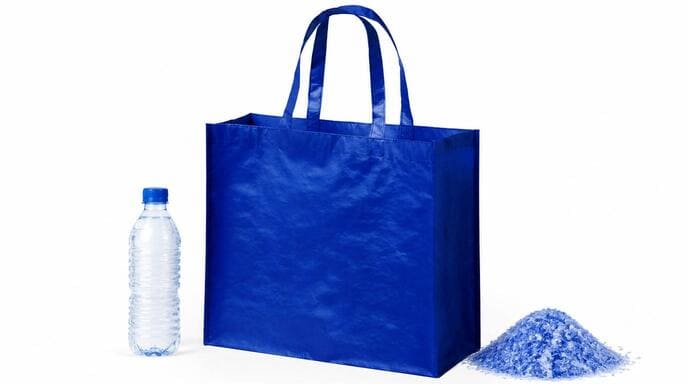
The appeal of RPET lies not only in its recyclability but also in its origin story, which resonates strongly with environmentally conscious consumers and brands. Choosing RPET contributes directly to the circular economy.
The Journey from Bottle to Bag
The transformation of discarded plastic bottles into high-quality RPET fabric involves a meticulous, multi-step process designed to purify and reshape the material.
- Collection and Sorting: Post-consumer plastic bottles, primarily PET, are collected and sorted by type and color. This initial sorting is crucial for ensuring the quality of the final recycled material.
- Cleaning and Crushing: The sorted bottles are thoroughly washed to remove contaminants like labels, caps, and residue. They are then crushed into small flakes for easier processing.
- Recycling and Reprocessing: The cleaned flakes undergo further washing, drying, and melting. The molten plastic is then extruded into fibers or sheets, which can be spun into yarn or woven into fabric. This fabric is known as RPET fabric.
- Fabric Production: The RPET fabric is then used to manufacture various products, including recycled polyester bags.
The advantages of this process are substantial:
- Reduces Plastic Waste: By diverting millions of plastic bottles from landfills and oceans, RPET production directly tackles the global plastic pollution crisis.
- Decreases Virgin PET Usage: Manufacturing RPET requires significantly less energy and fewer fossil fuel resources compared to producing virgin PET from scratch.
- Supports a Circular Economy: RPET embodies the principles of a circular economy by keeping materials in use for longer, transforming waste into valuable new products.
Applications for RPET Bags
RPET fabric is versatile and lends itself well to a range of bag types, making it a popular choice for brands looking to enhance their sustainability profile.
- Eco Friendly Shopping Bags: These are the most common application, providing a durable and environmentally responsible alternative to single-use bags.
- Sustainable Promotional Bags: Brands often opt for RPET bags for promotional events and merchandise, aligning their marketing with eco-conscious values.
- Reusable Tote Bags: The inherent strength and durability of RPET make it ideal for robust tote bags designed for frequent use.
As RPET bags continue to gain popularity, they represent a tangible way for consumers and businesses to participate in plastic recycling and support a more sustainable future.
💡 Quick Overview
RPET Bags are a sustainable choice because they transform recycled PET bottles into durable reusable fabric while supporting a circular economy. With established PET recycling systems and strong environmental benefits, RPET bags help reduce plastic waste, lower reliance on virgin materials, and provide an ideal solution for eco friendly shopping bags, promotional bags, and sustainable brand packaging.
Can Polyester Bags be Considered a Recyclable Shopping Bag Material?
Polyester, particularly polyethylene terephthalate (PET), is a common synthetic material renowned for its durability and versatility. When used in shopping bags, it offers longevity, but its recyclability requires careful consideration of its composition and how it's processed.
Polyester bags, especially those constructed from 100% polyester (which is a type of PET material), can be considered a recyclable shopping bag material. The technology for recycling PET is well-established, allowing these bags to be collected, processed, and repurposed, contributing to sustainability efforts.
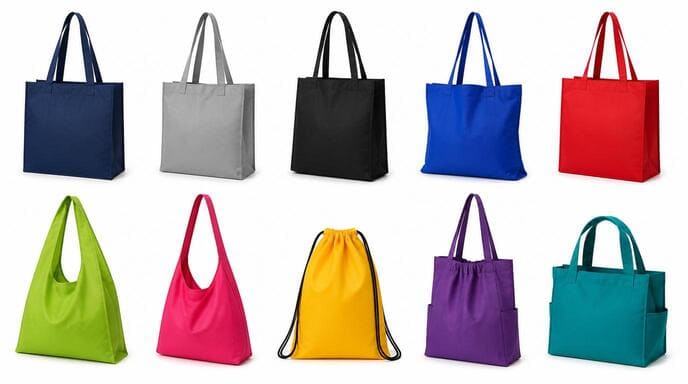
The strength and resilience of polyester make it an attractive option for reusable shopping bags designed for frequent use. Understanding its recycling potential is key to evaluating its overall environmental impact.
Polyester's Strengths and Recycling Potential
Polyester's inherent properties make it a robust material for bags that are intended to last, which is a significant aspect of sustainability in itself.
- High Strength and Durability: Polyester fibers are strong and resistant to stretching and shrinking. This makes polyester bags highly resilient to wear and tear.
- Antimicrobial and Wrinkle Resistant: Polyester bags are less prone to wrinkling and can resist microbial growth, contributing to their longevity and ease of maintenance.
- Long Lifespan: Due to its durability, a polyester bag can replace hundreds of disposable bags over its operational life. This extended usability is a key sustainability benefit, reducing overall consumption and waste.
- Recyclability: When a polyester bag is made entirely from polyester (PET), it can be recycled within PET recycling streams. This process involves collecting, cleaning, shredding, melting, and reforming the material into new products, including more polyester fibers or pellets.
Challenges with Mixed Polyester Structures
While pure polyester bags are recyclable, the complexity of some manufacturing processes can introduce challenges.
- Blended Fabrics: If a polyester bag is blended with other fibers, such as cotton or nylon, it becomes much harder to recycle. These mixed materials often require specialized separation techniques that are not widely available.
- Special Coatings or Laminations: Many polyester bags, especially those designed for specific functions like insulation or water resistance, may feature coatings or laminated layers. These additional materials can complicate the recycling process, potentially making the bag non-recyclable through standard municipal programs. For instance, a waterproof coating might prevent proper repulping or melting.
Therefore, when considering polyester bags as a recyclable bag material, it's crucial to confirm that the product is made from 100% polyester and does not incorporate complicating elements like mixed fibers or extensive coatings. This ensures it can effectively reintegrate into the recycling loop.
💡 Quick Overview
Polyester Bags can be considered recyclable shopping bag materials when they are made from pure polyester without complex blends or coatings. Known for their high strength, wrinkle resistance, and long service life, polyester bags provide excellent durability for reusable shopping bags, outdoor applications, travel bags, and premium promotional packaging.
Is Nylon the Most Recyclable Shopping Bag Material?
Nylon is celebrated for its exceptional strength, durability, and lightweight properties, making it a premium choice for high-performance bags. However, when assessing its position within the spectrum of recyclable shopping bag materials, its recyclability presents a more complex picture compared to common plastics like PP or PET.
While nylon bags are incredibly durable and can offer significant environmental value through extended reuse, nylon itself is generally considered more challenging to recycle than materials like PP or PET. This is due to less common recycling systems specifically designed for nylon and complexities arising from different nylon types and coatings.
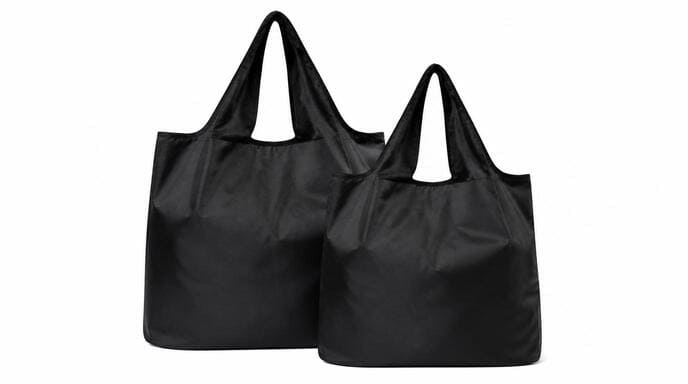
Nylon's widespread use in demanding applications means that its potential for end-of-life recovery is a relevant consideration for those seeking sustainable options, even if it's not always the easiest to recycle.
Why Nylon Recycling is More Complex
The challenges in recycling nylon stem from several interconnected factors related to its production, processing, and the infrastructure available to handle it.
- Recycling Systems Are Less Common: Compared to the well-established recycling infrastructures for PET (used in RPET bags) and PP (used in non-woven bags), dedicated recycling systems for nylon are less prevalent globally. This means that even if a nylon bag is technically recyclable, it might not find its way into a recycling stream.
- Different Nylon Types: There are various types of nylon, most commonly Nylon 6 and Nylon 6,6. These types have different chemical structures and melting points, requiring distinct processing methods. A facility not equipped to handle the specific type of nylon collected may not be able to process it effectively.
- Coatings Affect Recycling: Many high-performance nylon bags incorporate coatings for waterproofing (like PU coating) or durability, or use laminated layers. These additional materials must be separated from the nylon fibers during the recycling process. This separation is often difficult, energy-intensive, and not feasible in standard recycling operations, potentially rendering the bag non-recyclable.
The Durability Advantage: A Different Kind of Sustainability
Despite the challenges in its recycling process, nylon offers a unique environmental benefit through its exceptional durability, which aligns with the "reduce and reuse" philosophy of sustainability.
- Extreme Durability and Longevity: Nylon bags are highly resistant to abrasion, tearing, and moisture. A well-made nylon bag can withstand hundreds, if not thousands, of uses, significantly outlasting many other bag materials.
- Replacement of Disposable Bags: The extended lifespan means a single nylon bag can effectively replace a vast quantity of single-use plastic bags over its lifetime. This reduction in consumption is a primary environmental advantage.
- Overall Environmental Value: While the recycling process for nylon might be more complex, its unparalleled durability contributes substantial environmental value by minimizing the need for frequent replacements and reducing the overall demand for new resources. This makes it a sustainable choice when the primary focus is on long-term reuse.
Therefore, while nylon might not be the easiest recyclable bag material to process in a typical facility, its sheer longevity makes it a strong contender for sustainable shopping bags when considered holistically.
💡 Quick Overview
Nylon Bags are not the easiest materials to recycle due to limited recycling infrastructure and complex processing requirements, but their exceptional strength and long lifespan create significant sustainability value. Their ability to withstand heavy use, abrasion, and outdoor conditions makes them suitable for premium reusable shopping bags, travel bags, and heavy-duty applications where durability is the top priority.
Are Paper Bags the Most Recyclable Shopping Bag Material Option?
Paper bags have long been a familiar sight in retail, often perceived as a more environmentally friendly alternative to plastic. Their widespread availability and biodegradability contribute to this perception, but their recyclability, especially in comparison to other recyclable shopping bag materials, merits a closer look.
Paper bags are generally considered one of the most recyclable shopping bag materials due to the maturity and widespread availability of paper recycling infrastructure. They can be effectively repulped and transformed into new paper products, though certain finishes or coatings can complicate this process.
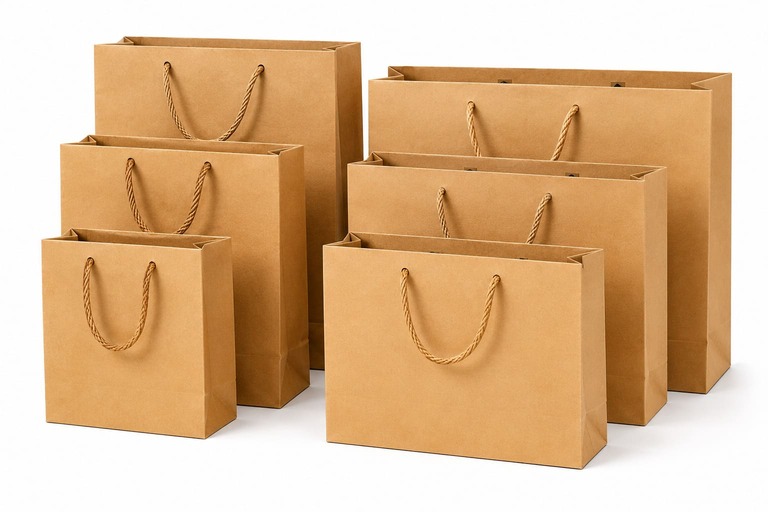
The ease with which paper can be reintegrated into manufacturing cycles makes it a strong candidate for businesses prioritizing simple recycling for their shopping bags.
The Advantages of Paper
Paper's long history and integration into industrial processes provide distinct advantages in terms of recycling.
- Mature Recycling System: The infrastructure for collecting and processing paper waste is well-established in most parts of the world. Municipal recycling programs typically include paper, making it readily accessible for disposal.
- Effective Repulping: Paper fibers can be broken down and reformed into new paper products multiple times. This process is energy-efficient compared to producing virgin paper from trees, and it effectively diverts waste from landfills.
- Good for Retail and Short-Term Use: Paper bags are often preferred for retail packaging and short-term use due to their structural integrity for carrying goods and their perceived eco-friendliness. They serve as excellent carriers for purchases that won't expose them to excessive moisture.
Limitations and Recycling Hindrances
Despite their recycling advantages, paper bags have limitations, and certain manufacturing choices can negatively impact their environmental profile.
- Limited Durability and Reusability: Paper bags are susceptible to moisture and tears, making them less durable than many fabric or plastic alternatives. Their design typically favors single or limited use, which, while recyclable, is less sustainable than highly reusable options.
- Water Resistance Issues: Their susceptibility to water means they are not ideal for all types of retail or food service applications where moisture is a factor, limiting their versatility.
- Laminations Reduce Recyclability: While a plain paper bag is easily recyclable, many paper bags are enhanced with plastic coatings (laminations) for improved strength, water resistance, or a premium appearance. These coatings prevent the paper fibers from being separated and repulped effectively, often requiring them to be sorted as mixed waste or sent to landfill.
For paper bags to truly be a top choice for a recyclable bag material, they should ideally be uncoated and used in scenarios where their limited reusability is offset by their easy recycling.
💡 Quick Overview
Paper Bags are among the easiest shopping bag materials to recycle because they benefit from mature paper recycling systems and simple fiber structures. While they provide excellent recyclability and a natural appearance, their durability and moisture resistance are generally lower compared with reusable fabric alternatives, making them ideal for retail packaging, gift bags, and short-term shopping applications.
How Do Cotton and Jute Compare as Recyclable Shopping Bag Materials?
Natural fiber bags, such as those made from cotton (often referred to as canvas bags) and jute, are frequently promoted as highly sustainable options due to their origin from renewable resources and biodegradability. However, their place among the most recyclable shopping bag materials requires a closer look at industrial recycling processes.
While cotton and jute bags are made from natural, biodegradable fibers and are excellent for reuse, their industrial recycling processes are more complex and less common than those for paper or plastics like PP and PET. Their environmental value often lies more in their durability and biodegradability than in widespread, efficient industrial recycling.
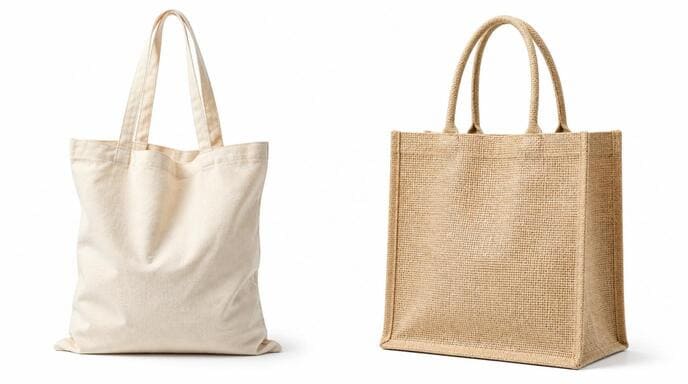
These materials appeal to consumers seeking a tactile, natural feel and a strong commitment to eco-friendliness, but their end-of-life journey differs significantly from synthetics or paper.
Cotton/Canvas Bags: Natural Fiber, Complex Recycling
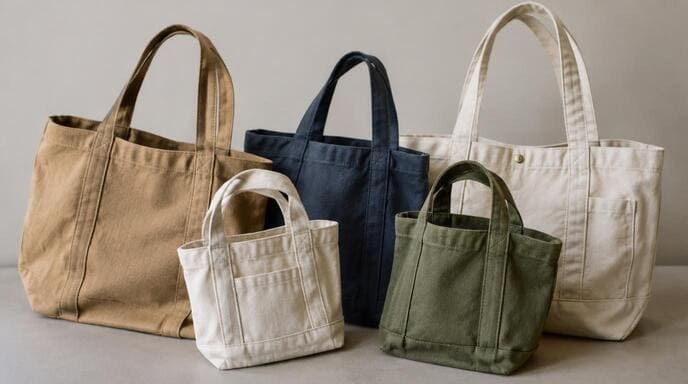
Cotton is a widely recognized natural fiber, making cotton tote bags a popular choice for eco friendly shopping bags.
- Natural and Biodegradable: Cotton is a renewable resource and fully biodegradable under appropriate conditions.
- Reusable: Cotton canvas bags are generally durable and can be reused numerous times, making them a sustainable alternative to single-use options.
- Recycling Limitations: The primary challenge with recycling cotton lies in the processing. When cotton fibers are recycled, their length often decreases, making them less suitable for high-quality textiles. Furthermore, the industrial processes for collecting and reprocessing cotton waste into new, high-value products can be costly and are not as widespread as those for plastics or paper. While textile recycling is growing, it's not as integrated into mainstream waste management for shopping bags as other materials.
Jute Bags: Biodegradable but Limited Industrial Reach
Jute, often called the "golden fiber," is another natural, renewable resource that lends itself to durable bag construction.
- Naturally Biodegradable: Jute is highly biodegradable and compostable, making it an excellent choice for minimizing long-term environmental impact.
- Durable: Jute bags are known for their strength and ability to carry heavy loads, making them suitable for grocery shopping and other demanding uses.
- Limited Industrial Recycling: Similar to cotton, the industrial recycling infrastructure for jute is not as developed as for paper or synthetic fibers. While jute can be broken down and potentially reprocessed, the scale and efficiency of these operations are limited. Its primary environmental advantage often comes from its biodegradability and reusability rather than widespread industrial recycling.
For both cotton and jute, their primary sustainable attributes lie in their renewable sourcing, biodegradability, and capacity for repeated use. While they are natural materials, their integration into the current industrial recyclable bag materials framework is less seamless than that of paper or single-polymer plastics.
💡 Quick Overview
Cotton and Jute Bags offer strong sustainability advantages through renewable sourcing, biodegradability, and excellent reusability rather than large-scale industrial recycling. These natural fiber bags provide a premium eco-friendly appearance and strong durability, making them popular choices for tote bags, promotional bags, lifestyle packaging, and environmentally conscious brands.
Ranking the Recyclability of Shopping Bag Materials
Synthesizing the information on material composition, processing challenges, and available infrastructure allows for a practical ranking of common shopping bag materials based on their ease of recycling. This helps businesses and consumers prioritize choices that align with circular economy principles.
Based on established recycling infrastructure and material simplicity, paper and PP non-woven bags generally rank highest for ease of recycling. They are followed closely by RPET and polyester, which are recyclable within specific streams. Natural fibers like cotton and jute, and especially nylon, present greater challenges due to less common recycling systems or complex processing requirements.
This ranking emphasizes that "recyclable" is not a universal status. It depends heavily on whether the necessary systems and technologies are in place to process the material effectively.
The Recyclability Friendliness Ranking Explained
This ranking considers how readily a material can be processed within typical recycling streams, prioritizing simplicity and widespread availability of recycling facilities.
- Paper Bags ⭐⭐⭐⭐⭐: Paper boasts the most mature and widespread recycling system globally. It can be repulped efficiently and repeatedly, making it very easy to recycle when free from plastic coatings.
- PP Non Woven Bags ⭐⭐⭐⭐☆: As a single-type plastic, PP non-woven is widely accepted in many plastic recycling programs. Technologies for its remelting and reuse are common, making it one of the most straightforward plastic shopping bags to recycle.
- RPET Bags ⭐⭐⭐⭐☆: Made from recycled PET bottles, RPET fabric is designed to be recyclable within existing PET streams. It offers the dual benefit of being made from recycled content and being recyclable itself, supporting a strong circular economy loop.
- Polyester Bags ⭐⭐⭐☆☆: 100% polyester bags are recyclable within PET streams. However, if blended with other fibers or treated with complex coatings, their recyclability can be significantly reduced, placing them lower than pure RPET or PP.
- Cotton/Canvas Bags ⭐⭐⭐☆☆: These natural fibers are biodegradable and reusable, but their industrial recycling is complex. Fiber length reduction and high processing costs mean they are less frequently recycled into new bags compared to paper or plastics.
- Jute Bags ⭐⭐⭐☆☆: Similar to cotton, jute is biodegradable and reusable. However, its industrial recycling infrastructure is limited, making it less easy to recycle on a large scale than materials with more established streams.
- Nylon Bags ⭐⭐☆☆☆: Nylon's primary advantage is its extreme durability, leading to long life and reduced consumption. However, dedicated recycling systems are less common, and variations in nylon types and coatings add significant complexity to processing, making it the most challenging to recycle among these common materials.
This ranking underscores that while durability and reusability are critical aspects of sustainability, the ease of material processing in existing recycling systems is a significant factor in determining a bag's overall "recyclability."
💡 Quick Overview
The recyclability of shopping bag materials depends on more than just the material itself. Factors such as material purity, recycling infrastructure, coatings, and product design all influence end-of-life performance. Paper and PP Non Woven Bags generally offer easier recycling options, while RPET and polyester provide strong circular economy benefits, and materials like nylon, cotton, and jute deliver sustainability mainly through long-term reuse.
Choosing the Right Recyclable Shopping Bag Material for Your Needs
Selecting the ideal recyclable shopping bag material involves balancing various factors, from environmental impact and recyclability to cost, durability, and specific application needs. There isn't a single "best" material for every scenario; instead, the optimal choice depends on a business's unique requirements and sustainability goals.
The best choice for a recyclable shopping bag material hinges on a blend of recyclability, durability, cost, and intended use. While paper and PP non-woven are often easiest to recycle, RPET and polyester offer strong sustainability credentials, and even highly durable materials like nylon provide environmental value through extensive reuse, making a holistic assessment crucial.
Manufacturers like Zhejiang Jiarong Packaging Co., Ltd. offer a diverse range of custom shopping bags, enabling businesses to select materials that best align with their brand values and operational needs, whether prioritizing ease of recycling or maximizing lifespan.
Matching Material to Purpose
Understanding the strengths of each material helps in making an informed selection:
- Choose PP Non Woven Bags If:
- You need cost-effective, durable reusable shopping bags for frequent use.
- Your orders are for large volumes, typical for promotional campaigns or retail branding.
- You require a good balance of affordability and reusability.
- Choose RPET Bags If:
- Sustainability and using recycled content are top priorities for your brand.
- You want to leverage a compelling "recycled material story" for marketing.
- Your target audience is environmentally conscious and values traceable eco-friendly products.
- Choose Polyester Bags If:
- High durability and resistance to stretching, shrinking, and wrinkles are essential.
- The bags are intended for outdoor use, travel, or applications requiring robust performance.
- Choose Nylon Bags If:
- Maximum lifespan and extreme durability are paramount.
- You need a premium feel, exceptional strength, and high resistance to wear and tear.
- The bag will be subjected to heavy use over many years.
- Choose Paper Bags If:
- You require convenient retail packaging for short-term use.
- Immediate and widespread recyclability is a primary concern for your customers.
- The contents are not susceptible to moisture damage.
Beyond Recycling: A Holistic View of Sustainability
It is crucial to remember that recycling is just one part of the sustainability equation. The principles of "reduce, reuse, recycle" suggest that minimizing consumption and maximizing the lifespan of products are equally, if not more, important. A high-quality, durable bag made from nylon or canvas, reused hundreds of times, may ultimately have a lower environmental impact than a less durable bag that is recycled after only a few uses.
For businesses exploring custom shopping bags, partnering with experienced manufacturers like Zhejiang Jiarong Packaging Co., Ltd. is key. With over 11 years of OEM/ODM experience, Jiarong Packaging can help navigate these material choices, offering a wide range of eco friendly shopping bags and providing solutions that balance recyclability, durability, cost, and your specific branding requirements, ensuring a truly sustainable packaging choice.
💡 Quick Overview
Choosing the right recyclable shopping bag material requires balancing recyclability, durability, cost, and application needs. PP Non Woven Bags are suitable for cost-effective bulk orders, RPET Bags are ideal for brands focusing on recycled content and sustainability, polyester and nylon offer premium durability, while paper bags remain a practical choice when easy recycling and short-term use are the main priorities.
Frequently Asked Questions
What is the most common recyclable shopping bag material?
The most commonly and easily recyclable shopping bag materials are typically paper and PP non-woven plastic. Paper benefits from a very mature recycling infrastructure, while PP's single-polymer structure makes it readily accepted in many plastic recycling streams.
Are all non-woven bags equally recyclable?
No, not all non-woven bags are equally recyclable. While PP non-woven bags are highly recyclable due to their single-material composition, non-woven bags made from blended materials or those with significant plastic laminations or coatings can be difficult or impossible to recycle.
Can shopping bags with logos be recycled?
Yes, shopping bags with logos can generally be recycled, provided the logo printing does not significantly alter the material's recyclability. Most standard inks used for printing on paper, PP, or PET are compatible with recycling processes. However, excessive ink coverage or certain specialized inks could pose challenges.
How does the 'recycled' aspect of RPET bags impact their recyclability?
RPET bags are made from recycled PET bottles, which is a significant sustainability benefit. The RPET material itself is typically designed to be recyclable within existing PET recycling streams, meaning it can be collected, processed, and turned into new products, often including more RPET fabric, thus closing the loop.
What are the main challenges in recycling shopping bags?
The main challenges include complex material compositions (blends, laminations, coatings), the lack of widespread specialized recycling infrastructure for certain materials like nylon, contamination from food or other waste, and insufficient sorting capabilities at recycling facilities.
Conclusion
Choosing the right recyclable shopping bag material is a critical step for businesses aiming to enhance their sustainability profile. Materials like paper, PP non-woven, RPET, and polyester offer good to excellent recyclability due to simple composition and established processing streams. However, it's vital to look beyond just recyclability; the durability and reusability of a bag contribute significantly to its overall environmental value. A non woven shopping bag or a robust RPET bag that is reused hundreds of times can often be more environmentally beneficial than a material that is easily recycled but has a very short lifespan.
Ultimately, the best sustainable shopping bags are those that align with your specific usage scenario, budget, and brand ethos, while also considering the end-of-life options. We invite you to contact Zhejiang Jiarong Packaging Co., Ltd. to explore our range of custom shopping bags and discover how we can help you create durable, eco-friendly packaging solutions that meet your business needs and environmental goals.