Skip to content
Many people assume that choosing reusable shopping bags is a straightforward way to be more environmentally conscious. However, the reality behind their "green" credentials, quality, and longevity is often more complex than it seems. Understanding these nuances is key to making truly sustainable choices. Let's debunk some common myths surrounding reusable shopping bags.
The true environmental impact, durability, and usability of reusable shopping bags depend on a variety of factors, including their material composition, manufacturing process, frequency of use, and disposal methods. Simply being labeled "reusable" does not automatically guarantee superior sustainability or performance compared to single-use alternatives.
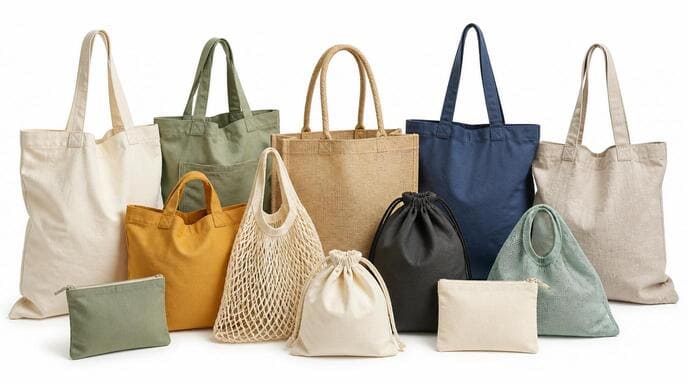
Navigating the world of reusable bags can feel overwhelming with so many options and claims. By addressing these common misconceptions, we can gain clarity and make more informed decisions that genuinely benefit both our businesses and the planet.
Are Reusable Shopping Bags Always More Environmentally Friendly?
It's a common belief that any bag you can reuse is automatically better for the environment than a single-use option. This simplification overlooks critical aspects of a bag's lifecycle.
The environmental advantage of reusable shopping bags isn't inherent; it's earned through consistent use and depends heavily on the materials used, how they are produced, and how they are disposed of at the end of their life. Not all reusable bags offer the same level of ecological benefit.
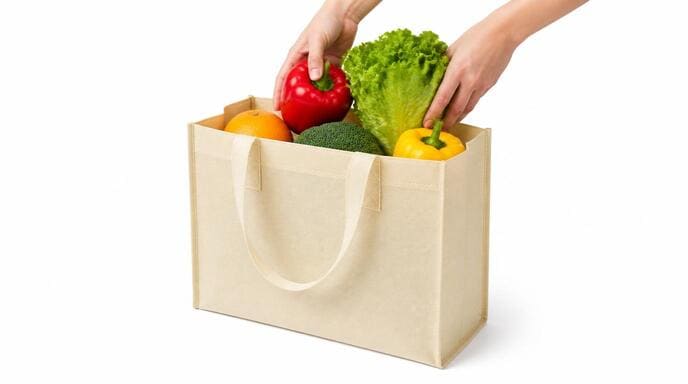
Understanding Lifecycle Assessments
When we talk about the environmental friendliness of shopping bags, we need to consider their entire lifecycle: from raw material extraction and manufacturing to transportation, usage, and eventual disposal or recycling. This is known as a lifecycle assessment (LCA). Different materials have vastly different impacts at each stage. For instance, producing cotton tote bags requires significant amounts of water and pesticides, meaning they need to be used many hundreds of times to become more sustainable than a plastic bag. Non-woven PP bags, while made from petroleum, require fewer uses (often cited between 50-100) to break even environmentally compared to single-use plastic bags. The key takeaway is that usage frequency is paramount. A reusable bag that ends up in a landfill after only a few uses might actually have a larger environmental footprint than you think. We also need to consider the energy and emissions involved in manufacturing processes, including printing inks and transportation. Opting for eco friendly shopping bags means looking beyond just the "reusable" label and examining the material and production story.
💡 Quick Tip: Choose Reusable Bags Based on Their Full Lifecycle
A reusable shopping bag is not automatically sustainable just because it can be used multiple times. When choosing eco friendly shopping bags, consider the material, production process, expected usage frequency, and end-of-life recycling options. A durable bag that is reused many times usually creates more environmental value than a low-quality bag that is quickly discarded.
Does a Higher Price Guarantee Better Quality in Reusable Bags?
We often associate higher price tags with superior quality. This is a common heuristic in consumer behavior, but when it comes to shopping bags, this assumption can be misleading.
A higher price point for reusable shopping bags does not automatically equate to better quality or durability. Factors such as brand positioning, complex supply chains, and premium packaging can inflate costs, while essential quality metrics like material strength and construction integrity are far more important indicators.
Beyond the Price Tag: What Defines Quality
The price of a shopping bag can be influenced by numerous elements unrelated to its intrinsic quality. Imagine a bag sold through multiple distributors and retailers; each intermediary adds their margin, significantly increasing the final cost without enhancing the bag itself. Brand prestige can also command a premium, as can elaborate packaging or unique design elements. However, when evaluating the true value of a shopping bag, it's essential to focus on tangible quality indicators. These include the grade and thickness (measured in GSM – grams per square meter) of the fabric, the robustness of the handles, the strength and neatness of the stitching or ultrasonic welding, and the bag's overall load-bearing performance. A custom shopping bag sourced directly from a reliable shopping bag manufacturer, for example, can offer exceptional value. By cutting out unnecessary middlemen and focusing on manufacturing excellence, such suppliers can deliver consistent quality, durability, and performance at a more competitive price, making them ideal partners for wholesale shopping bags.
💡 Quick Tip: Quality Matters More Than Price
The price of a reusable shopping bag does not always reflect its actual quality. For wholesale buyers, focus on measurable factors such as fabric GSM, handle reinforcement, printing quality, production method, and supplier experience. Working directly with a reliable shopping bag manufacturer can often provide better value and consistent quality.
Do Thicker Reusable Bags Always Carry More Weight?
When you need a sturdy bag, thickness often comes to mind first. It seems intuitive that a thicker material would naturally be stronger. However, the strength of a shopping bag is a result of multiple contributing factors, not just its thickness.
While material thickness (GSM) is a significant factor in a bag's strength, it is not the sole determinant of its weight-carrying capacity. The inherent strength of the fabric material, the design and reinforcement of the handles, and the quality of the construction method (like sewing or ultrasonic welding) are equally crucial.
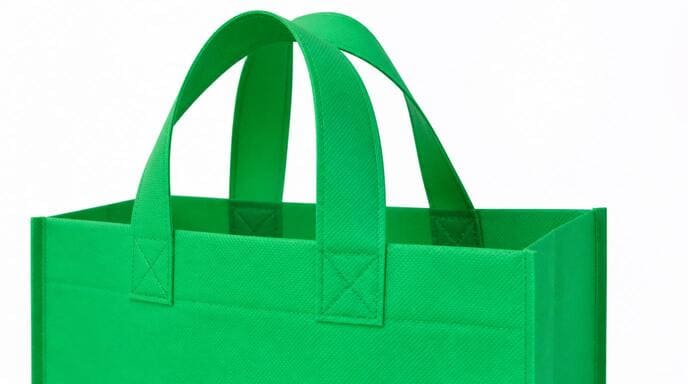
Components of Strength
A thicker non-woven fabric generally offers better durability and a higher potential load capacity. However, a bag made from a slightly thinner but higher-quality material might outperform a thicker, lower-quality alternative. Consider the fabric's tensile strength and resistance to tearing. Equally important are the handles. Are they made from the same durable material? Are they securely attached with strong stitching or reinforced with additional layers? A poorly attached handle, even on a thick bag, is a point of failure. The method of construction also plays a vital role. Ultrasonic welding, commonly used for non-woven bags, creates a strong, seamless bond. High-quality sewing, especially with reinforced stitches like X-stitching, ensures handles can withstand significant strain. Furthermore, bottom gussets and reinforcements can distribute weight more effectively, preventing sagging and tearing, especially when carrying heavier items like multiple bottles or books. Therefore, a high GSM PP non-woven bag with robust, reinforced handles and solid construction can indeed handle more weight than a seemingly thicker but less well-engineered bag.
💡 Quick Tip: Strength Comes From Design, Not Thickness Alone
A stronger shopping bag depends on multiple factors, including material quality, handle structure, stitching or ultrasonic welding, and reinforcement design. A well-designed non woven shopping bag with proper construction can outperform a thicker but poorly manufactured bag.
Are All Reusable Shopping Bags Waterproof?
You've likely experienced the slight panic of rain starting while your groceries are in your reusable bags. While many reusable bags offer some protection, the term "waterproof" is often misunderstood in this context.
Most reusable shopping bags possess a degree of water resistance or basic moisture protection, but very few are completely waterproof. Materials like plain non-woven polypropylene offer minimal defense against moisture, while laminated versions provide enhanced protection, though true waterproofing typically requires specialized materials or coatings.
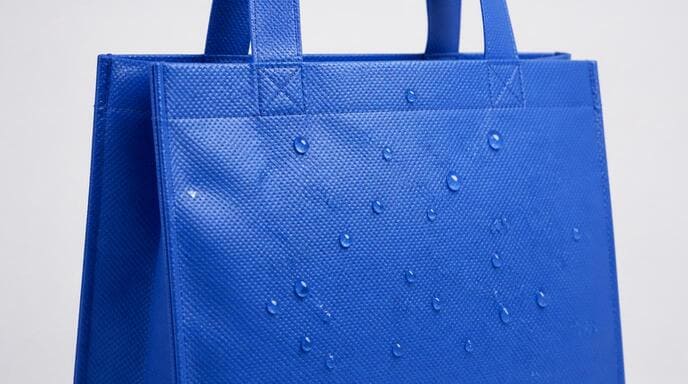
Understanding Water Resistance Levels
It's crucial to distinguish between water-resistant and waterproof. A water-resistant bag will repel light rain or spills for a limited time, allowing water droplets to bead up and roll off the surface. This is common for laminated non-woven shopping bags, where a thin film of plastic is applied over the fabric, creating a barrier. Plain non-woven bags offer basic moisture resistance, meaning they won't immediately soak through from light condensation or a minor splash, but they are not designed to withstand significant water exposure. Materials like cotton or canvas, while natural, are absorbent and will soak through quickly unless treated with a water-repellent coating. For applications demanding full waterproofing—such as carrying frozen foods, delicate electronics, or during outdoor excursions where heavy rain is expected—you would need bags specifically designed for this purpose, potentially made from materials like coated polyester or PVC. When selecting eco friendly shopping bags, consider the intended use and choose a material and construction that provides the necessary level of protection.
💡 Quick Tip: Understand Water Resistance Before Choosing a Bag
Most reusable shopping bags are water-resistant rather than completely waterproof. Laminated non woven bags provide better moisture protection, while fully waterproof applications may require coated fabrics or specialized materials. Always match the bag material with the intended usage environment.
Do Reusable Bags Not Need Special Care?
The very definition of "reusable" implies durability and longevity, leading some to believe these bags can withstand neglect. However, like any product intended for repeated use, reusable shopping bags benefit significantly from proper maintenance.
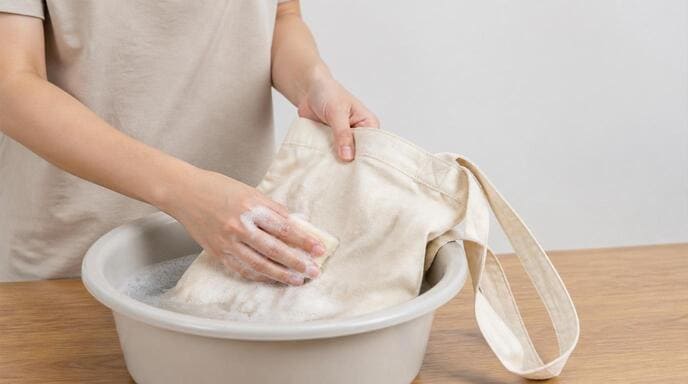
Reusable shopping bags absolutely benefit from proper care. Regular cleaning, correct drying methods, and mindful storage can significantly extend their lifespan, keeping them hygienic, presentable, and functional for countless uses. Neglecting care can lead to premature wear, staining, and potential material degradation.
Extending the Life of Your Bags
To maximize the value and sustainability of your reusable bags, incorporating them into your cleaning routine is essential. For non-woven PP bags, spot cleaning with a damp cloth and mild detergent is often sufficient for minor spills or dirt. Avoid harsh chemicals or abrasive cleaners, which can damage the material or printing. If a deeper clean is needed, some non-woven bags can be hand-washed gently in cool water and air-dried completely. Cotton or canvas bags can typically be machine washed on a gentle cycle with cold water, but always check the care label first, as some may shrink or fade. It's crucial to ensure bags are thoroughly dry before storing them to prevent mold and mildew growth. Avoid high heat drying unless specifically recommended, as it can warp or melt synthetic materials. Proper storage is also key; folding them neatly or hanging them in a cool, dry place prevents them from becoming excessively creased or damaged. By following these simple steps, your sustainable shopping bags will remain in excellent condition for years.
💡 Quick Tip: Proper Care Extends Bag Lifespan
Reusable does not mean maintenance-free. Regular cleaning, complete drying, and proper storage can help maintain the appearance, strength, and usability of reusable shopping bags, allowing them to deliver value over a longer period.
Are All Reusable Shopping Bags Easy to Recycle?
While the goal of reusable bags is to reduce single-use waste, their end-of-life scenario is an important consideration for true sustainability. The ease with which a bag can be recycled varies dramatically depending on its construction.
The recyclability of reusable shopping bags is highly dependent on their material composition. Single-material bags, such as those made purely from PP non-woven fabric, are generally easier for recycling facilities to process. In contrast, bags constructed from multiple layers or composite materials present significant recycling challenges.
Material Matters in Recycling
Recycling relies on sorting materials based on their composition. Bags made from a single type of plastic, like PP (Polypropylene, recycling code #5), are straightforward to identify and reprocess. These non-woven bags can often be collected through municipal recycling programs or specialized textile recycling initiatives. However, many reusable bags are made using laminated materials—where a layer of plastic film is bonded to the fabric—or incorporate other elements like zippers, metal handles, or mixed fibers. These composite structures are difficult, if not impossible, for standard recycling machinery to separate. The different materials often melt at different temperatures or contaminate the recycling stream. Consequently, laminated bags, mixed fabric bags, or those with non-recyclable components frequently end up in landfills or incinerators, despite their reusable nature. When selecting eco friendly shopping bags, it’s wise to consider not only their durability and reusability but also their potential for being recycled at the end of their long service life.
💡 Quick Tip: Single Material Bags Are Easier to Recycle
When sustainability is a priority, material selection matters. Single-material PP non woven bags are generally easier to recycle compared with laminated or mixed-material bags. Choosing recyclable materials at the beginning helps reduce environmental impact at the end of the bag’s lifecycle.
Are Reusable Bags Only for Grocery Shopping?
When most people think of reusable bags, their minds often go straight to the supermarket. This association is strong, but it significantly underestimates the versatility and widespread application of these indispensable items.
Reusable shopping bags have transcended their origins as mere grocery carriers. They are now integral tools across a vast spectrum of industries, serving effectively in retail stores, fashion boutiques, trade shows, corporate promotional events, and as sophisticated gift packaging solutions.
Beyond the Checkout Counter
The modern reusable bag is a powerful marketing and branding tool. Retail businesses often use custom shopping bags to enhance the customer experience, providing a durable and stylish way for patrons to carry their purchases. Fashion brands, in particular, use beautifully designed reusable bags as an extension of their brand identity, sometimes even as a product in themselves. At trade shows and corporate events, promotional shopping bags are handed out filled with literature and samples, acting as mobile billboards for the sponsoring organization. They are also frequently used for gift packaging, offering a more sustainable and aesthetically pleasing alternative to disposable wrapping paper. Whether it's for product launches, employee appreciation, or event merchandise, custom reusable shopping bags offer a practical and visible way to increase brand awareness and provide tangible value to recipients. Their utility extends far beyond the weekly shop, making them a versatile asset for almost any business.
💡 Quick Tip: Reusable Shopping Bags Are Also Branding Tools
Modern reusable shopping bags are not limited to supermarkets. Custom shopping bags can support retail branding, promotional campaigns, trade shows, and gift packaging by providing businesses with a practical marketing tool that customers continue to use.
Does One Type of Reusable Bag Fit Every Business?
The sheer variety of reusable bags available can be overwhelming, leading to the tempting, yet inaccurate, assumption that a single type might suffice for all business needs. This couldn't be further from the truth.
A one-size-fits-all strategy is ineffective when selecting reusable shopping bags. The optimal choice hinges on a specific business's context, including the intended application, target audience, desired brand image, budget constraints, and overarching sustainability objectives, necessitating a tailored approach for maximum impact and utility.
Matching Bags to Business Needs
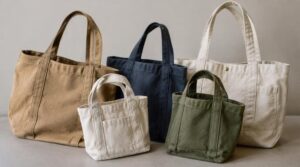
Choosing the right reusable shopping bag is about aligning the bag's characteristics with your specific requirements. For instance, supermarket shopping often benefits from sturdy, high-capacity non-woven or woven PP bags that can withstand heavy loads. Fashion retailers might opt for premium paper bags with elegant finishes or sophisticated non-woven bags that complement their brand's aesthetic. For promotional events where distribution is high and budget is a concern, lightweight, cost-effective reusable bags are ideal. When durability and load-bearing capacity are paramount, such as for carrying tools or multiple heavy items, reinforced woven bags are a superior choice. Luxury brands might select custom bags made from high-end materials like thick cotton canvas, RPET, or specialty paper, often featuring intricate printing and premium finishes.
Here’s a quick guide to help you decide:
| Application | Recommended Bag Type | Key Considerations |
|---|---|---|
| Supermarket Shopping | Non-woven PP, Woven PP | Durability, load capacity, cost-effectiveness |
| Fashion Retail | Premium Paper, Laminated Non-woven, RPET | Brand image, aesthetic appeal, print quality |
| Promotional Events | Lightweight Non-woven, Cotton Canvas | Cost, portability, print space, ease of distribution |
| Heavy Products/Groceries | Woven PP, Reinforced Non-woven | Strength, handle durability, material thickness (GSM) |
| Luxury Gifts/Packaging | Specialty Paper, Cotton Canvas, RPET | Premium feel, unique design, high-quality printing |
Ultimately, understanding your product weight, brand message, expected usage frequency, budget, and sustainability goals is crucial. Consulting with a knowledgeable shopping bag manufacturer can provide invaluable insights and help you source custom reusable shopping bags that perfectly meet your unique needs.
💡 Quick Tip: Select Bags Based on Your Business Needs
There is no universal best reusable shopping bag. The right choice depends on product weight, application, budget, branding goals, and expected usage frequency. Businesses should select materials and designs based on their specific requirements rather than choosing a standard option for every situation.
Frequently Asked Questions
How often do I need to use a non-woven PP bag to make it environmentally friendly?
Typically, a non-woven PP bag needs to be used around 50-100 times to offset its initial environmental footprint compared to a single-use plastic bag, depending on the specific production and disposal factors. Consistent reuse is key to realizing its sustainability benefits.
Can I wash my laminated non-woven shopping bags?
While laminated non-woven bags offer good water resistance, they are generally not machine washable. Spot cleaning with a damp cloth and mild soap is usually recommended to preserve the lamination and prevent damage to the material and print.
What's the difference between non-woven and woven PP bags?
Non-woven PP bags are made by bonding fibers together using heat or chemicals, offering a smooth surface ideal for detailed printing. Woven PP bags are created by interlacing yarns, forming a stronger, more durable fabric often used for heavy-duty applications like sacks or tarps.
How can I find a reliable supplier for custom reusable shopping bags?
Look for manufacturers with relevant certifications (like ISO, BSCI), a strong track record of quality and delivery, transparent communication, and the ability to provide excellent samples. Direct sourcing from a reputable shopping bag manufacturer often ensures better quality control and value for your custom reusable shopping bags.
Conclusion
Demystifying the world of reusable shopping bags reveals that their true value lies not just in their reusability, but in a complex interplay of materials, manufacturing, and usage habits. We've explored how factors like material choice, production impact, number of uses, and end-of-life recyclability dictate their environmental friendliness. We've also seen that price doesn't always equate to quality, thickness isn't the sole measure of strength, and not all reusable bags offer the same level of water resistance or recyclability. Understanding these nuances is vital for making truly sustainable choices. Whether for grocery runs, retail branding, or promotional giveaways, selecting the right type of reusable shopping bag for your specific needs ensures both functionality and genuine ecological benefit.
Ready to find the perfect, sustainable shopping bag solution for your business? Contact us today to explore our range of custom reusable shopping bags and discover how we can help you achieve your branding and sustainability goals.
🌱 Final Takeaway: Choose Reusable Shopping Bags Strategically
The best reusable shopping bag is not simply the cheapest, thickest, or most expensive option. A truly valuable bag balances durability, material performance, sustainability, cost efficiency, and business requirements. By understanding these factors, companies can choose custom reusable shopping bags that deliver long-term value for both customers and the environment.