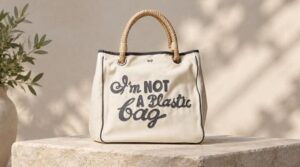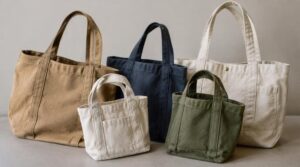
Many people call them "eco bags" and assume they vanish naturally. But is this really true? I often hear confusion about whether these popular bags can break down on their own. Let's clear up this important question.
Standard non-woven bags, typically made from PP, are not biodegradable. Their "eco-friendly" status comes from their reusability, not their ability to decompose in nature. They are designed to be used many times, reducing reliance on single-use plastics.
The idea that these bags are simply "eco" and will disappear is a common one, but it overlooks the real reasons they are beneficial. Understanding what they're made of and how they function is key to appreciating their environmental role.
What Is a Non Woven Bag Made Of?
When we talk about "non-woven," what material are we actually handling? People see a fabric-like texture and often assume it's natural. This assumption leads to many misconceptions we need to address head-on.
Most non-woven bags are made from polypropylene (PP), a type of plastic. The material is formed by bonding plastic fibers together, not by weaving threads like traditional cloth. It's a synthetic, not a natural, fiber.
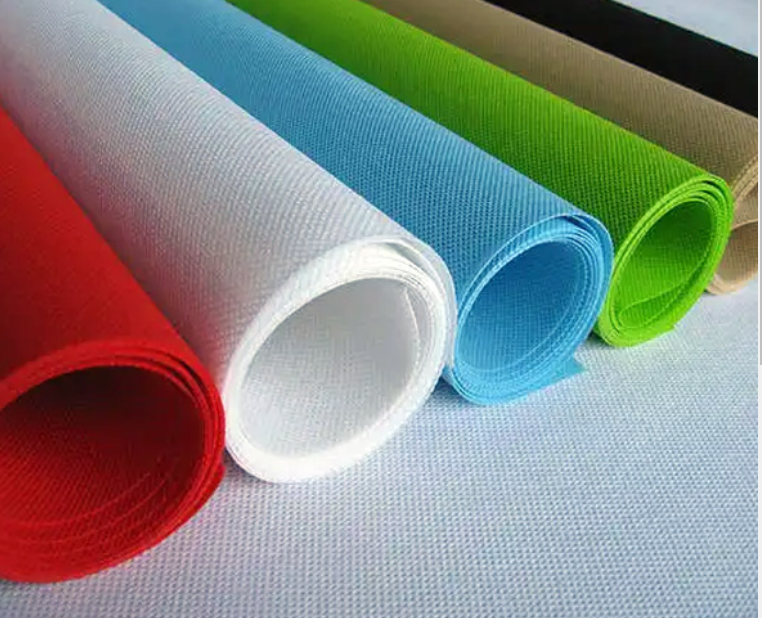
When I first started in the packaging world, I encountered this confusion frequently. People would see a bag that looked and felt somewhat like cloth and immediately think, "Ah, natural fibers, like cotton or linen." But that's not the case with typical non-woven bags. They are primarily constructed from polypropylene, or PP. This material is a thermoplastic polymer, meaning it can be melted and reformed. The "non-woven" aspect comes from the process: fibers are bonded together using heat or chemicals, rather than being woven or knitted. This creates a fabric-like sheet, and our advanced machinery ensures a consistent, smooth finish. This fundamental difference means it doesn't behave like natural materials such as cotton, hemp, or even paper when it comes to decomposition. It's a crucial distinction for understanding its environmental profile, and it's something we explain clearly to our customers.
Are Non Woven Bags Biodegradable?
This is the core question on many people's minds. If they're "eco," surely they break down easily? I've seen many buyers believe this, but the reality for standard non-woven bags is quite different. Let's get straight to the answer.
No, standard PP non-woven bags are not biodegradable or compostable. They do not break down naturally in the environment over short periods. Their molecular structure is stable, meaning they persist for a very long time if not recycled.
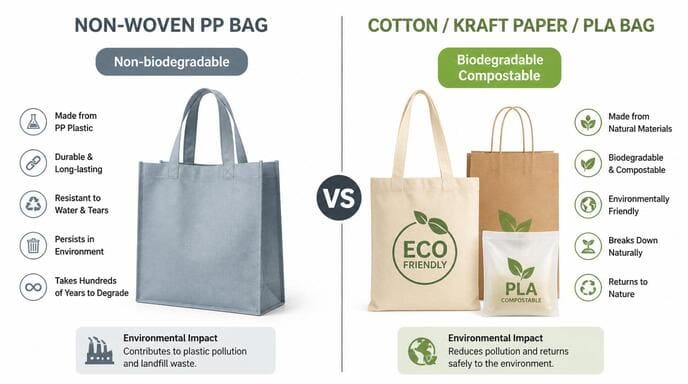
So, why the confusion? Because the term "eco bag" has become synonymous with environmental friendliness. However, standard non-woven bags made from polypropylene (PP) are not designed to biodegrade. The molecular chains within PP are very strong and stable, making them resistant to breakdown by microorganisms, water, or sunlight over typical timeframes. Unlike natural materials that have evolved pathways for decomposition, PP plastic does not have this natural cycle. This means if a PP non-woven bag ends up in a landfill or as litter, it will likely remain there for hundreds of years, contributing to plastic pollution. This persistence is a key reason why understanding their true end-of-life options, like recycling, is so important, rather than assuming they will simply disappear.
Why Non Woven Bags Are Called “Eco Bags”?
If they don't break down, why do we call them "eco bags" or "green bags"? This naming convention often leads to misunderstanding. The environmental benefit isn't in their disappearance, but in how we choose to use them.
Non-woven bags are called "eco bags" primarily because of their high reusability. They can be used dozens, even hundreds, of times, directly replacing a large volume of single-use plastic bags and reducing overall waste.
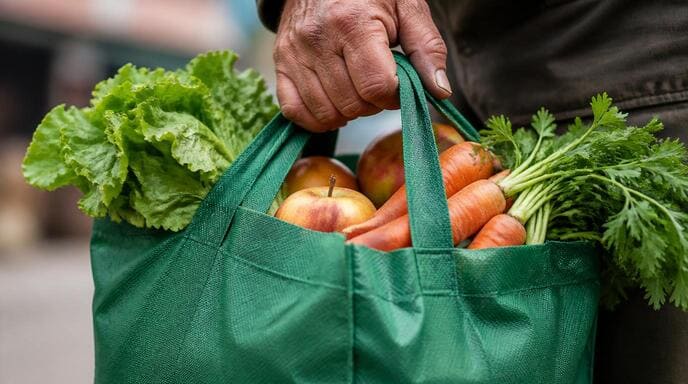
This is where I feel many people get caught up. They think "eco-friendly" automatically means "biodegradable." But with non-woven bags, the primary environmental win is their incredible reusability. A single PP non-woven bag can often last for 20, 50, or even over 100 uses. Think about it: if you use one reusable bag for every shopping trip, you're avoiding hundreds of flimsy plastic bags over the course of a year. This directly reduces the amount of plastic waste generated. Our company, for instance, produces millions of these bags, and the goal for our customers is that each bag gets used repeatedly. We actively promote this message, helping brands build a reputation for sustainability through practical means. The "eco" aspect comes from this cycle of reuse, leading to a significant reduction in single-use consumption, rather than from the bag itself decomposing back into nature.
Recycling and Environmental Impact
After a non-woven bag has served its many uses, what happens next? The idea of recycling seems like the natural, responsible choice. However, the path from a used bag to recycled material isn't always straightforward in practice.
While polypropylene (PP) is technically recyclable, its actual recycling rate depends heavily on local infrastructure. Many regions lack dedicated collection and processing systems for PP non-woven bags, meaning they often end up in landfills despite their recyclable potential.
The material itself, polypropylene, is a single type of plastic. This is good news for recyclers because single-resin plastics are generally easier to process than mixed materials. Theoretically, a used PP non-woven bag can be collected, cleaned, shredded, and melted down to create new products, from car parts to textiles. We invest heavily in ensuring our production processes are efficient and produce high-quality materials, which aids in recyclability. However, the "recyclable" label doesn't guarantee a bag will be recycled. The reality on the ground is that collection infrastructure varies widely. In many cities and countries, there aren't specialized bins or facilities for non-woven bags. This disconnect between theoretical recyclability and practical implementation means that many otherwise reusable bags still end up as waste if they aren't properly disposed of in a system that can handle them.
Are There Biodegradable Non Woven Bags?
We've established that standard PP non-woven bags aren't biodegradable. But does this mean all non-woven materials are destined to last forever? The world of materials is always evolving, and there are indeed alternatives being developed.
Yes, there are non-woven materials designed to be biodegradable or compostable, such as those made from PLA (derived from corn starch) or PBAT blends. These materials can break down under specific conditions, unlike standard PP non-woven bags.
This is an area where innovation is crucial. While our primary focus and expertise lie in durable, reusable PP non-woven bags, I'm aware of the growing interest in genuinely biodegradable options. One such material is PLA, or polylactic acid. It's derived from renewable resources like corn starch or sugarcane. Non-woven fabrics made from PLA can biodegrade, but typically require industrial composting facilities with specific temperature and humidity levels. Another category involves blends with materials like PBAT (polybutylene adipate terephthalate), which offer partial biodegradability. These specialized materials come with a higher cost and sometimes different performance characteristics compared to standard PP. It's vital for buyers to understand that not all non-woven materials are the same; the specific polymer used dictates its end-of-life properties.
Key Buyer Insight
Navigating the world of packaging materials can be complex, especially with terms like "eco-friendly" floating around. I've learned that the most important takeaway for any buyer is to focus on the core benefit, not just the name on the label.
The true environmental value of bags, especially non-woven ones, lies in their ability to replace single-use plastics through repeated use. Buyers should prioritize reusability and durability for their specific application, rather than assuming "eco" automatically means biodegradable.
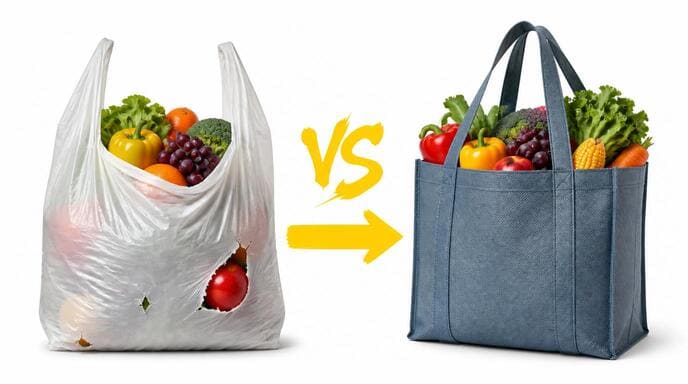
When I speak with procurement managers or brand representatives, I always try to guide them towards the most impactful choice for their specific needs. For most retail, grocery, and promotional uses, the goal is waste reduction. This is best achieved by a bag that is durable and that customers will reuse many times. A bag that is made from a truly biodegradable material but is flimsy and discarded after one use can actually be worse for the environment than a sturdy PP bag that gets used dozens of times. Our company's extensive experience, from supplying major brands like Walmart and Carrefour to local chains, shows that the focus should be on the product's lifespan and its potential to displace disposable alternatives. Understanding the material's properties – its strength, reusability, and true end-of-life options – is far more critical than relying on ambiguous terminology.
FAQ
Q1: Are non woven bags biodegradable?
No. Standard PP non woven bags are not biodegradable. They are designed for durability and reuse.
Q2: Why are non woven bags considered eco-friendly?
Because they are reusable and significantly reduce the consumption of single-use plastic bags, thereby lowering overall waste generation.
Q3: Can non woven bags decompose like paper?
No. Unlike paper, which is a natural fiber, non-woven bags are typically plastic-based (PP) and do not break down naturally in the environment.
Q4: What is biodegradable non woven fabric?
This usually refers to bags made from materials like PLA (polylactic acid) or PBAT blends, which are designed to degrade under specific composting conditions, unlike standard PP.
Q5: Are eco bags always biodegradable?
No. "Eco-friendly" refers to a product's reduced environmental impact, which can be achieved through reusability, reduced energy in production, or recyclability, not solely through biodegradability.
Conclusion
Standard PP non-woven bags are not biodegradable; their environmental value comes from being reused. Understanding material differences is key for smart purchasing decisions.