Skip to content
Newer manufacturing methods often promise big changes. But can heat-sealed non-woven bags truly replace traditional sewn ones? I often hear this question from my clients.
No, heat-sealed bags cannot fully replace sewn bags. While economical for light-duty, high-volume uses, sewn bags remain vital for heavy-duty, reusable applications needing superior strength and durability.
As a manufacturer, I understand the constant push for efficiency and cost savings. It is a balancing act. Let me explain how I see these two core technologies fitting into today's market.
Do Newer Manufacturing Technologies Always Replace Older Ones?
Are you wondering if new production methods always make old ones obsolete? Many buyers assume this happens, pushing for the latest technology. But this is not always the case in my industry.
From my experience, the non-woven bag industry shows that newer methods do not completely eliminate older ones. Instead, they create new opportunities. This is especially true for heat-sealed bags.
I have seen firsthand how ultrasonic heat-sealed bags have grown. They offer fast production and lower costs. At the same time, sewn non-woven bags are still common. They are used in retail, for packaging, and for heavy-duty needs. I believe this shows both methods have their place. Our team and I at Jiarong Packaging understand that the best choice depends on the specific job. We look at factors like load capacity, appearance, cost, and how the bag will be used. This helps us guide our clients to the right solution for their brand. We aim to match the right technology to each unique requirement.
What are the Main Differences in How These Bags Are Made?
Before deciding on one over the other, it is important to understand how these bags are actually made. How do heat-sealed and sewn bags differ in their production?
From my perspective, understanding the manufacturing process helps explain the final product's strengths. Each method has unique characteristics. I will explain these differences clearly.
Heat-Sealed Non-Woven Bags: The Modern Approach
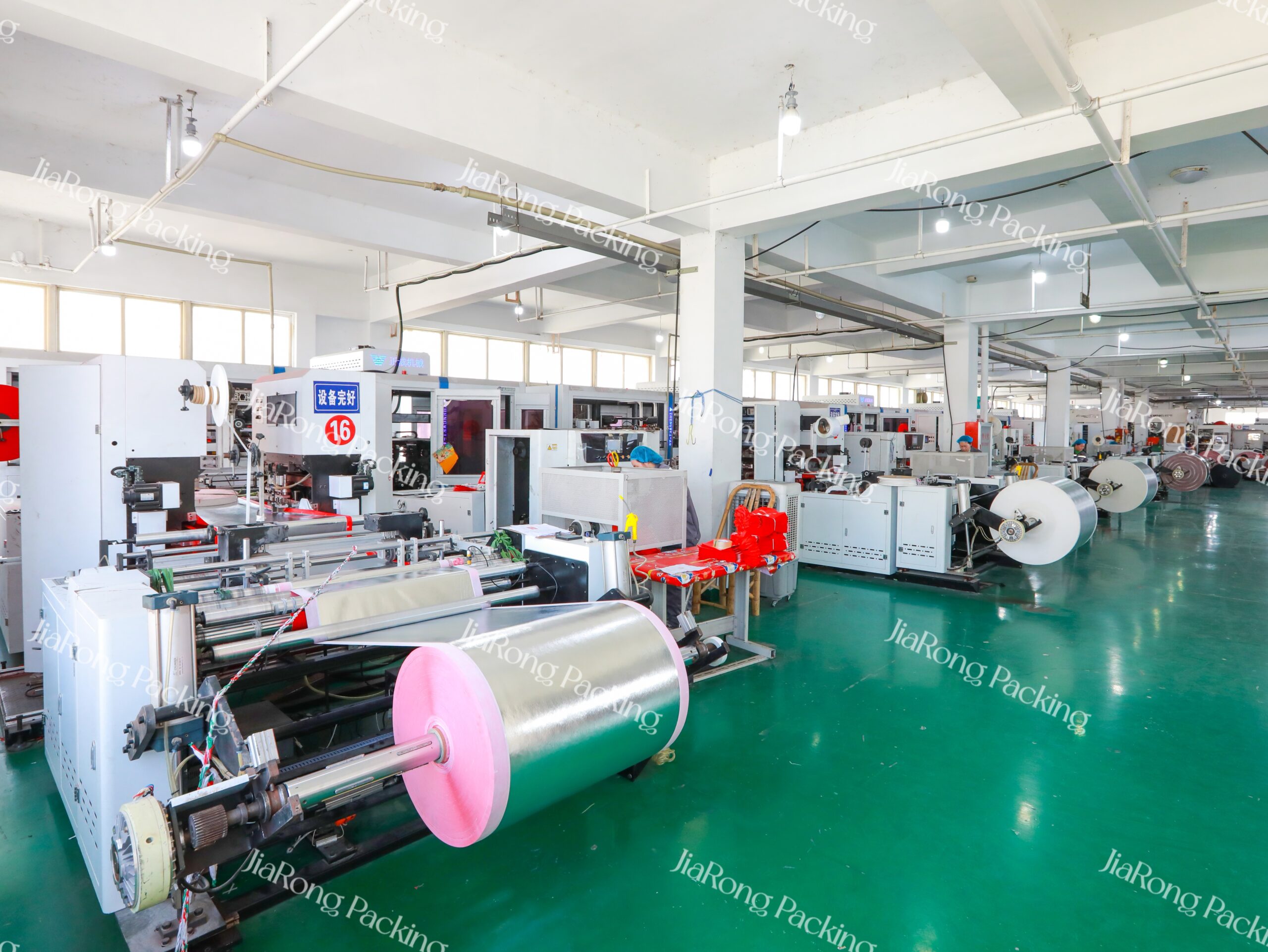
In Our factory, we produce heat-sealed bags using ultrasonic welding technology. This method uses high-frequency vibrations. It fuses layers of non-woven fabric together. No thread or adhesives are needed. This process results in several common characteristics. Production is fast and automated. The bag edges look clean. Manufacturing quality is very consistent. This method needs fewer workers. All these factors lead to lower production costs.
Sewn Non-Woven Bags: The Traditional Craft
On the other hand, sewn bags are made differently. We use industrial sewing machines. These machines join fabric panels. They also attach handles. This creates strong mechanical stitching. Because of this, sewn bags usually have a higher load-bearing capacity. They allow for better reinforcement options. They also offer greater structural flexibility. However, this method requires more skilled labor. This makes the labor costs higher. In Our workshops, we have over 100 sewing machines, including specialized ones like pattern-making machines and double-needle machines. This setup allows us to create intricate and strong designs. We can meet the demands of clients like Walmart and Fila who need high durability. The choice between these methods depends on the specific performance needs of the bag.
Why Have Heat-Sealed Bags Become So Popular So Quickly?
Have you noticed how common heat-sealed bags have become recently? Many clients ask me why this type of bag has gained so much traction. What makes them so popular?
I believe the growth of heat-sealed bags is mainly due to their manufacturing efficiency. They offer significant advantages. This makes them a top choice for many businesses.
Key Production Advantages I See
From my experience, several factors drive the popularity of heat-sealed bags.
| Factor | Heat-Sealed | Sewn | Our Observation |
|---|---|---|---|
| Production Speed | Very High | Moderate | Our 45 ultrasonic machines can produce 4 million bags daily. This speed is unmatched. |
| Labor Requirement | Low | High | Automated machines do most of the work. This cuts down on manual labor costs significantly. |
| Manufacturing Cost | Lower | Higher | Less labor and faster production mean more competitive pricing for our clients. |
| Output Consistency | High | Depends on Operators | Machines produce very uniform bags. This is great for brand consistency. |
| Scalability | Excellent | Limited by Labor | We can scale up quickly for huge orders. Our current capacity is massive, and we are expanding to 60,000 square meters. |
For large promotional campaigns, exhibitions, supermarkets, and retail packaging, heat-sealed bags are often the most economical solution. I see them dominating many high-volume orders worldwide. They are ideal when clients need millions of bags quickly and cost-effectively. This allows brands like Mixue Ice Cream & Tea to distribute promotional bags widely without breaking their budget. It is a pragmatic choice for meeting broad market needs.
In Which Situations Do Heat-Sealed Bags Really Excel?
When you consider different bag types, it is important to know where each one truly shines. So, in which situations do heat-sealed bags truly perform well?
From my professional view, heat sealing is highly effective when a bag's main job is carrying items that are light to medium-weight. This is where it really excels.
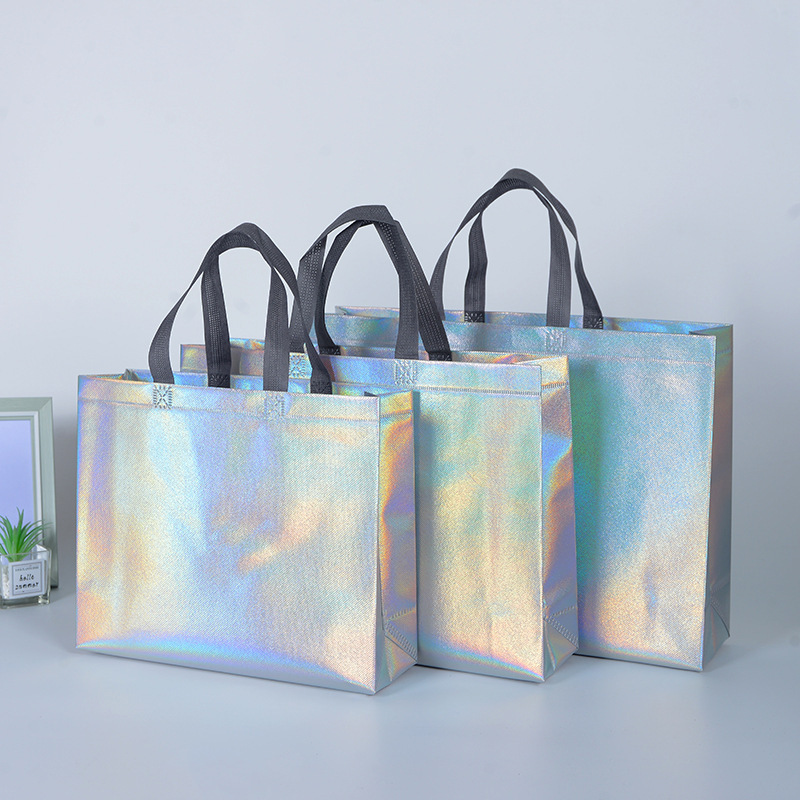
I have seen heat-sealed bags become the go-to for many applications. They are perfect for needs where performance requirements are usually within the limits of ultrasonic sealing technology. This includes trade show giveaway bags. They are also great for general promotional shopping bags. Many retail businesses use them for packaging. Grocery stores often choose them for their customers. Event bags and brand advertising bags are other common uses.
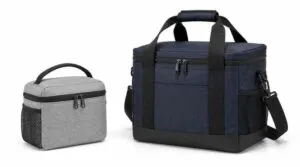
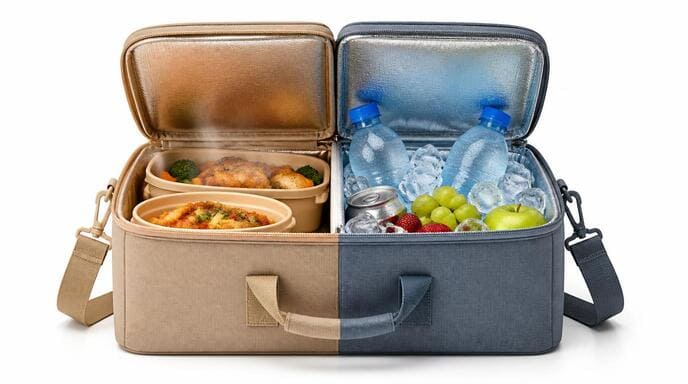
For example, when customers order customized insulated bags for promotional campaigns, they often require thousands or even tens of thousands of units. These bags are typically used to carry lightweight products, so extreme load-bearing strength is not a primary requirement. Instead, customers usually prioritize appearance, production efficiency, and cost control.
Heat-sealed insulated bags are often an ideal solution in these situations. They provide a clean and consistent appearance that supports the customer's branding objectives while keeping production costs competitive. Fast manufacturing speeds also help meet tight delivery schedules for large-scale promotional activities. For this type of application, many buyers see little value in paying additional costs for sewn construction. The ultrasonic welding process delivers a neat finish and reliable performance for the intended use, making heat-sealed bags a practical and cost-effective choice for large-volume distribution projects.
What Are the Main Weaknesses of Heat-Sealed Bags?
Every technology has its strong points and its weak points. When I look at heat-sealed construction, what are its main limitations? What should buyers be aware of?
From my perspective, despite their advantages, heat-sealed bags are not suitable for every purpose. There are clear limitations that buyers must understand.
Where Stress Points Emerge
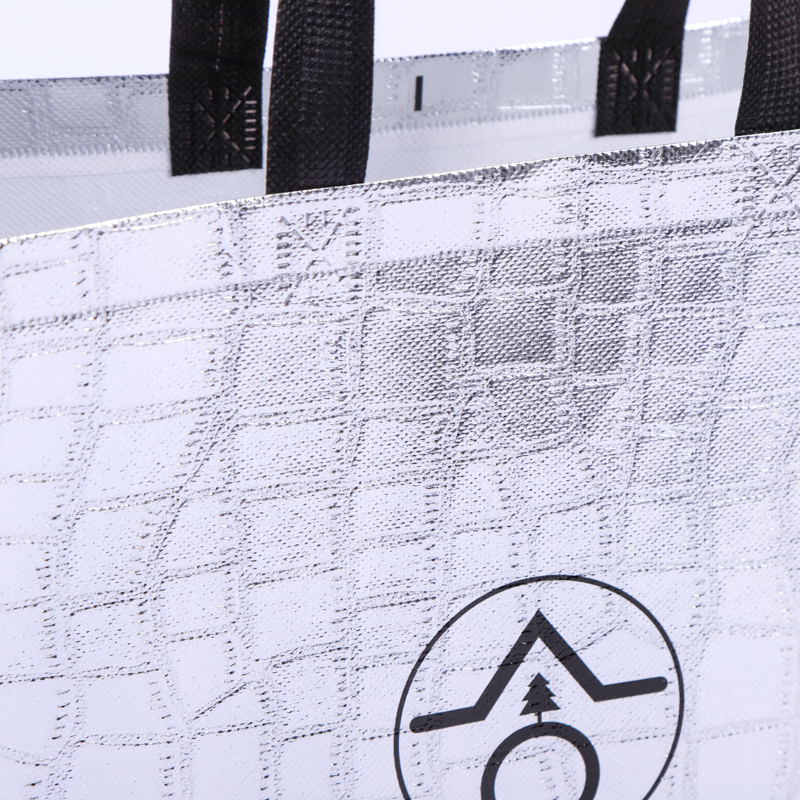
I have observed that most failures in heat-sealed bags happen around specific areas. The handle attachment areas are a common point of weakness. Also, side welds can fail under extreme load. Repeated, long-term use can also cause weakening. Unlike sewn stitching, ultrasonic welding creates a fused bond. It does not create a mechanical interlocking structure. This means the material itself is changed. Under heavy pulling from the side or through many cycles of stress, these welded joints can weaken.
Restricted Reinforcement Options
Reinforcement techniques exist for heat-sealed bags. However, sewing generally offers more flexibility. With sewing, we can do cross-stitching. We can also use box-X reinforcement. Multiple rows of stitches are possible. Attaching webbing handles is also much easier. These methods greatly increase durability. They are difficult or even impossible to achieve with heat sealing alone. For instance, if a client needs a bag to carry heavy books regularly, I would advise against a heat-sealed option. The lack of robust reinforcement means it would likely not last long. Our goal is to ensure clients get the right bag for their intended use. This prevents disappointment and ensures product integrity.
Why Do Sewn Bags Still Have a Strong Presence?
If heat sealing is cheaper and faster to produce, then why are sewn bags still widely made? Many of my clients wonder about this. What makes sewn bags continue to exist in the market?
The answer is simple from my viewpoint: some applications demand higher structural strength. When durability is key, sewing remains the preferred choice.
Essential Applications for Sewn Bags
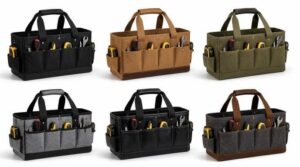
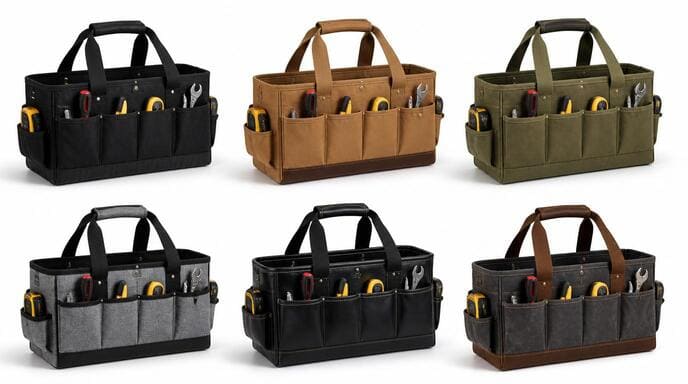
I have found that for certain jobs, only a sewn bag will do. These include heavy grocery bags. Reusable shopping bags also often need to be sewn. Tool bags, which carry sharp or heavy items, rely on stitching. Packaging for heavier products needs the strength of sewing. Long-term promotional bags, meant to be kept and used repeatedly, benefit from sewn construction. Premium retail bags, for brands like Fila, also require the quality and strength of a sewn finish.
When durability is the primary requirement, sewn construction is often the preferred choice. Many buyers are willing to accept higher production costs in exchange for a product that delivers greater strength and a longer service life. This is particularly important for reusable shopping bags, grocery bags, and other applications where bags are expected to carry heavier loads repeatedly.
Sewn bags offer structural advantages that heat-sealed construction cannot easily achieve. Features such as reinforced handles, cross-stitch reinforcement, edge binding, and multiple rows of stitching can significantly improve load-bearing performance and overall durability. These enhancements help reduce the risk of handle failure and seam separation during long-term use.
For businesses that prioritize product lifespan, customer experience, and brand perception, the additional investment in sewing is often justified. A well-constructed sewn bag is more likely to maintain its shape, strength, and appearance after repeated use, making it a reliable solution for demanding applications. For this reason, sewn non-woven bags continue to play an important role in the packaging and reusable bag industry despite their higher production costs.
Can Heat-Sealed Bags Replace Sewn Bags in Certain Markets?
When considering market dynamics, it is natural to ask if heat-sealed bags can replace sewn bags in some specific areas. Is this a realistic possibility in today's industry?
From my experience, the answer is yes. In many high-volume packaging applications, heat-sealed bags have already taken over from sewn bags.
Markets Where Heat-Sealed Excels
I have observed this shift in several key areas. For promotional campaigns, heat-sealed bags are now the standard. They are also dominant for exhibition giveaways. Short-term retail packaging and mass-distribution shopping bags are other prime examples. In these projects, cost efficiency often matters more than needing maximum durability. The main goal is to get many bags out quickly and affordably.
For instance, when a brand launches a new product and needs millions of giveaway bags, the speed and low cost of heat-sealed production are unbeatable. Our automated ultrasonic machines can produce huge quantities quickly. This makes them ideal for brands focusing on wide reach and budget control. The consistency of the finished product is also a major benefit. It ensures every bag looks professional, reinforcing the brand's image effectively. As a result, heat-sealed bags have become the main choice in these sectors. They deliver exactly what these markets need: volume, speed, and cost-effectiveness without compromising on basic functionality for lightweight items.
Can Heat-Sealed Bags Ever Completely Replace Sewn Bags?
After looking at the strengths of both methods, a big question remains: can heat-sealed bags completely replace sewn bags? Will there ever be a time when sewn bags are no longer needed?
From my viewpoint, the answer is no. Several factors prevent a full replacement. Each type of bag serves different, essential purposes.
Different Performance Needs
Not all buyers prioritize only cost. Some clients have other needs that are more important. These include load capacity, which dictates how much a bag can carry. Durability is also key for long-term use. Reusability is important for environmentally conscious brands. Finally, some brands focus on a premium quality perception, which often comes from sewn construction. Heat-sealed bags simply cannot meet the highest standards for all these requirements.
Different Product Positioning
I have noticed that heat-sealed bags are often positioned as economical, high-volume, and promotional items. They are perfect for short-term campaigns. Sewn bags, however, are usually positioned as durable, reusable, and premium products. These markets overlap in some ways, but they are not identical. The underlying value proposition for each type is distinct.
Different Engineering Strengths
Each construction method has unique benefits. Neither technology is universally better than the other. Instead, they solve different manufacturing challenges. Heat sealing is about efficiency and scale for lighter loads. Sewing is about strength, longevity, and detailed craftsmanship for heavier or more demanding uses. From my over 11 years of experience in OEM/ODM customization, I have seen that both methods are critical. We offer both because our clients have diverse needs. It is about matching the engineering strength to the product's ultimate purpose and the brand's vision.
The Future: Will Bags Compete or Coexist in the Market?
When I look ahead, a common question arises: will heat-sealed and sewn bags compete until one wins? Or will they simply exist side-by-side? What does the future hold for these two types of bags?
Industry trends suggest coexistence rather than one method replacing the other. Each bag type serves distinct needs in the market.
I believe heat-sealed bags will continue to be the dominant choice for projects that are cost-sensitive and involve large volumes. For example, for major promotional giveaways or daily supermarket use, their efficiency is unmatched. On the other hand, sewn bags will continue to be essential for applications needing higher strength, a longer lifespan, and a premium construction. Think of reusable shopping bags designed for years of use or specialized bags for heavier items.
Our company, Jiarong Packaging, offers both options to our clients. This allows buyers to select the best solution based on their budget and performance needs. We understand that a brand selling luxury goods will have very different bag requirements from a fast-food chain needing takeout bags. The future, in my view, is not about one winner. Instead, heat-sealed and sewn non-woven bags will continue to complement each other. They will serve different market segments effectively, ensuring that every customer finds the perfect packaging solution for their specific goals. We focus on providing versatile options to meet these varied demands.
Conclusion
Heat-sealed non-woven bags have changed our industry by cutting costs and boosting efficiency. But, they cannot fully replace sewn bags. Sewn bags still offer superior strength and durability for certain jobs.
Ultimately, the best bag depends on its intended use, not the technology. Heat-sealed bags are great for promos and high volume. Sewn bags are better for heavy-duty or premium needs.